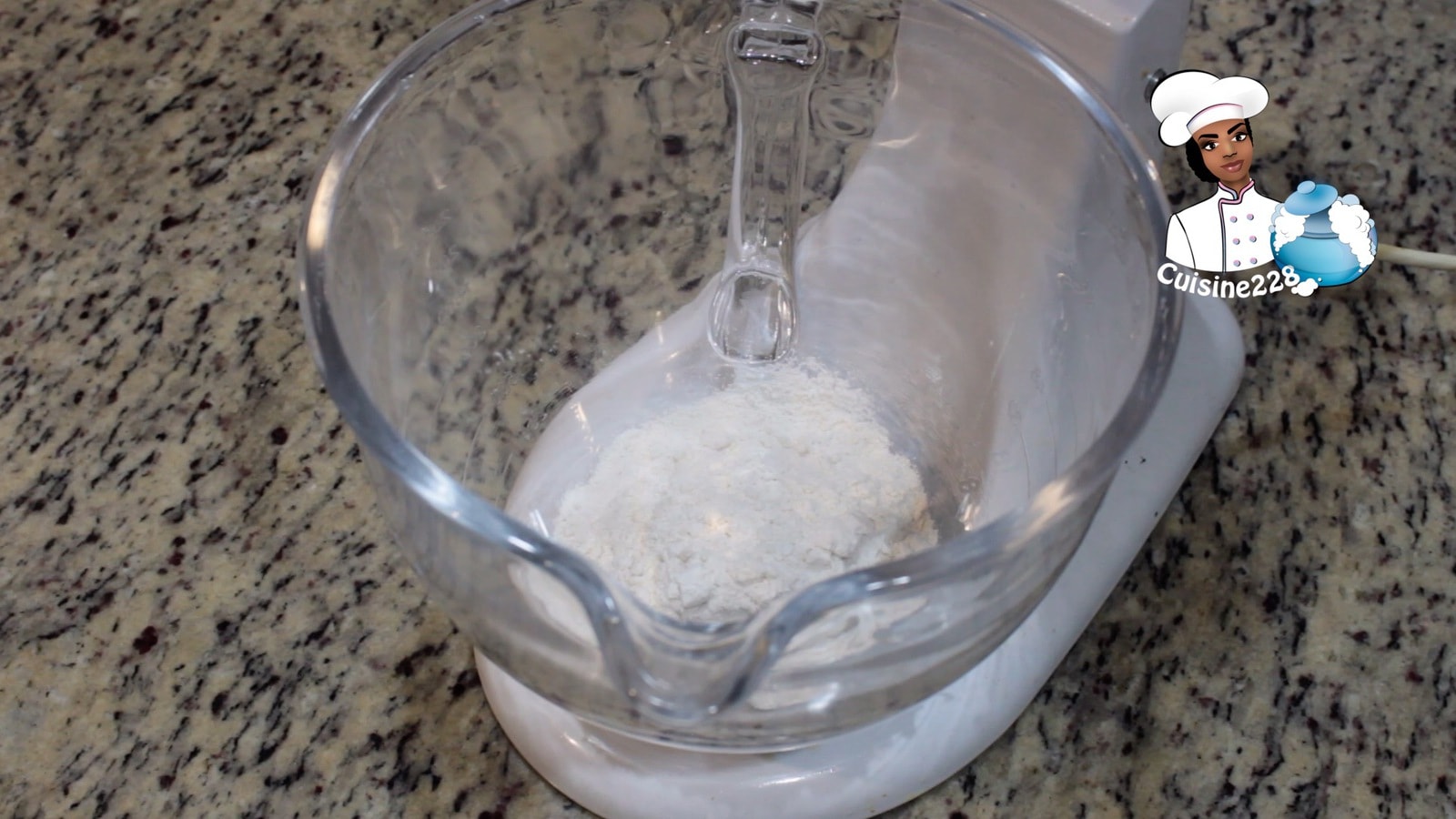
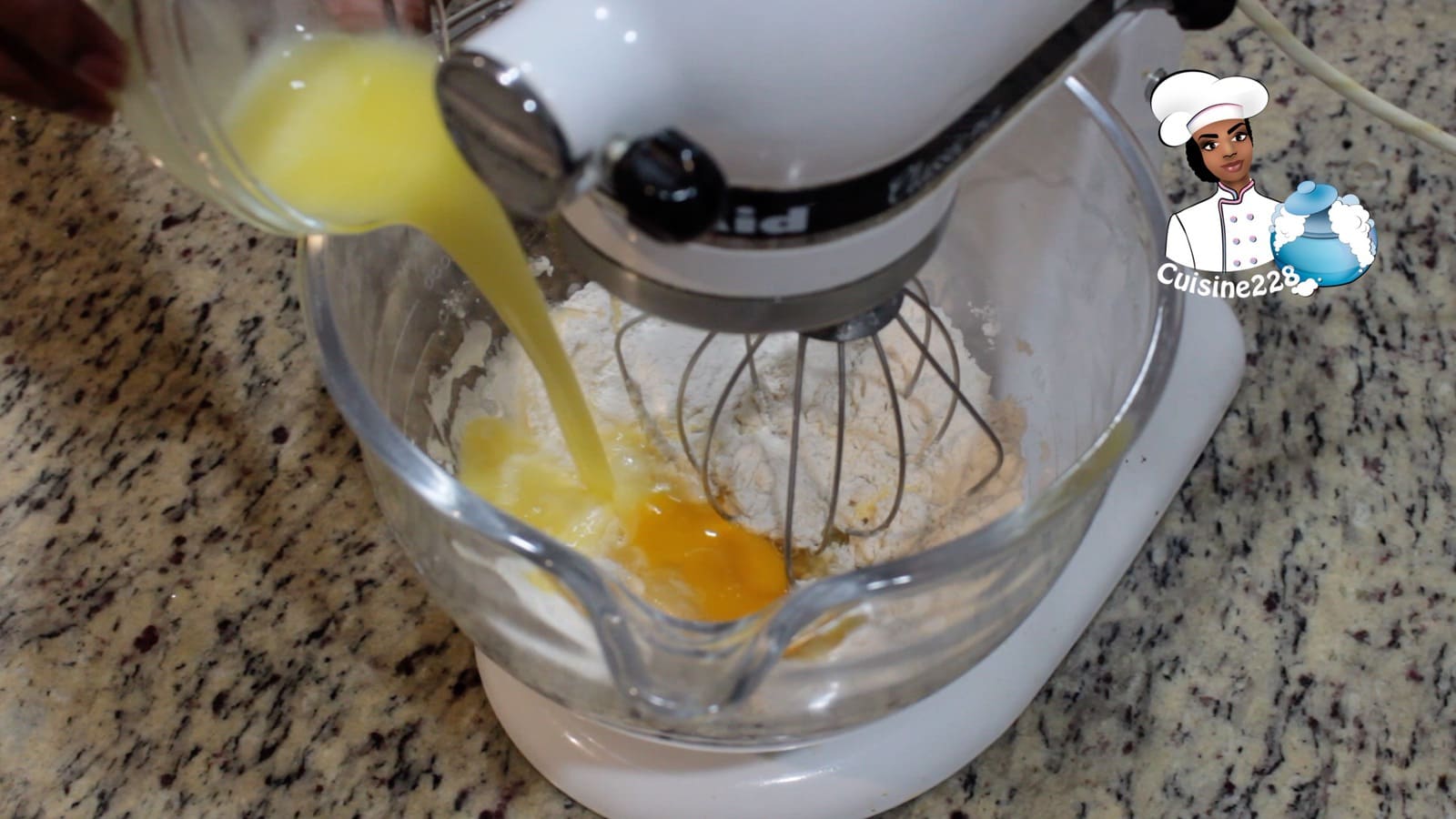
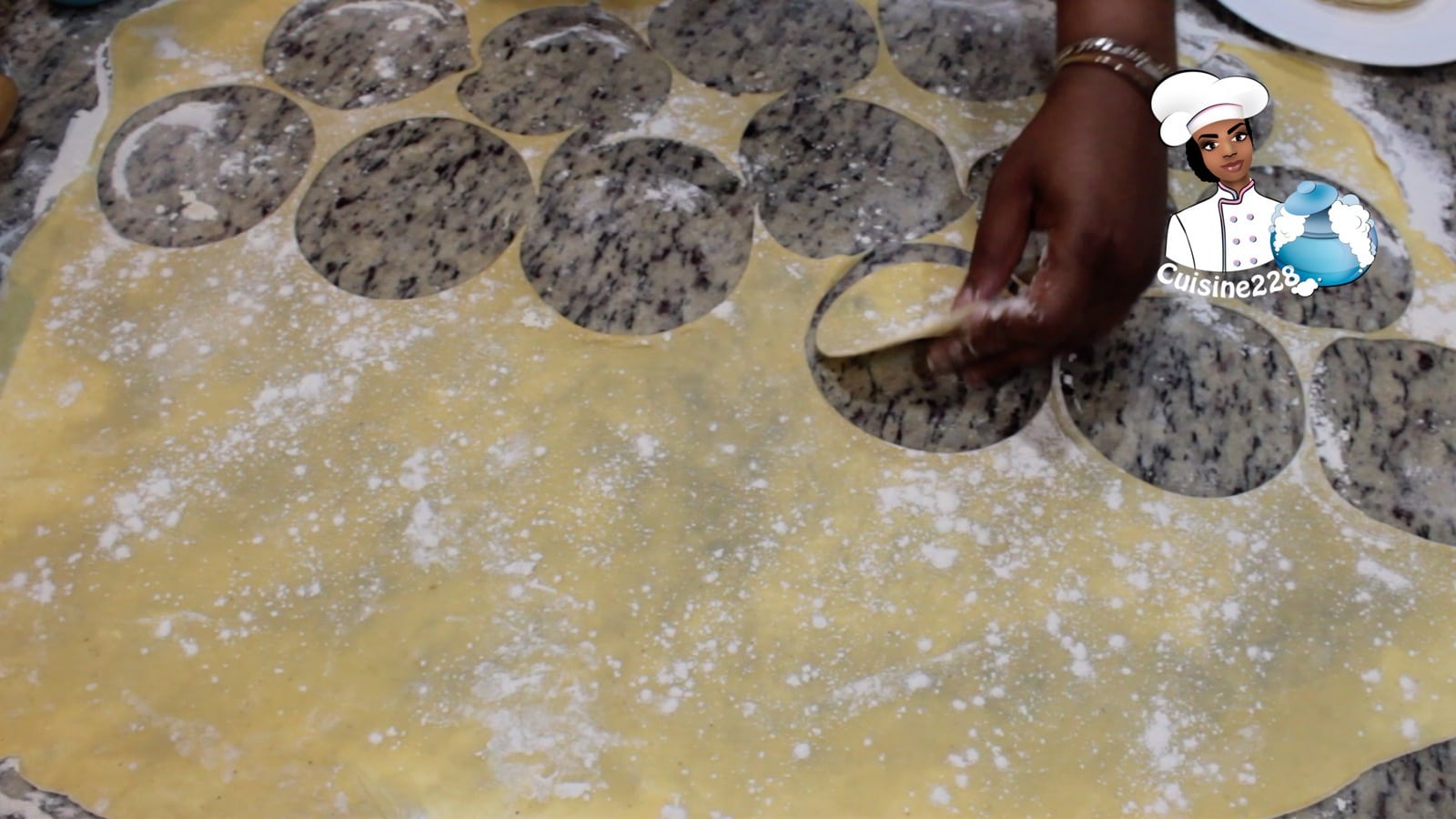
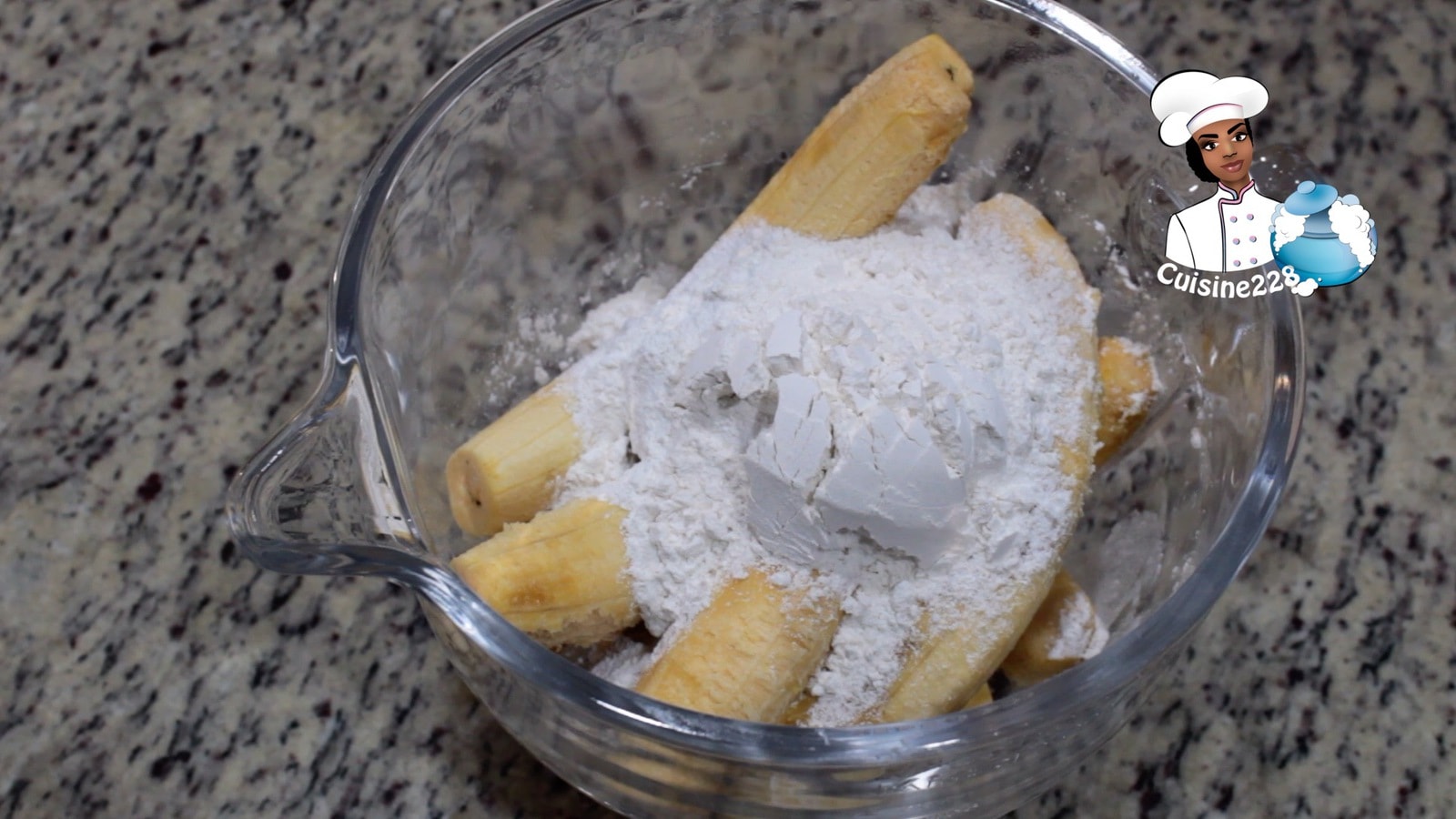
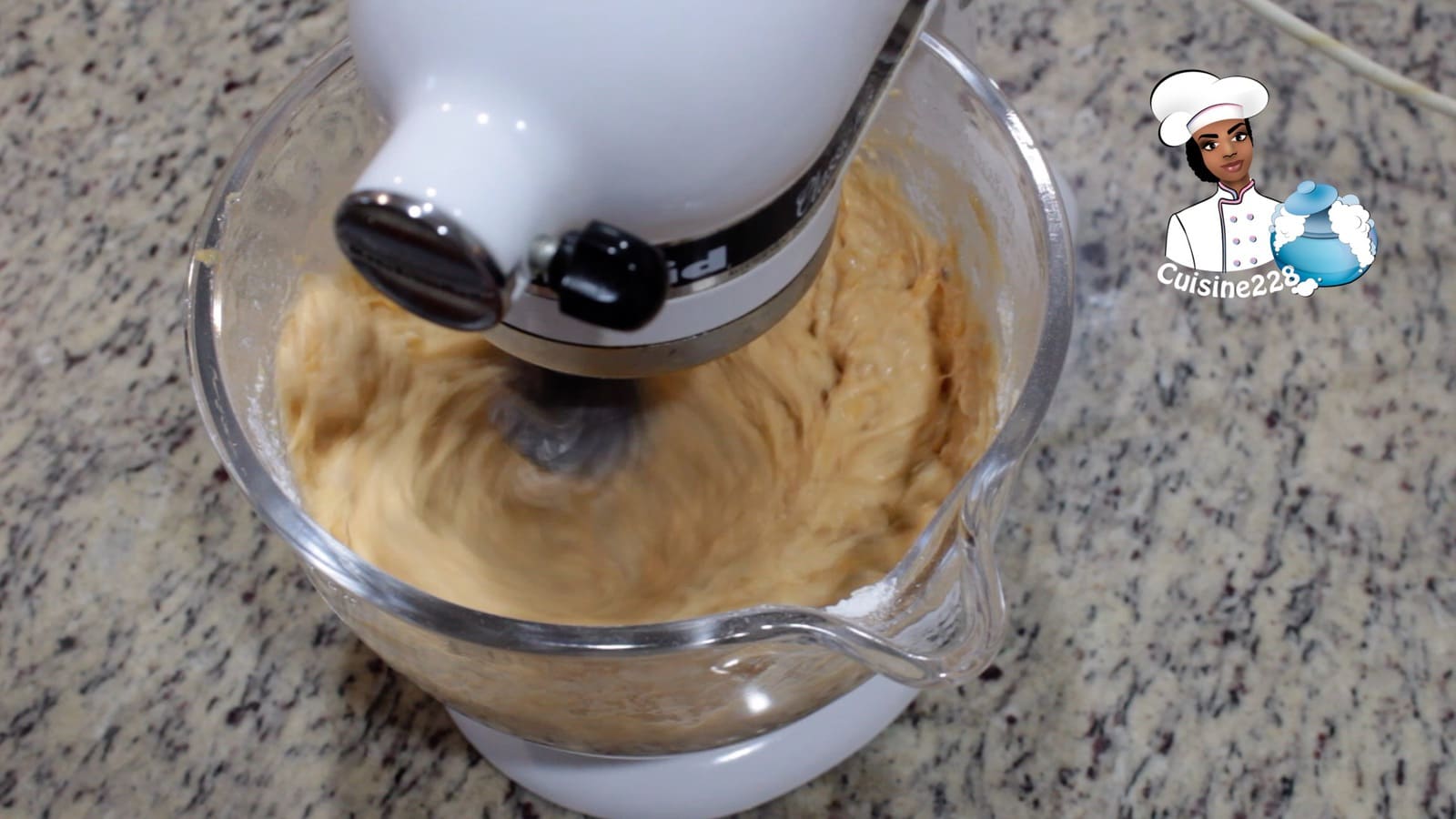
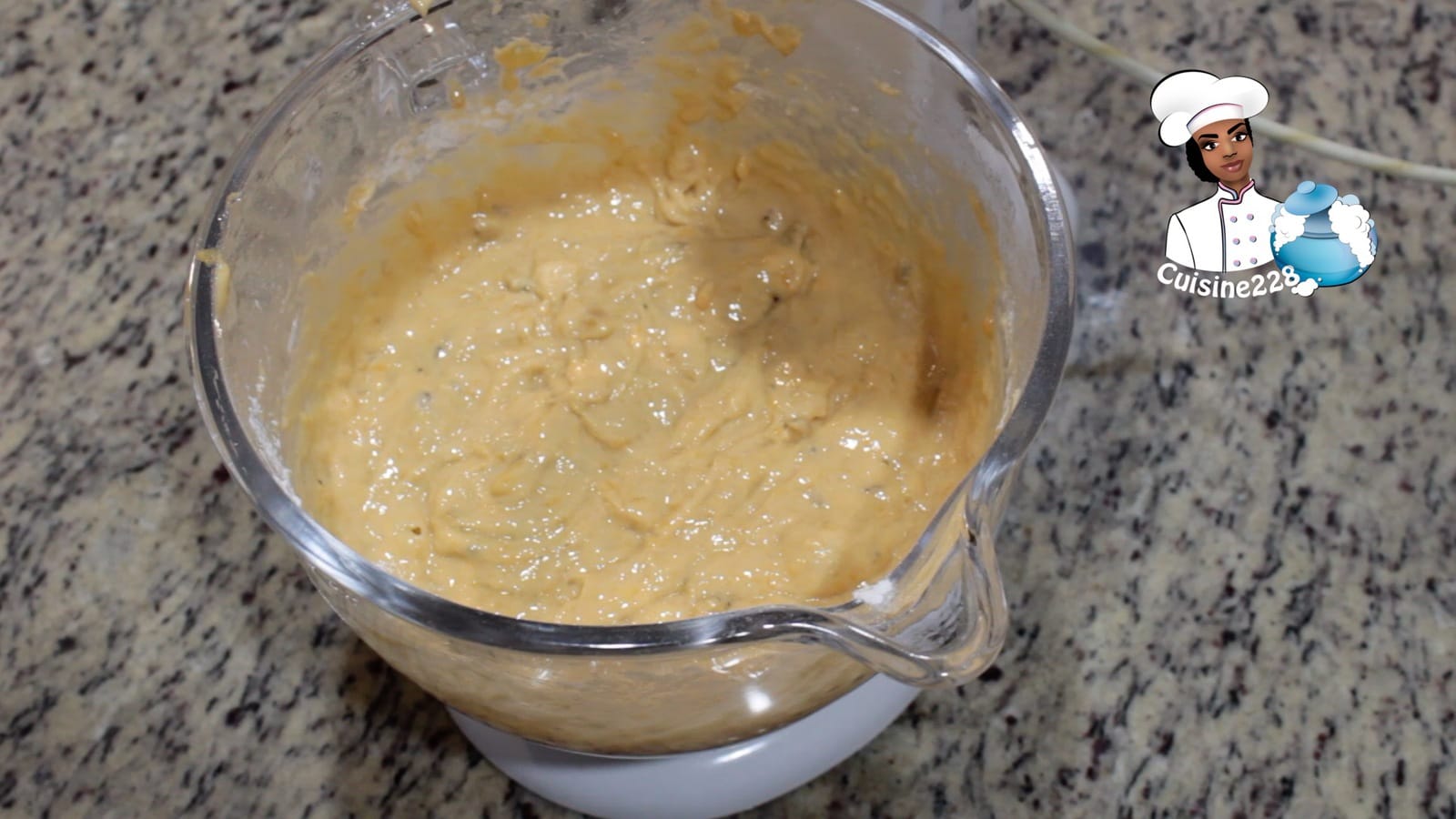
Make a fountain with flour and yeast. Pour in the center the powdered sugar, the eggs, the nutmeg and the melted butter. Knead by hand to obtain a homogeneous paste.
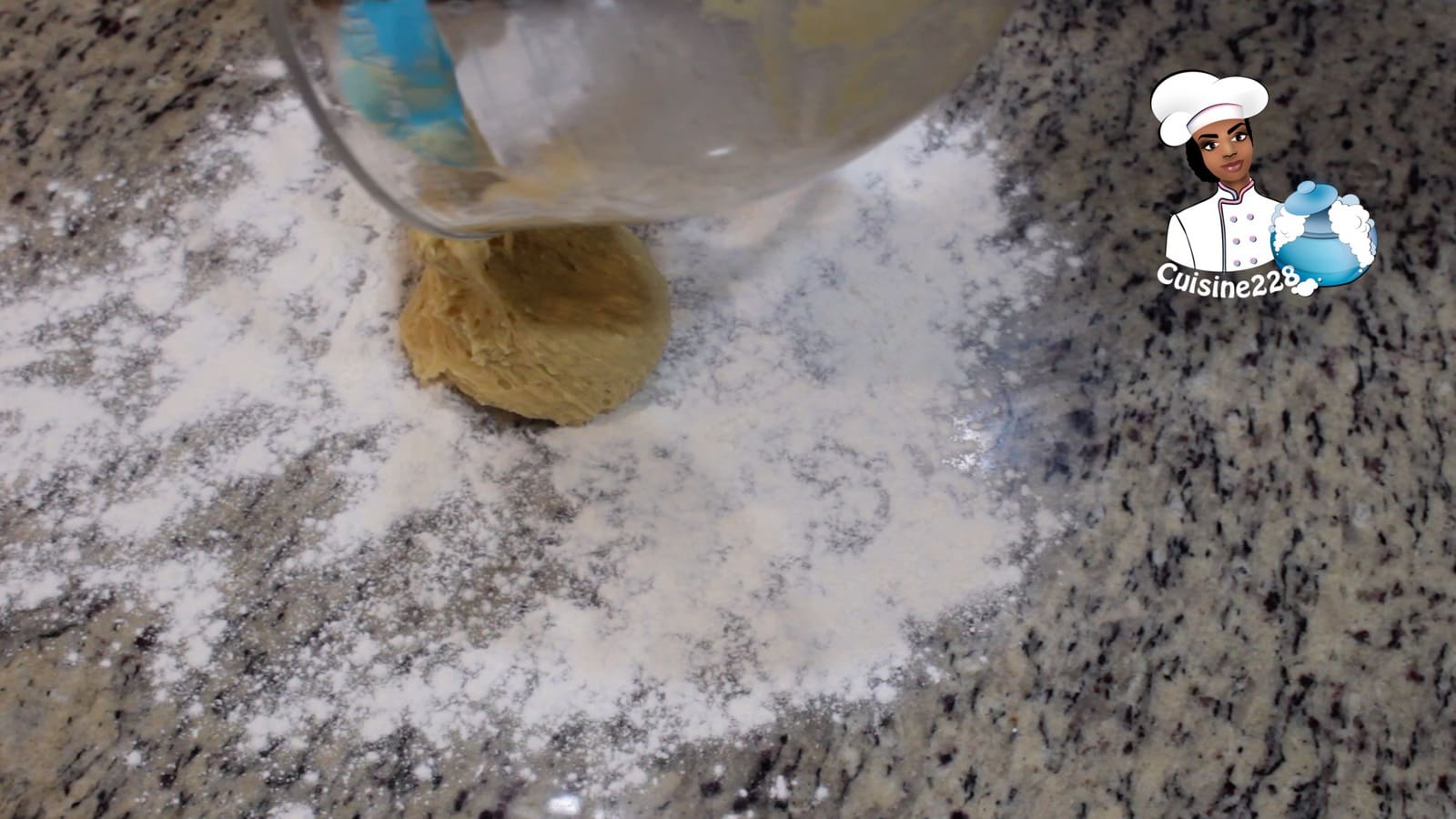
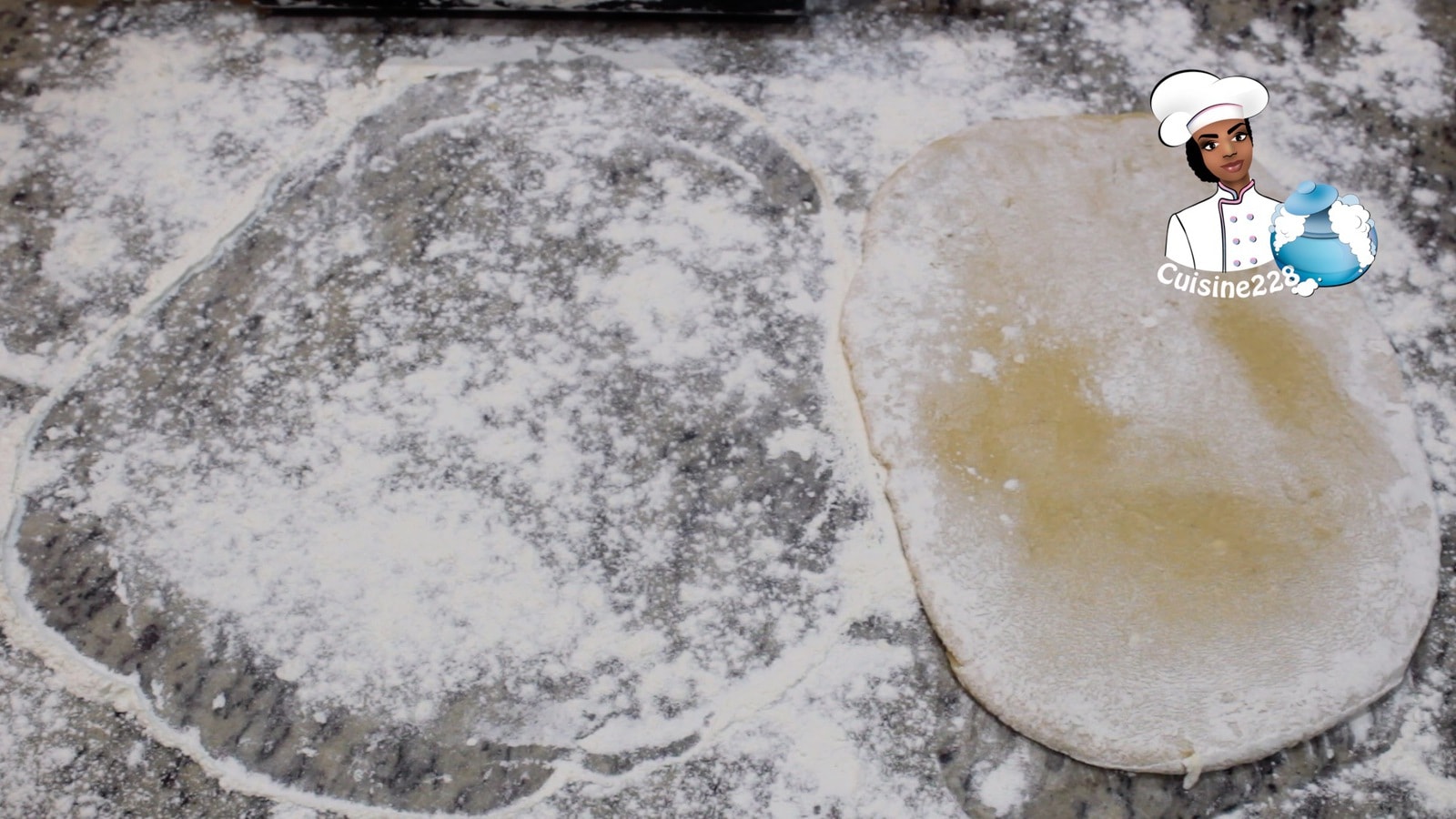
Form a ball with the dough and Spread each slice finely on a floured work surface and cut.
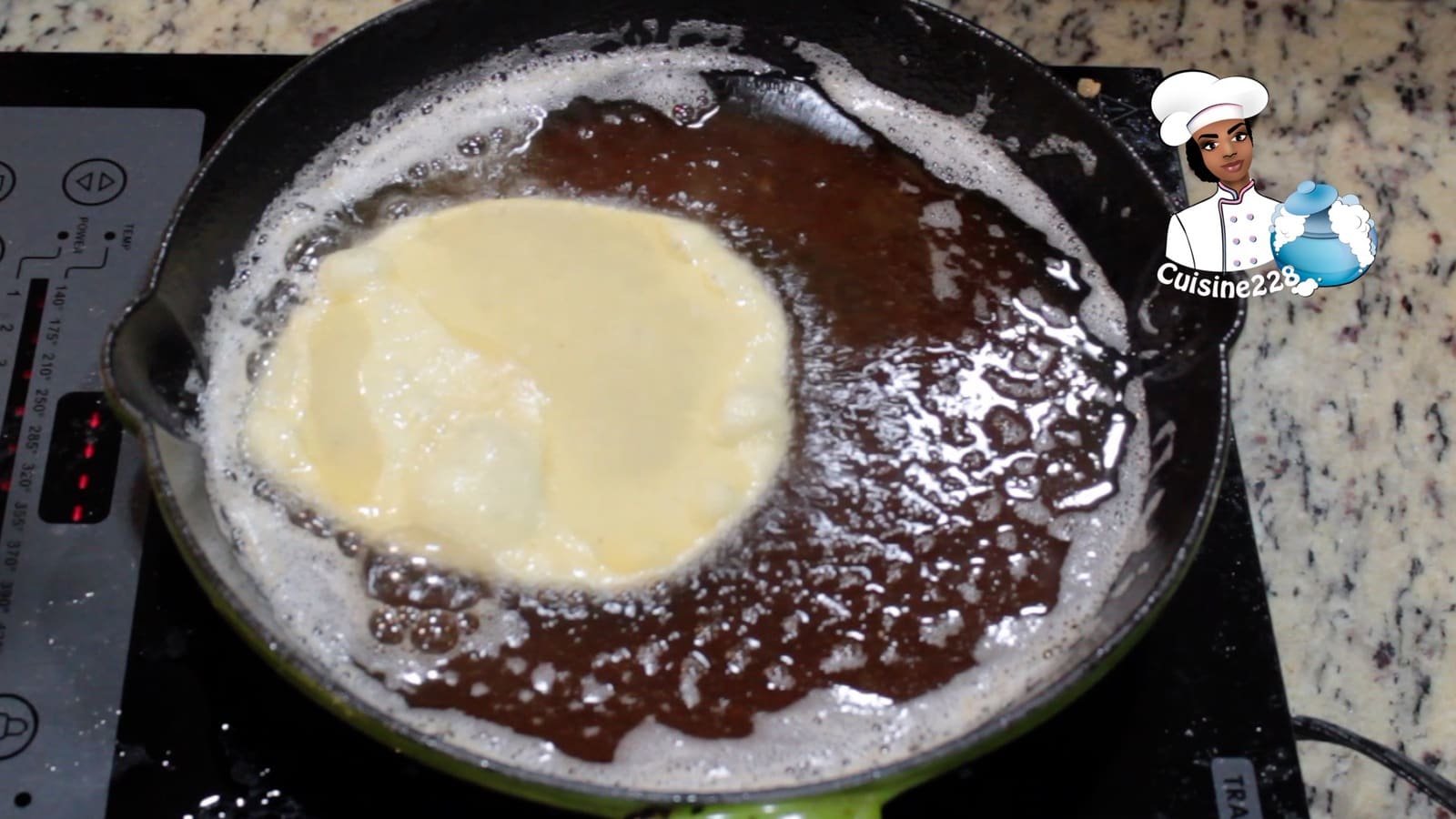
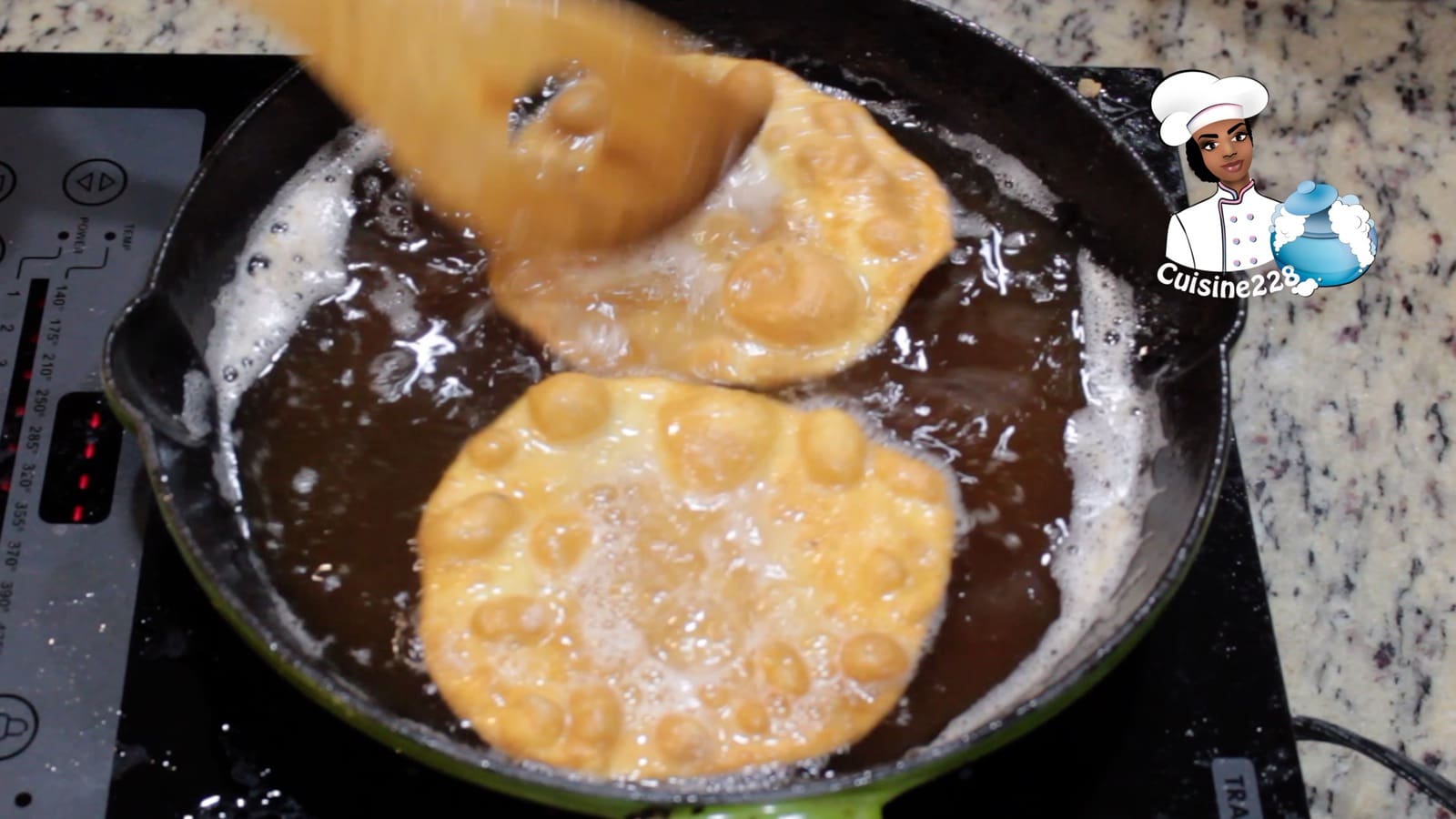
Heat the oil in a large pan and put the pieces of batter. Drain the ear cups on paper towels, place them on a dish, sprinkle with icing sugar and serve.
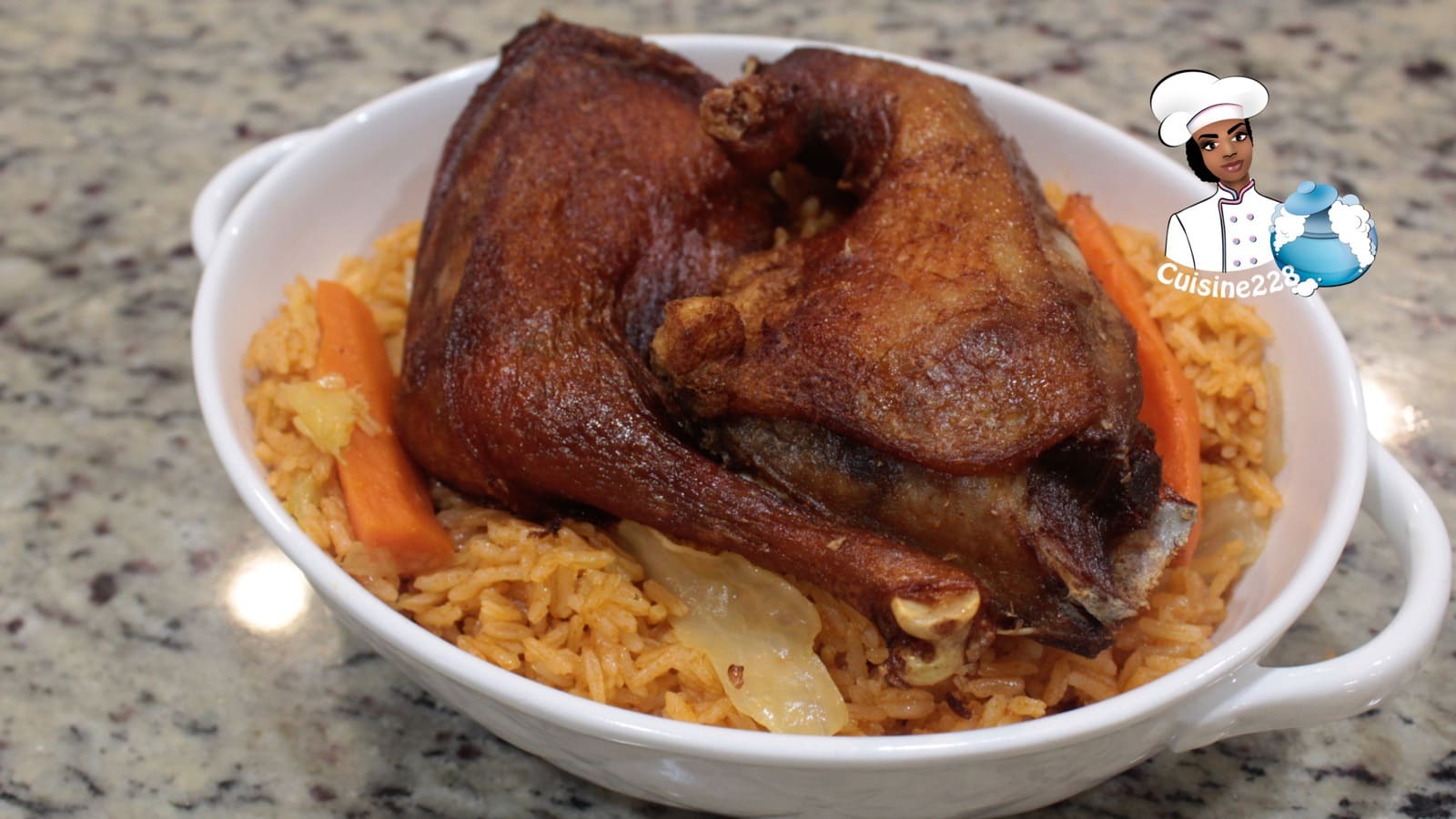
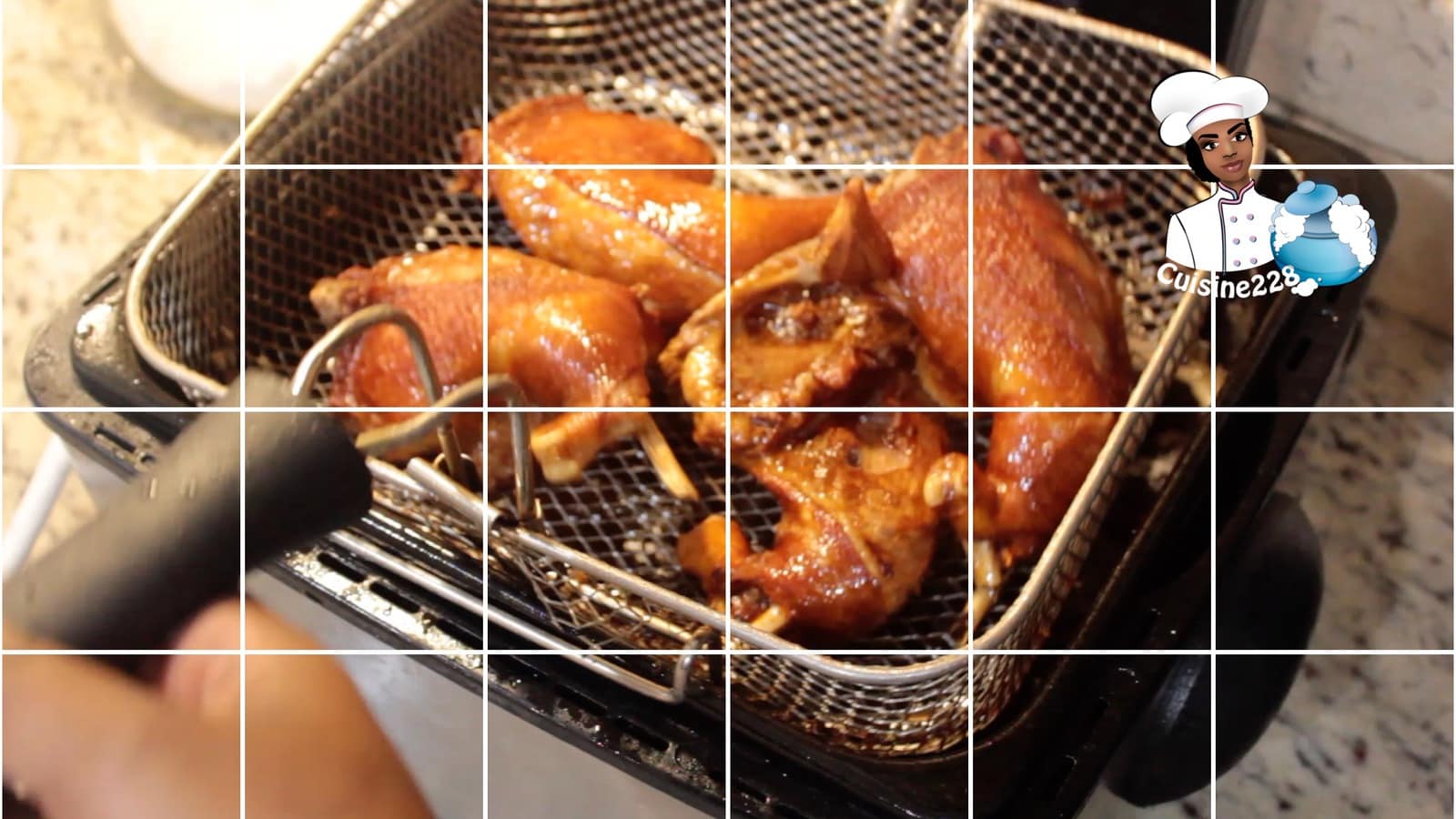
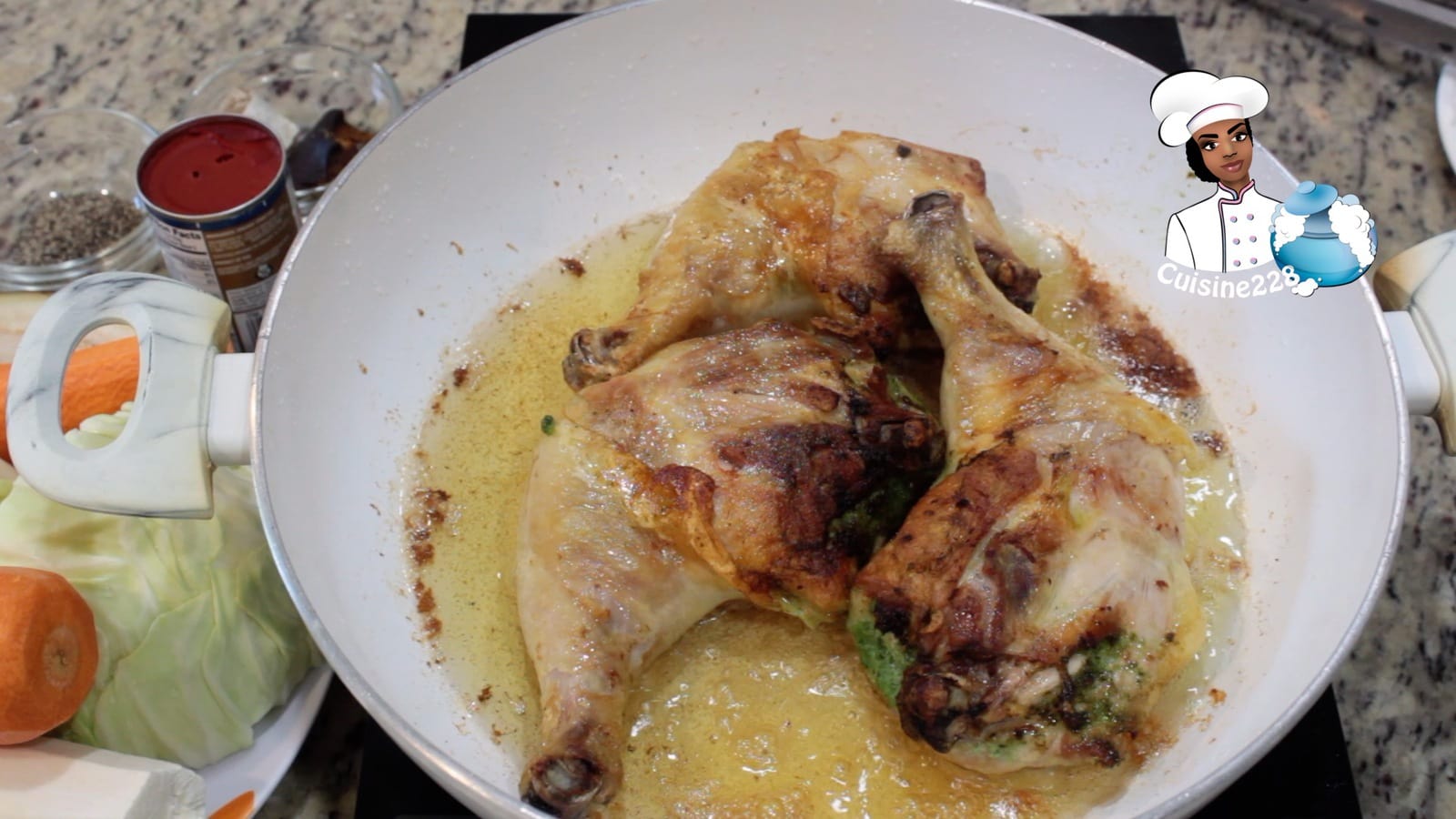
Season the chicken with half of the blended spices, add the cube and salt to taste. Add 1/2 sliced onion. Add water and cook until tender. Fry the chicken
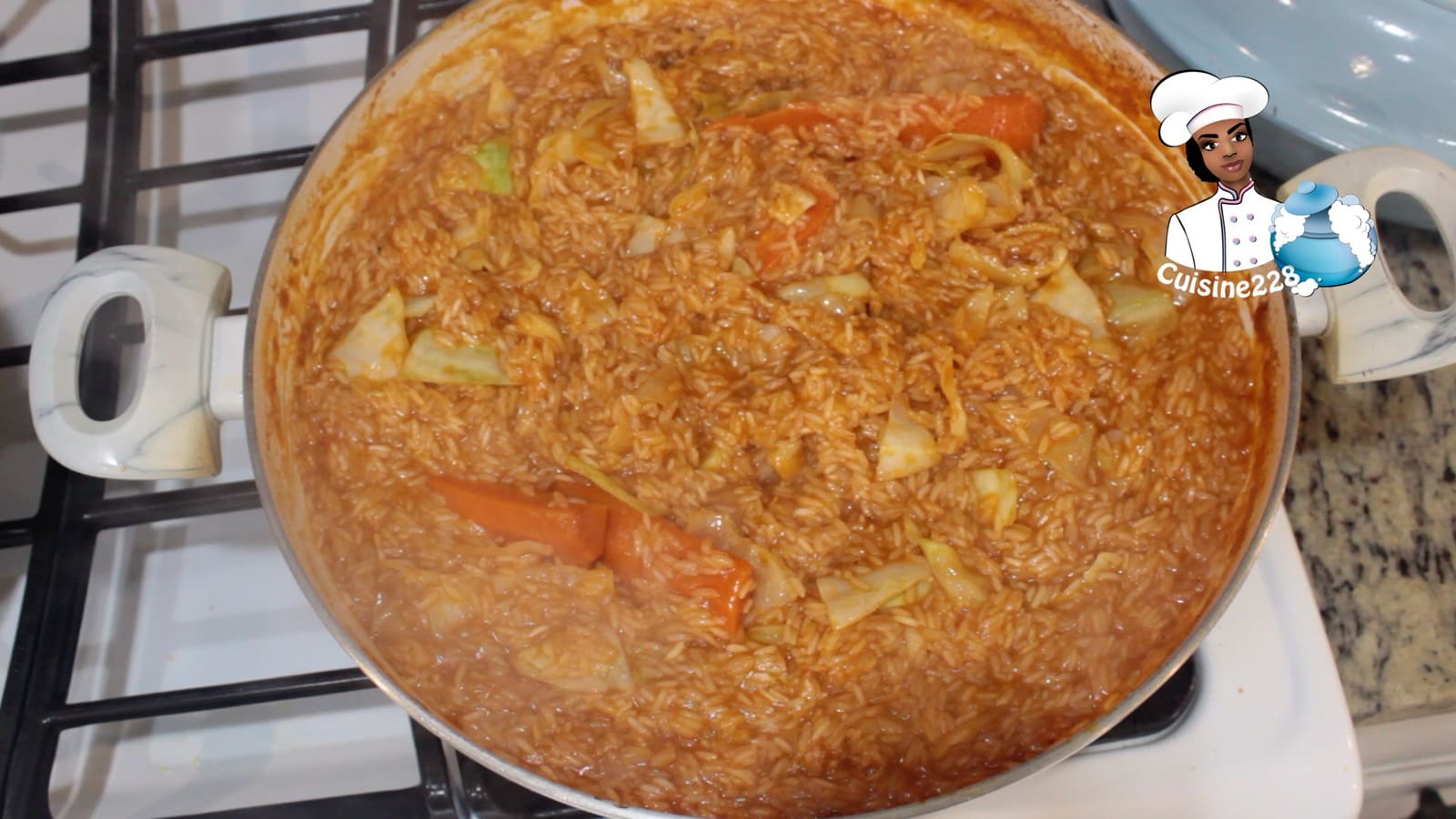
Add the tomato puree, the tomato paste, ½ onion puree, the cube, the remaining blended spices, the cayenne, the carrots sliced in half and the cabbage slice, a pinch of baking soda and salt to taste.
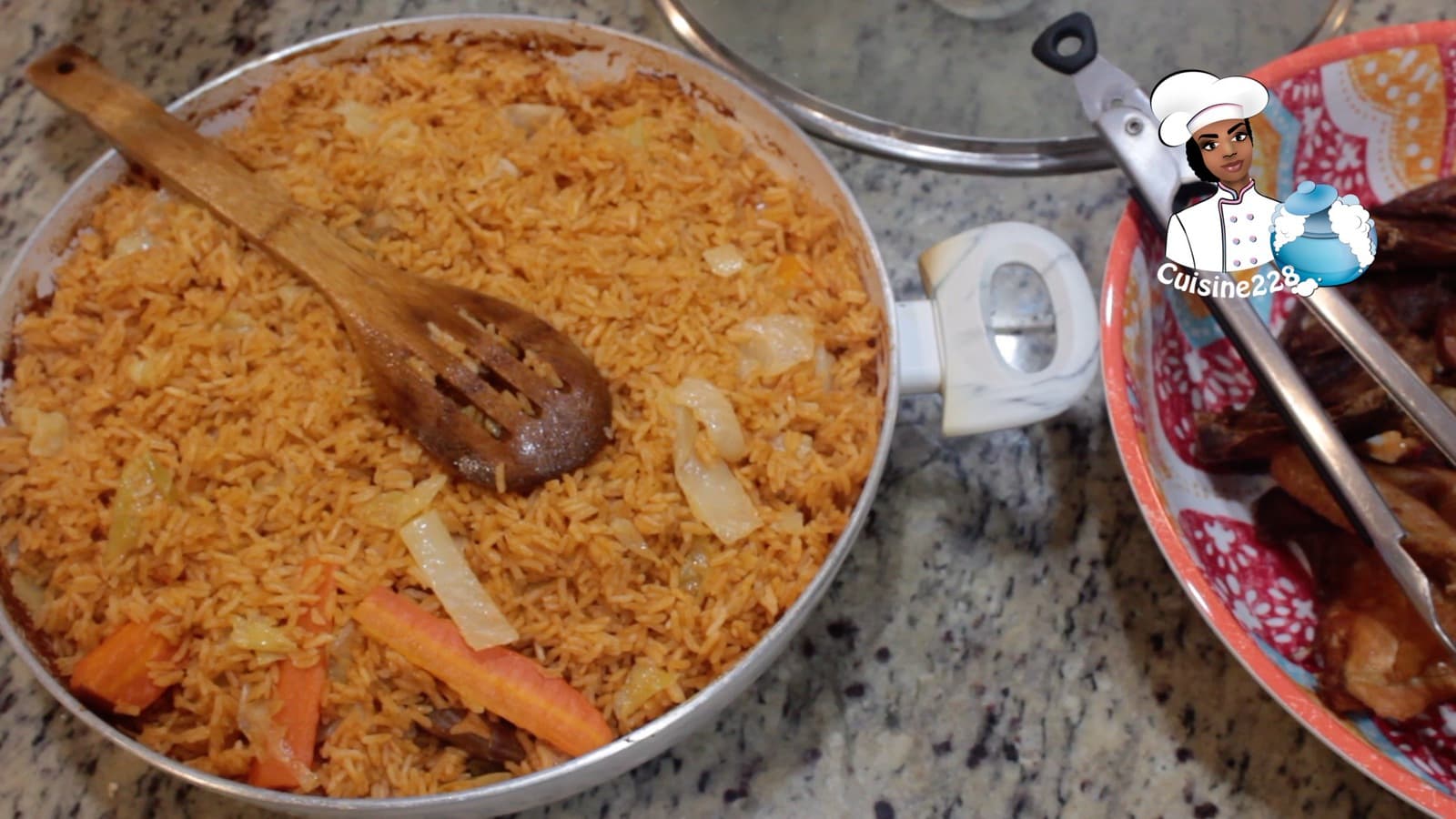
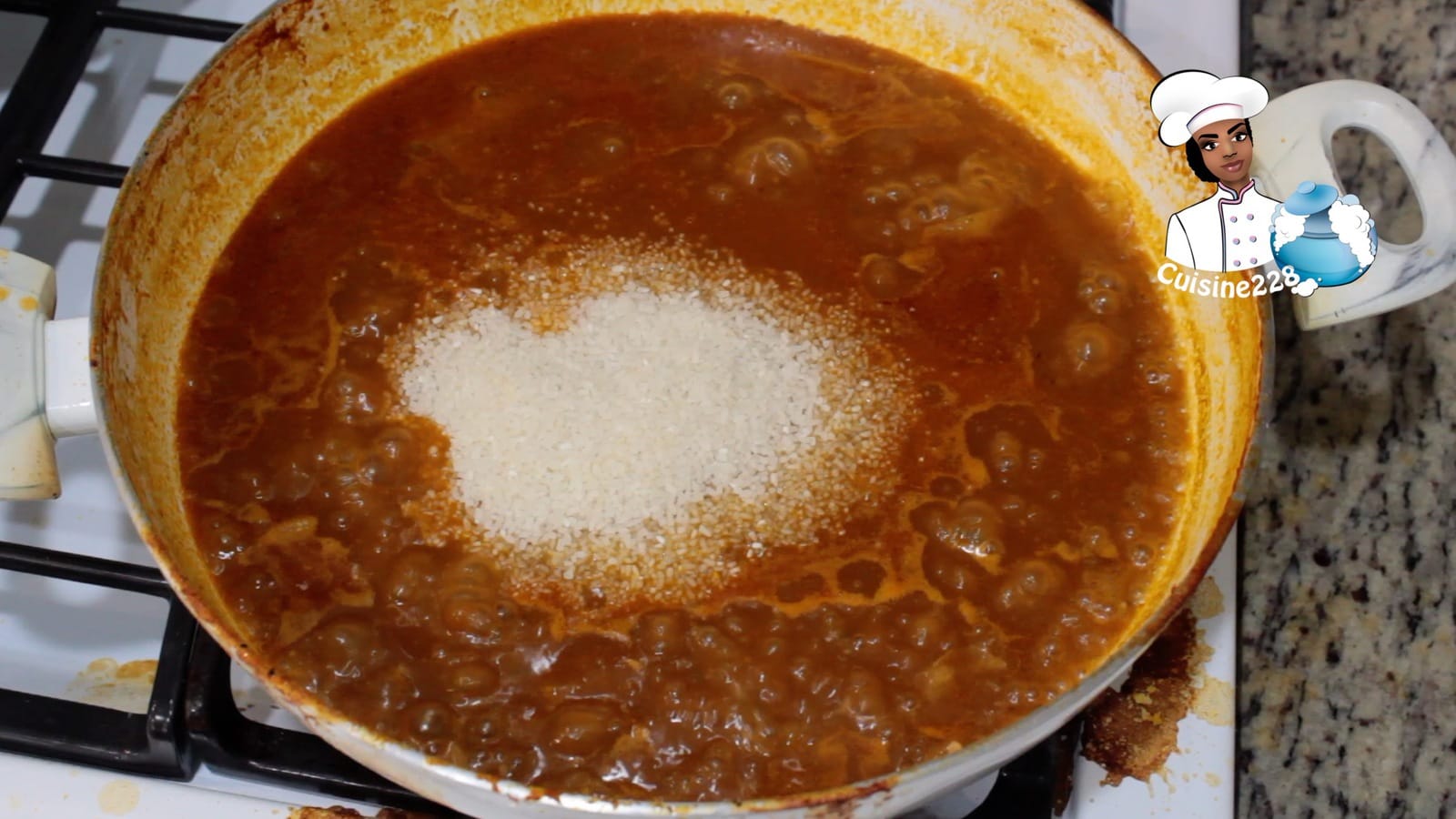
Add 7 cups of the water to the tomato mixture add the watched rice and salt to taste. Cook the rice.
When all the water evaporates from the rice add the habanero pepper.
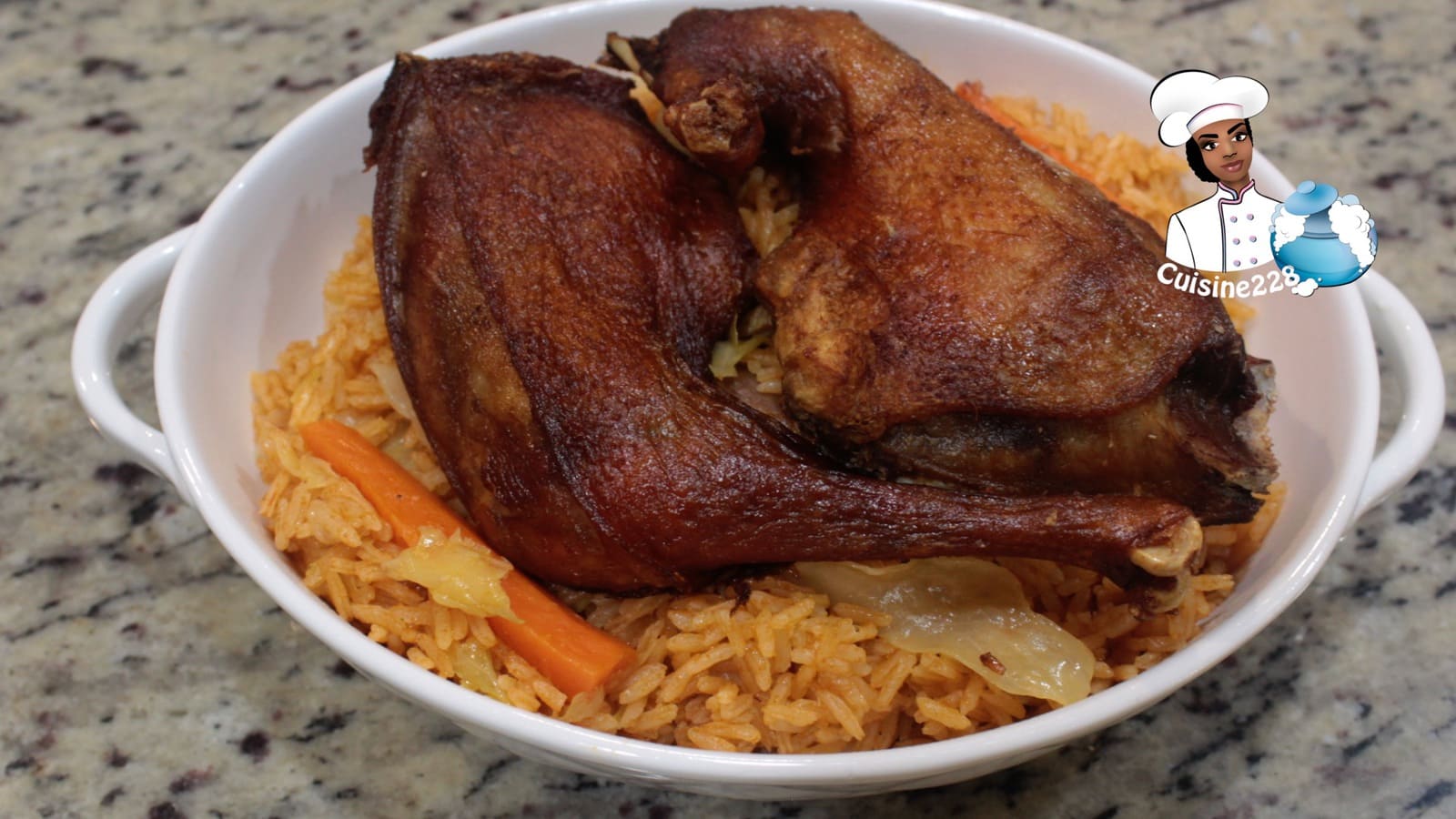
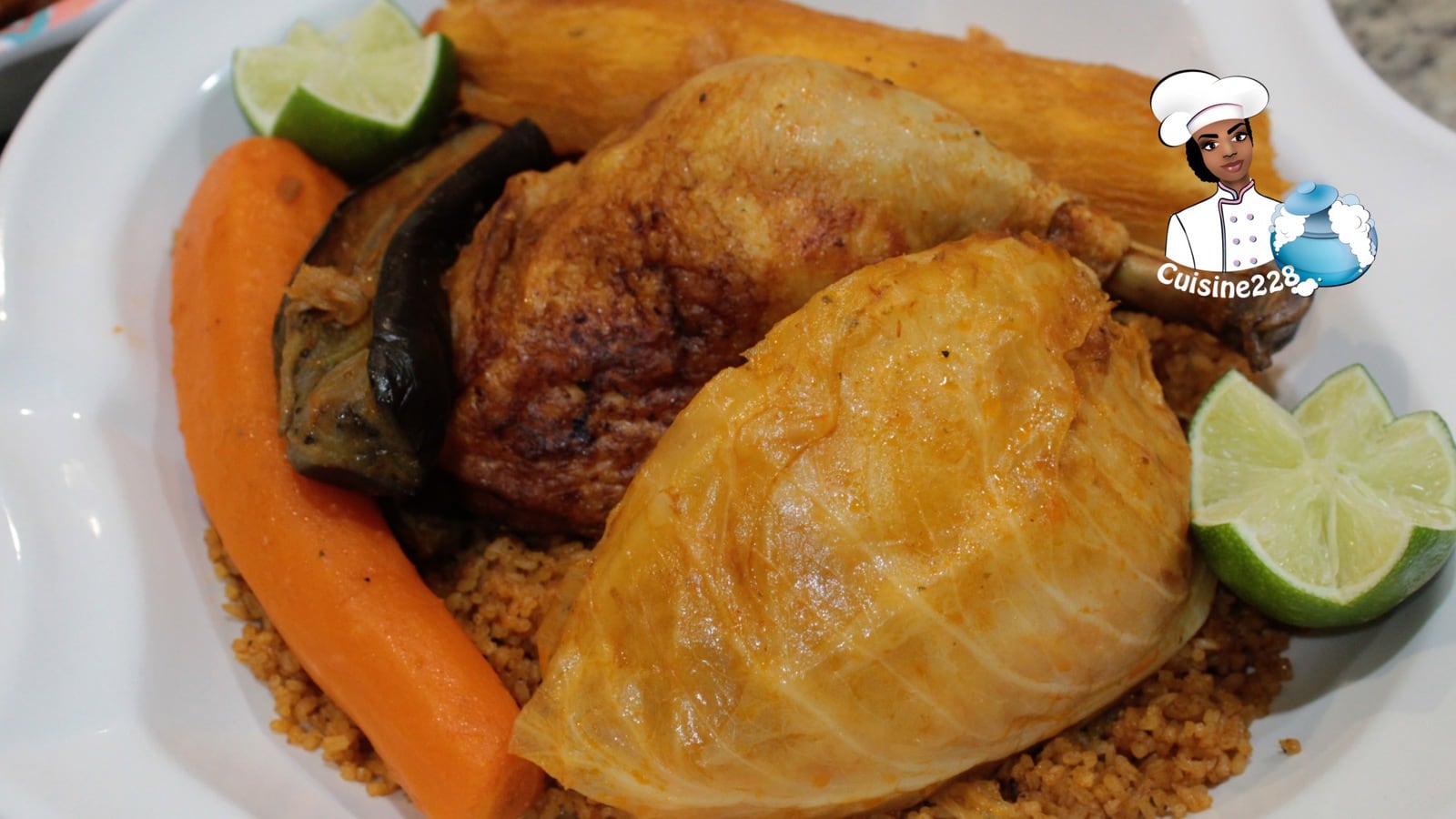
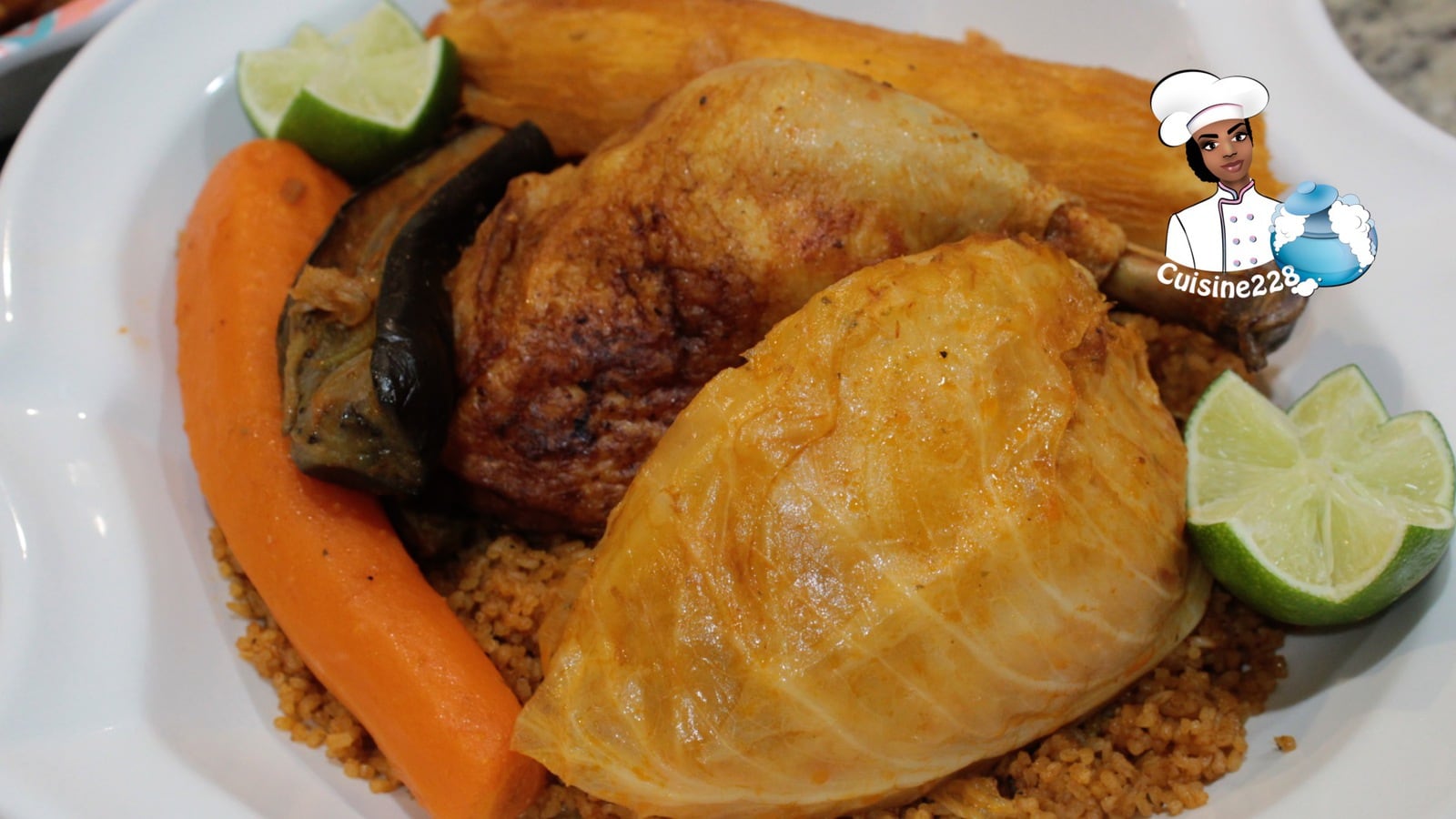
Serve the rice with the side of vegetable and the chicken.
Voila!!!
I noticed that other cultures serve their jollof with a side of salad, which is a good idea.
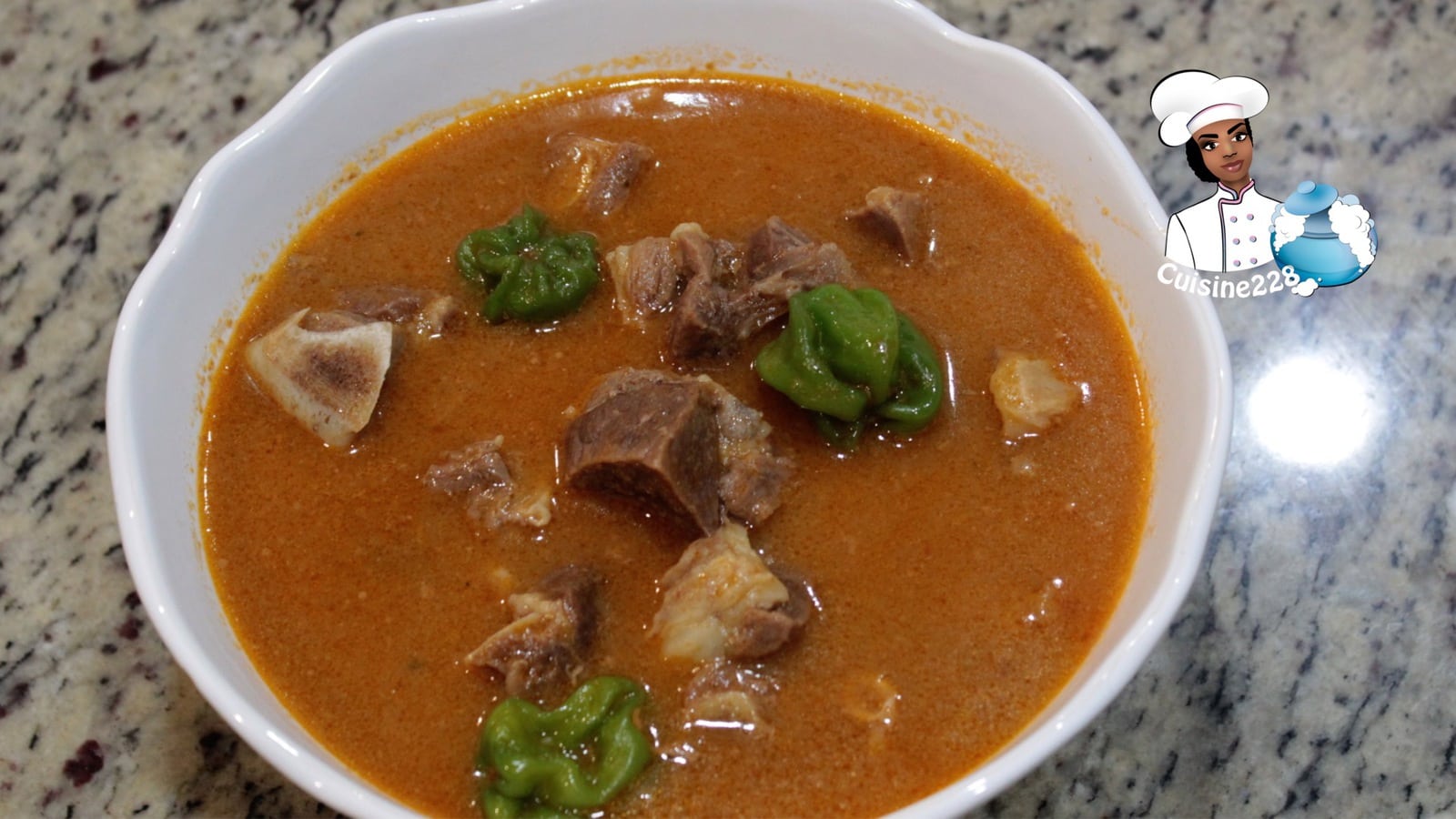
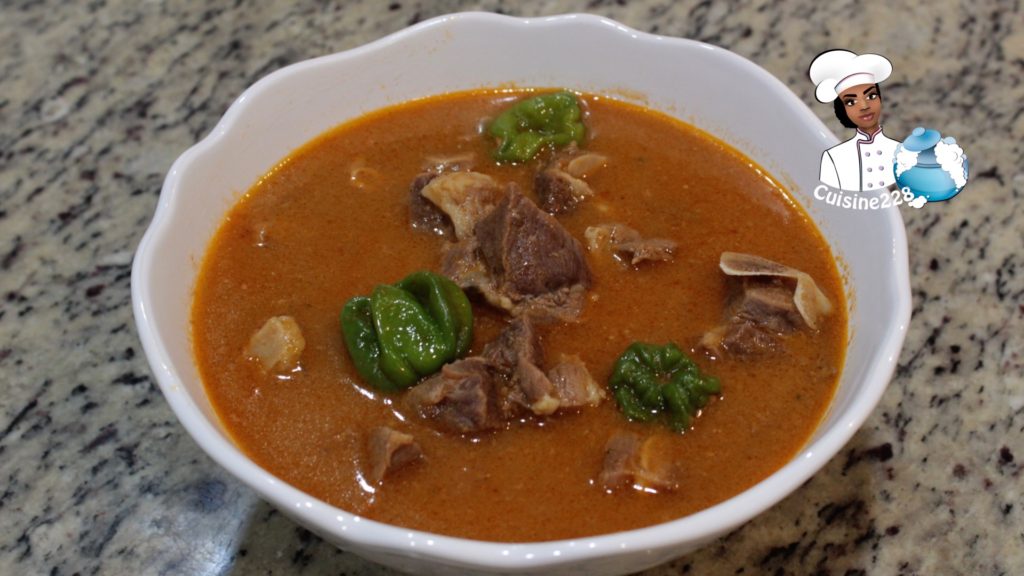
This Ivoirian pepper soup is a quick meal loaded with goat
meat and spices in an onion, tomato and eggplant broth. The Ivoirian pepper
soup tastes the same in all west Africa but we all have a different way of cooking
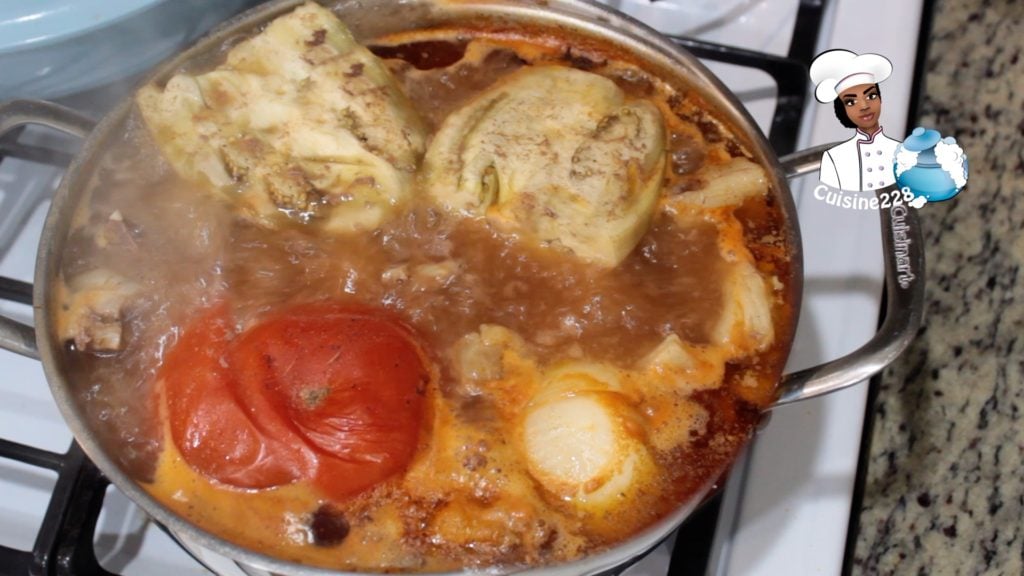
it. for this recipe the whole tomato, onion and eggplant is cooked with the goat
(or meat of your choice) and the spices; once the goat meat is tender the
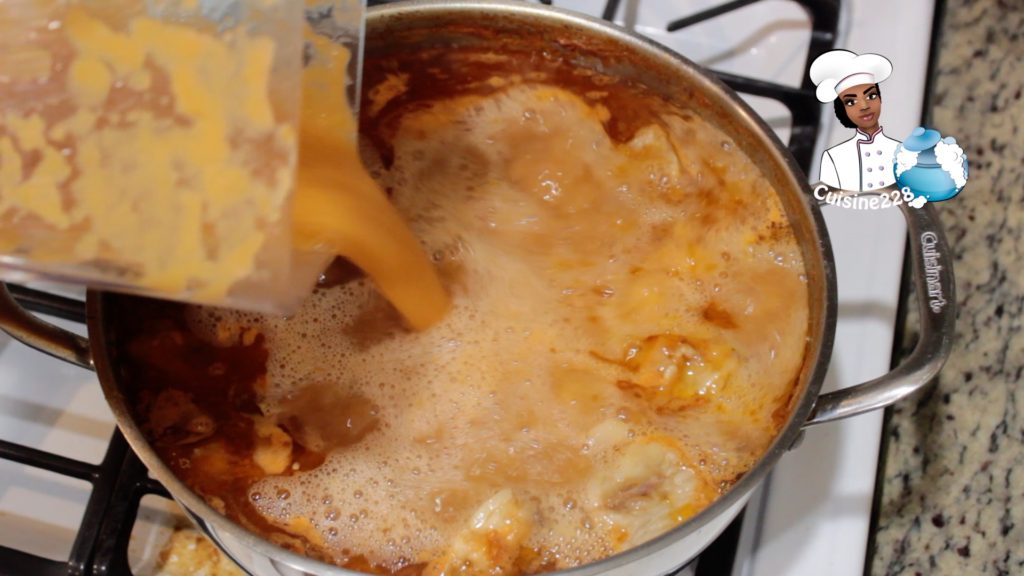
tomatoes, onion, and eggplants are pureed and added back to the stock and the
goat meat.
Ivorian Pepper Soup
Obviously, the authentic pepper soup is very spicy, but you
can adjust the pepper to you family’s taste. Typically, the pepper is treated like
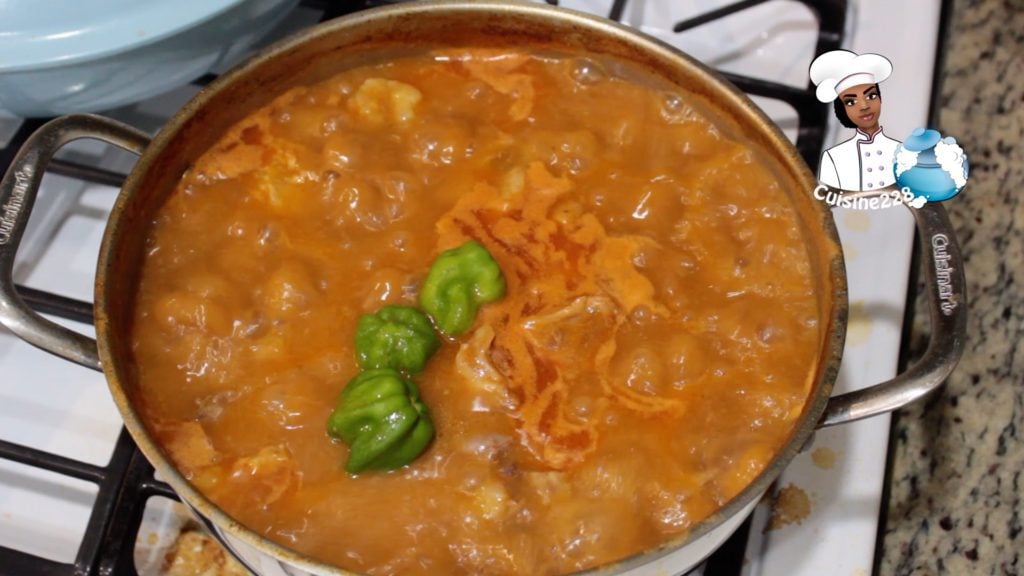
the whole tomato, onion and eggplant but I leave them whole because of my kids.
It can be prepared with various meats, such as
fish, shrimp, tripe, oxtail,
chicken, goat, beef and/or cow. The Ivoirian pepper
soup can be cooked using several meats in the same pot.
Ingredients
1 kilo of goat meat
1 big eggplant
1 large tomatoes
1 big onions
3 peppers
1 tablespoon of tomato paste
5 clove garlic
2 tablespoon ginger
1 cube Maggi
Salt
How to make Ivorian Pepper Soup?
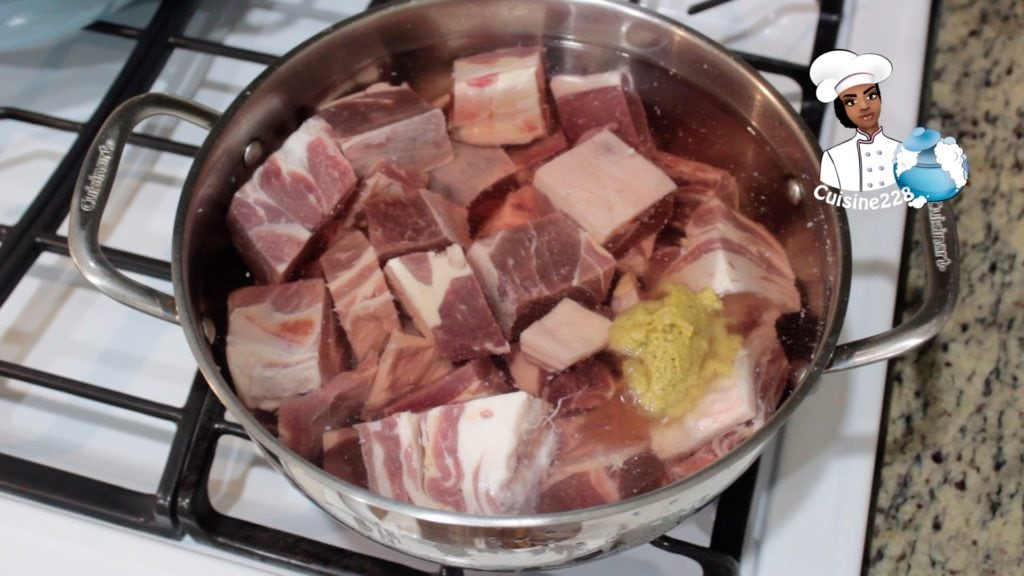
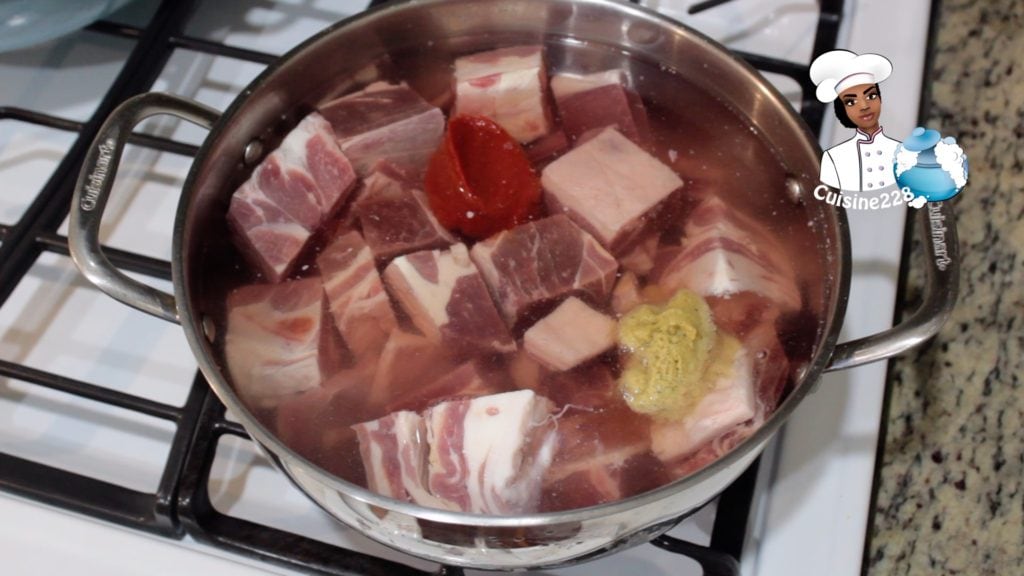
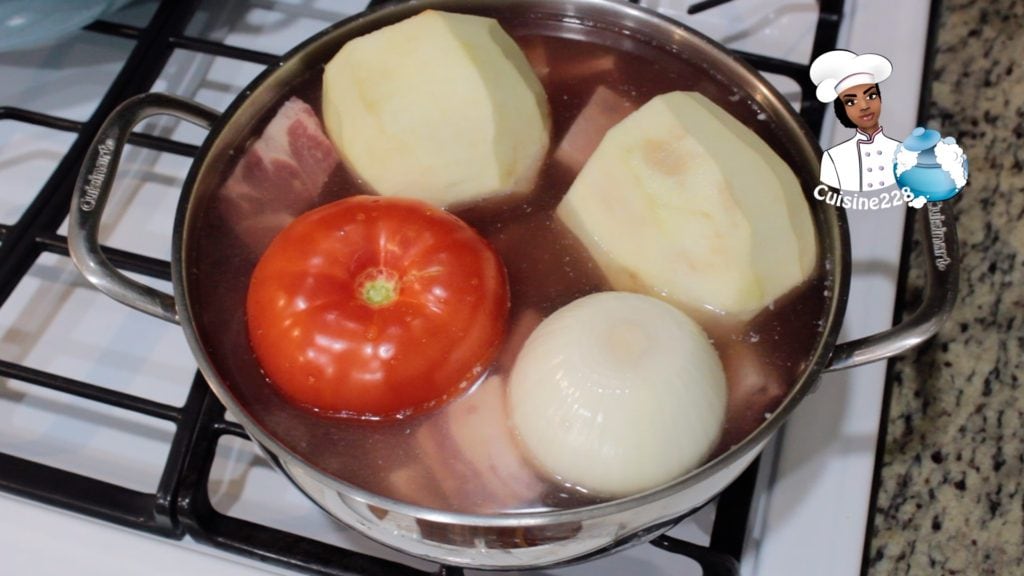
Add the meat in a saucepan, add enough water to cover the meat.
Add a tablespoon of concentrated tomato, garlic and ginger.
Add onion, eggplant and tomatoe.
Cover and let boil for 20 minutes and make sure the vegetables are well cooked. At this point the meat should be half cooked and tender.
Remove the vegetables and crush and add the crushed vegetables, pepper and the cube.
Let it simmer for 15 minutes and season to taste!
Ivorian Pepper Soup
You can accompany your sauce with foutou banana or rice.
My grandmother’s Adémé is my favorite soup. I remember my grandmother harvesting the Adémé the day before and letting it see overnight. The next day, we had to remove the dark end of the stem and remove the leave from the big stems. Next my grandmother washes the leaves with a drop of bleach to make sure they are no earthworm on the leaves. She will cook down the Adémé leaves with a lot of love, in a very simple way with doevi and serve it with Ewokoume.
The Adémé is also called Jute leaves or Lalo cultivated in the Caribbea, in Africa and in the USA during the summer time. The leaves of Adémé are sold in the farms during the summer time. I did not get a chance to go to the farm this year; therefore I had to use the industrial precooked Adémé. To tell the truth, I real don’t mind.
The Adémé is not just the delicious but very rich in Vitamin A, Vitamin C , Vitamin E. Furthermore the Adémé contains a high percentage of calcium, which contributes to strong teeth and bones. The Adémé is rich in fiber; therefore regularly intake of the leaves help to control blood pressure, cholesterol build-up, diabetes, and also prevents heart disease.
This Adémé déssi recipe is a West African (Togo, Benin, Ghana and Ivory Coast) recipe. The Adémé leaves are cooked in very little water and a generous amount of baking soda. The baking soda help keep the green color of the Adémé leaves and soften the leaves during the cooking process. Before, starting the cooking process, make sure to have all the ingredients ready because cooking the Adémé leaves too long can resolved in a dry, dark green and not slimy soup. Equally important, you should not cover the soup unless you want to cut the sliminess of the soup.
I have a tendency to overload my Adémé dessi with meat, fish and seafood. Some people do not use palm oil, but I cannot do without. In addition to the meat, vegetables like African eggplant and bell pepper can be added.
The Adémé is served with Akoume (like ewokoume. Makoume), Akpan, gari, or Ablo.
600 g of ademé leaves (fresh or frozen)
1 tablespoon of ginger
2 cloves garlic,
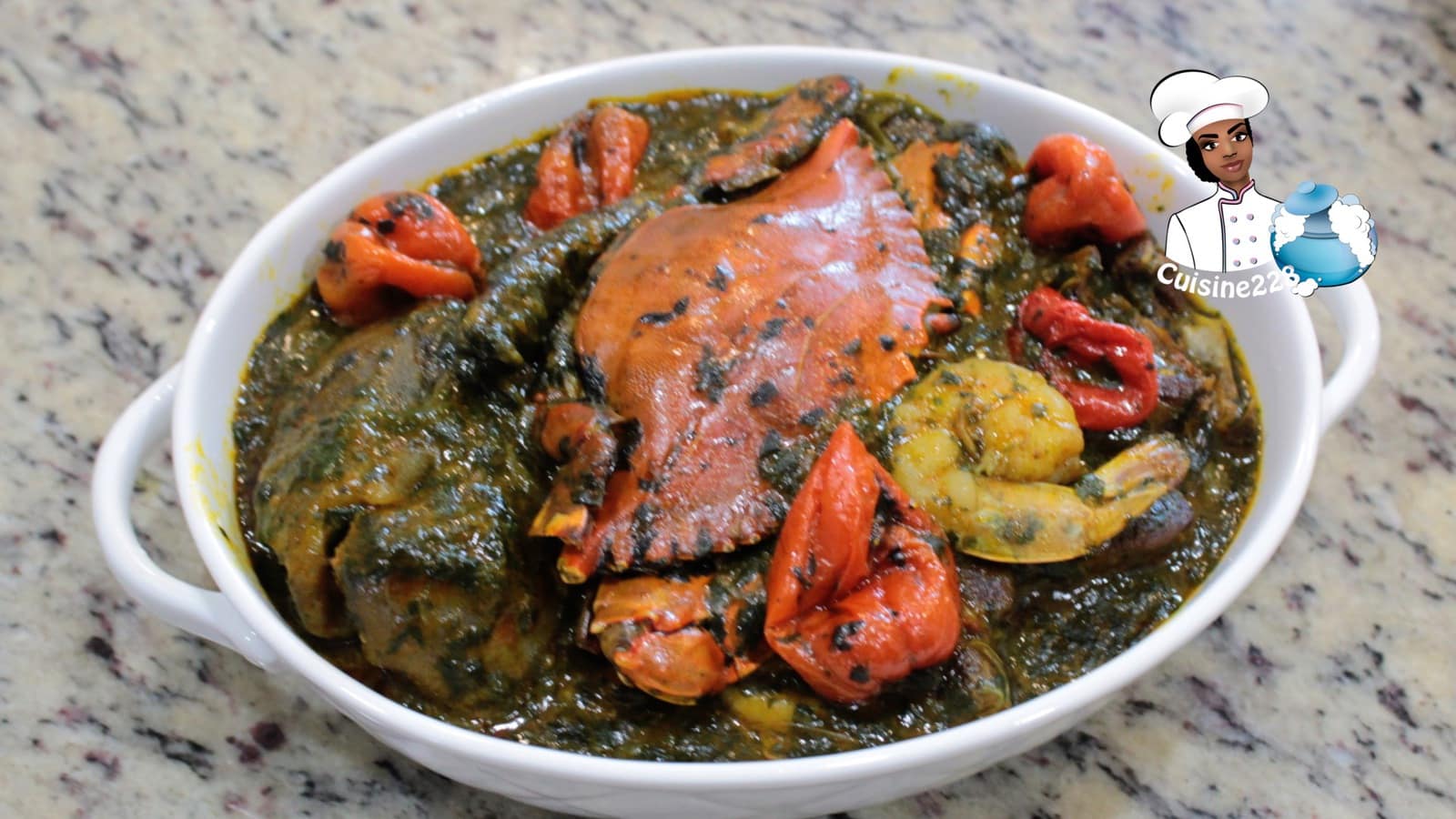
3 cooked crabs,
12 cooked shrimps,
1 smoked mackerel,
1 onion,
20 cl of palm oil
1 cube
Red and green pepper
Salt
Pepper
2 tbsp Potash or sodium bicarbonate
1 fish “lahoin” (dried and fermented fish)
The meat of your choice (seasoned, boiled, and fried)
Sort the leaves by removing the yellow or faded leaves, wash and drain in a colander and chop coarsely.
Put a little water in the bottom of a pot, and add the potash and as soon as the water begins to boil the leaves of ademe.
Add the fish “lahoin” and 1/2 onion
With the help of a spoon, break the leaves of Ademe.
Boil until the sauce is slimy (about 10 minutes).
Add chili, garlic, ginger, crab, shrimp, cube, meat and smoked fish
Add palm oil and salt and cook for another 10 minutes.
Potash or baking soda allows green vegetables to keep their color during cooking and soften
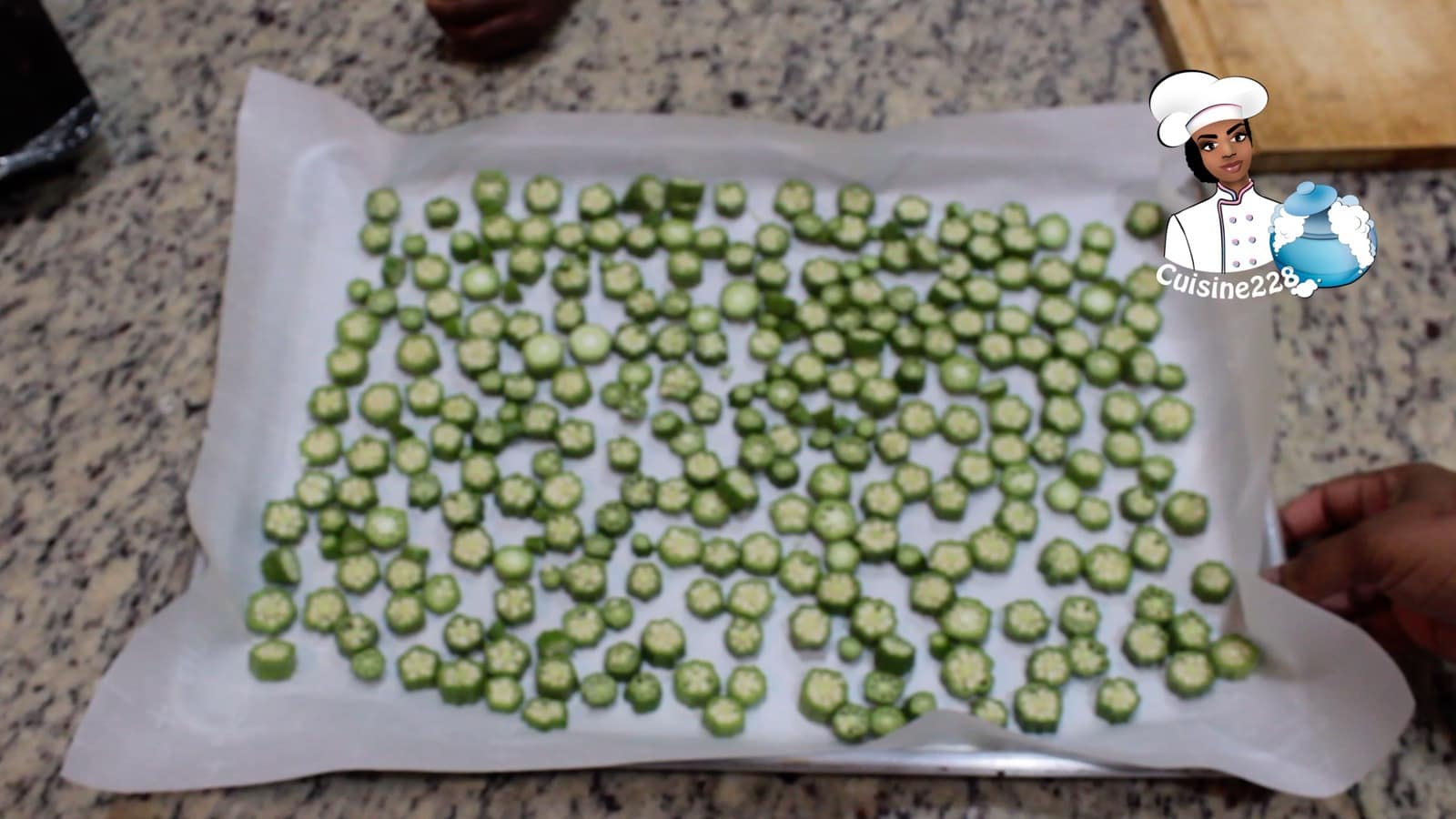
Scrub okra, rinse with cold water, pat dry with a towel and cut the okra in very thin slices.
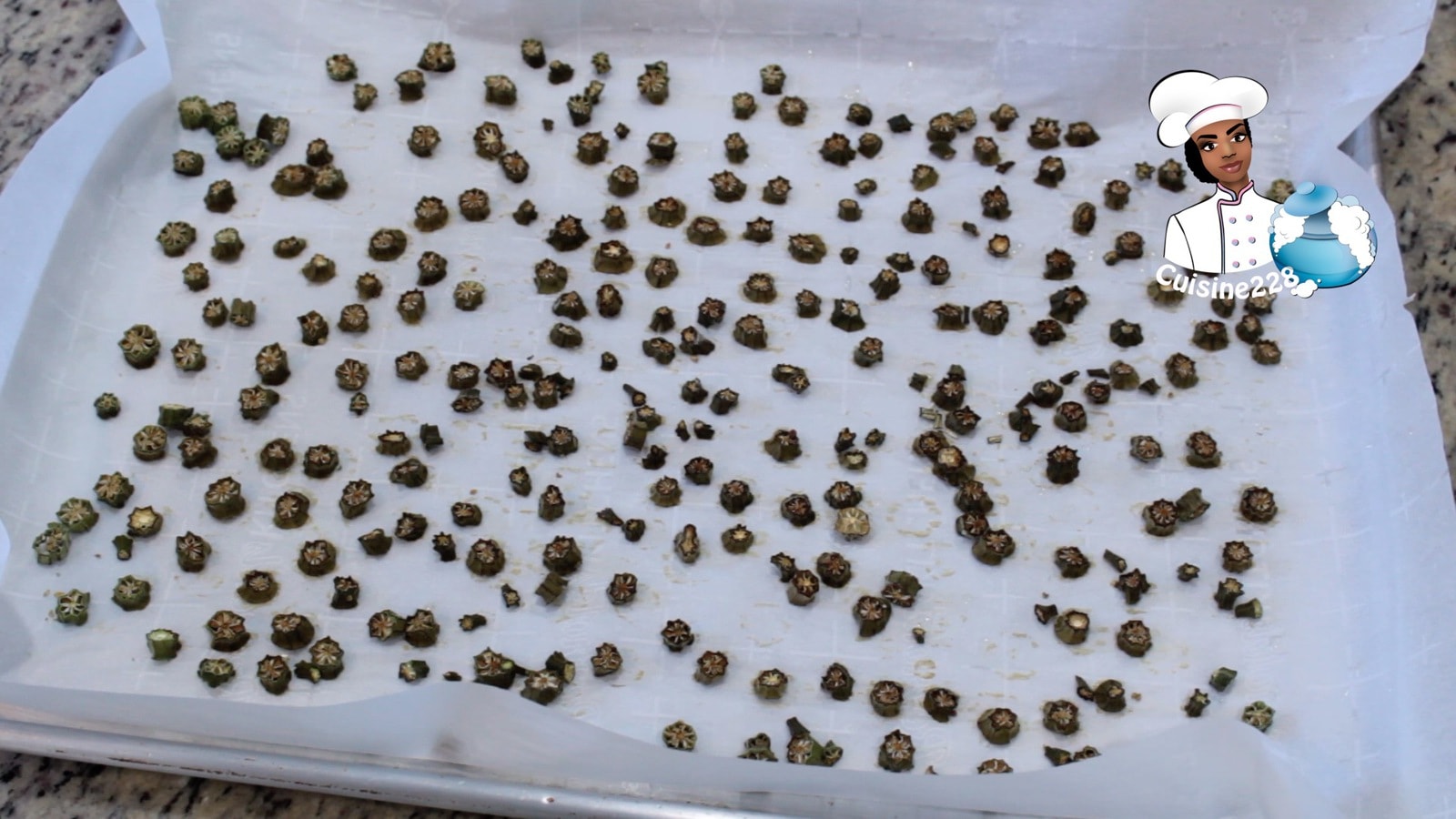
Dry until crisp and breakable (about 12-18 hours, depending on dehydrator and okra size).
Crush the okra.
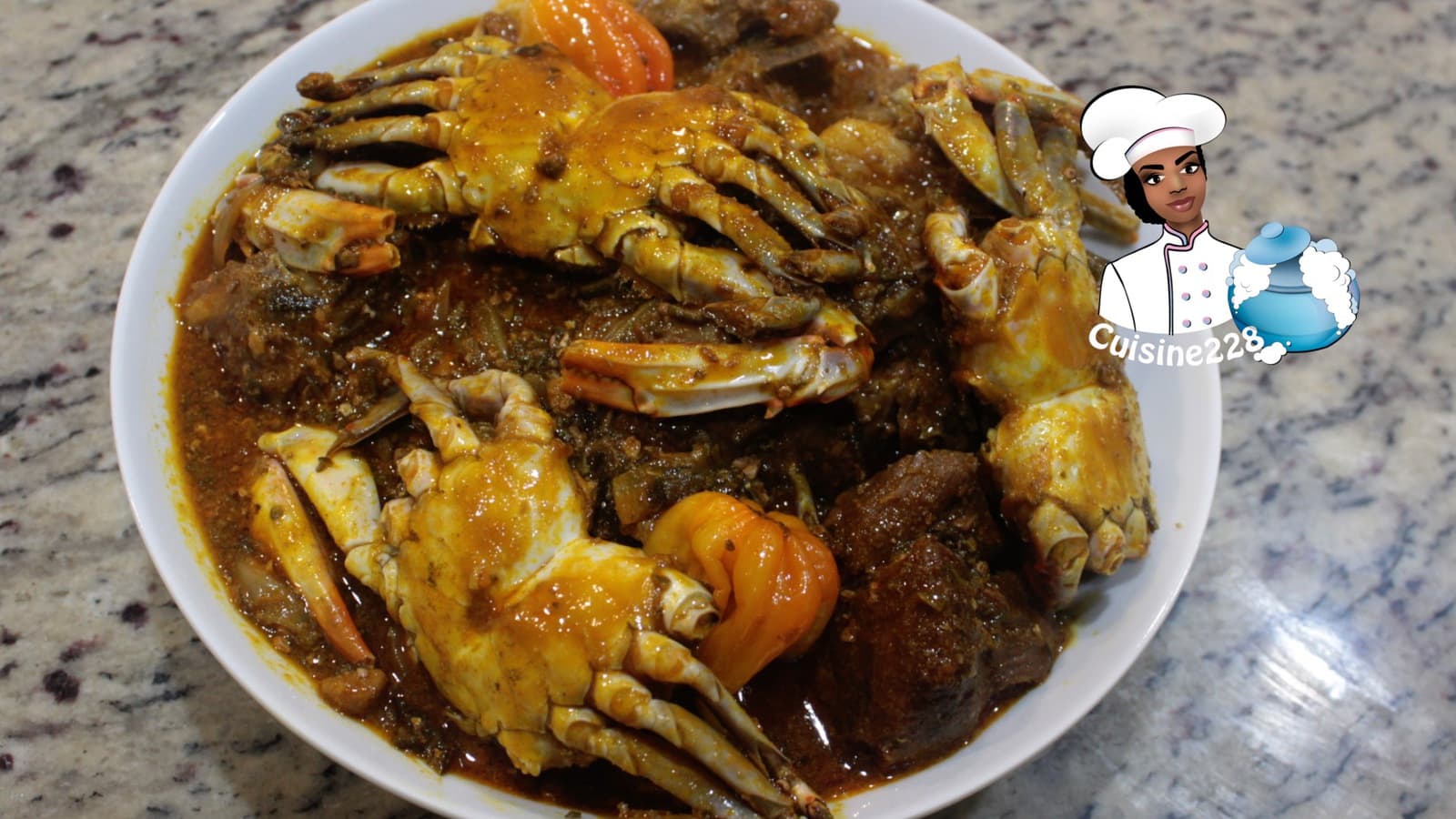
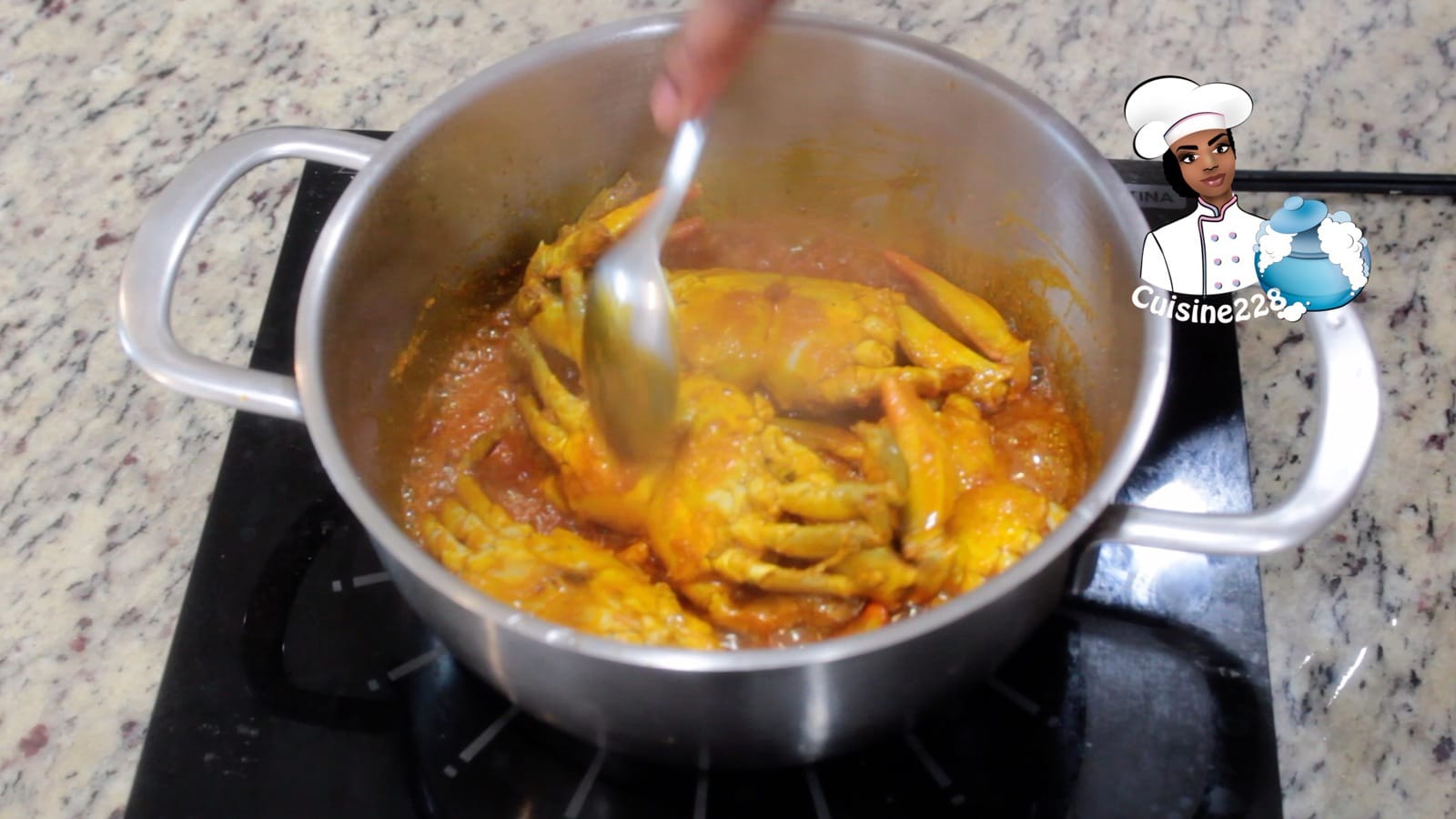
Clean the crab and cook with the palm oil, a third of of the ginger, garlic, onion and cube for 10 mins.
Marinate the goat and boil the meat with third of the ginger, garlic, onion and cube.
In a saucepan, add 3 cups water (or meat bouillon), a pinch of baking soda and add the dry okra. Stir constantly for 3 minutes and add the meat juice.
Simmer 2 min and add the habanero and the third of the ginger, garlic, onion and cube.
Simmer for 5 min.
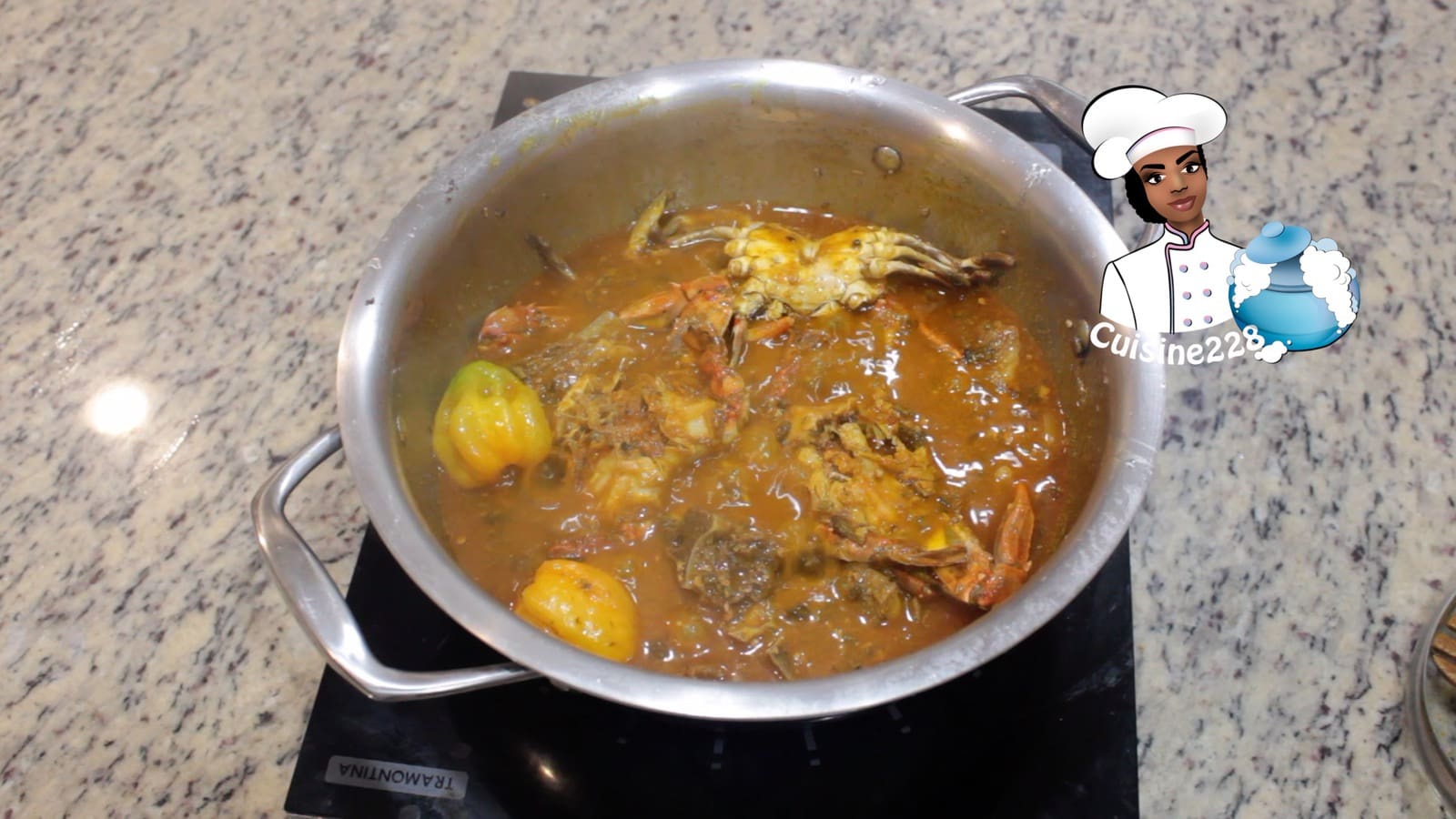
Then add the palm oil and crab. Simmer for 5 minuted.
*For those without a dehydrator, no need to make the investment just yet. To dry okra in the oven, spread half of the batch of okra at a time in a single layer on a wire rack nestled in a baking sheet. Place in a 150 degree oven and turn okra every 3 hours for 12 hours or until desired crunchiness is achieved.
1 piece of guedjef and yete (dried fish and shellfish)
1 bunch of parsley
2kg rice (if possible broken 2 times)
2 cubes of broth
1 can of tomato paste
3 tomatoes puree
1 cup oil
Salt pepper
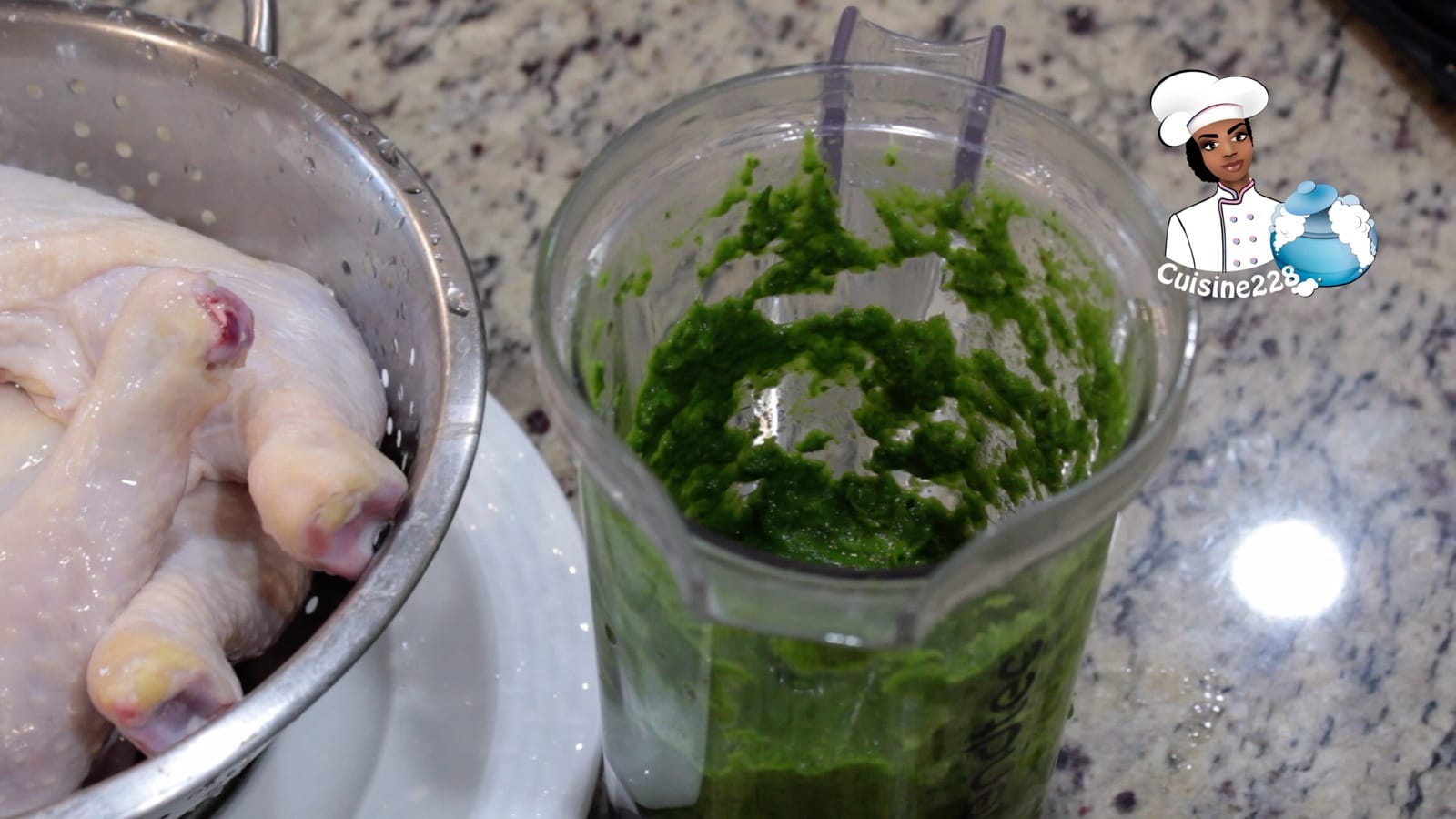
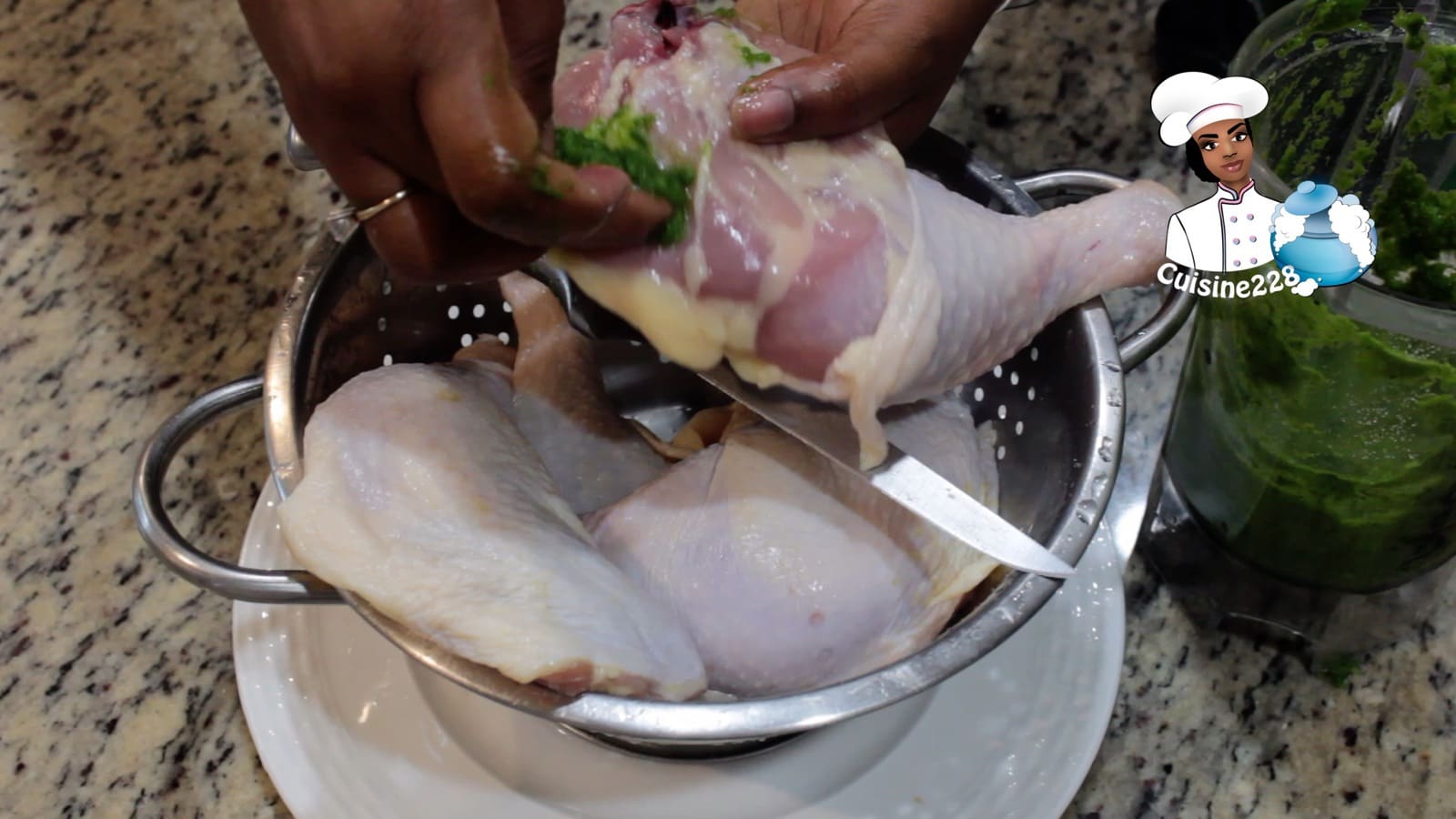
Prepare the stuffing (Roff): Finely chop the parsley, garlic and onion, 1 cube; add chilli to make a more tasty stuffing.
Put the stuffing into the chicken and fry;Set aside
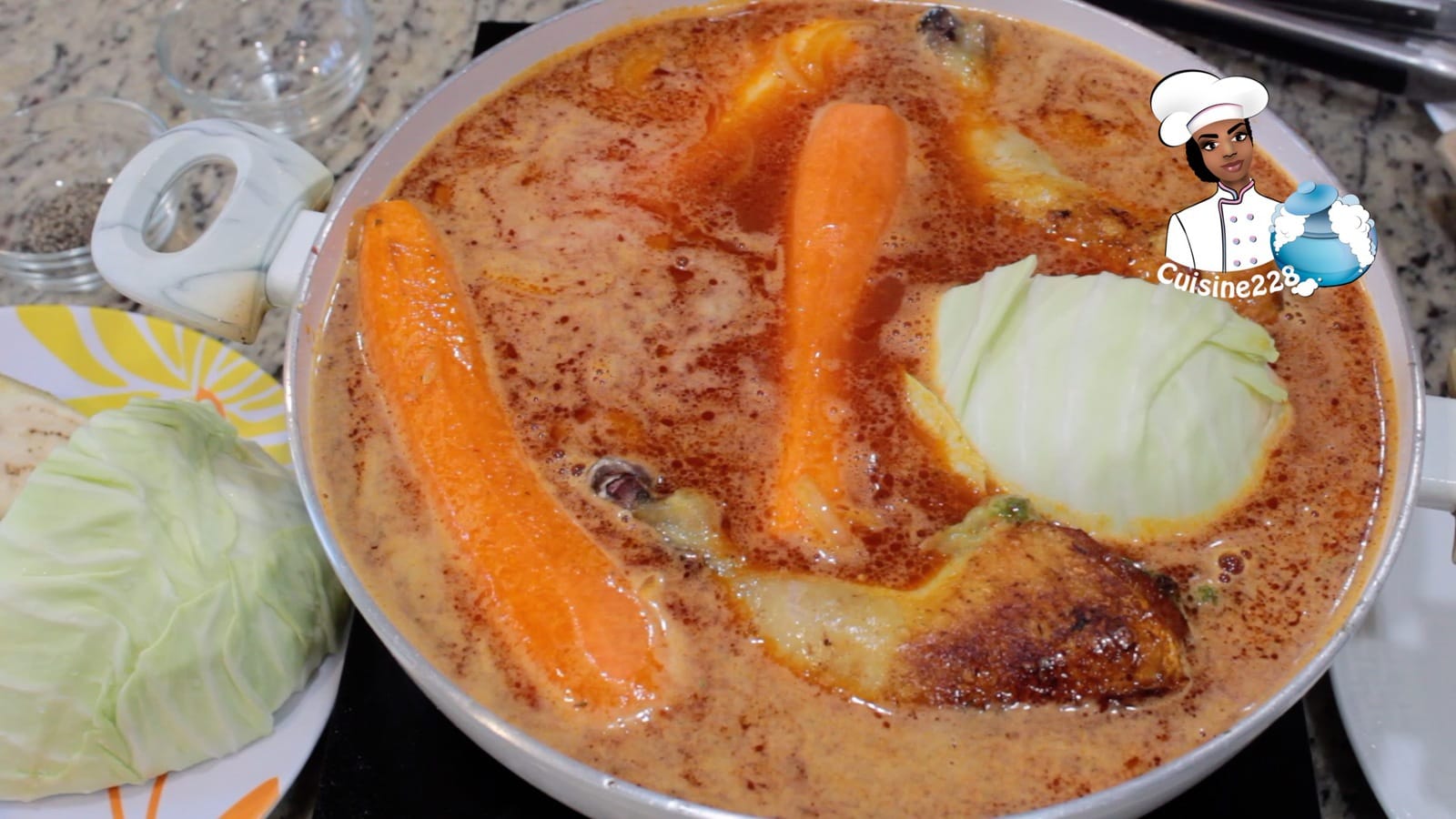
In a large pot, frythe remaining onion and add tomato paste, 3 tomatoes puree as well as guedjef and yete. Leave to cook on low heat 2 min. Add the water.
Add the vegetable, the chicken and the remaining Roff to the pot and cover with water.
Add the maggi cubes, salt and chilli.
Simmer for at least 45 minutes.
Meanwhile, rinse the rice and put it in a couscous pot. Preheat the rice with steam.
Remove the chicken and vegetables.
Add to the rice and Cook the Tiep over medium heat until the rice is cooked through.
Stir in the cooked leaves with chilli and a little maggi and add a little sauce taken from the pot.
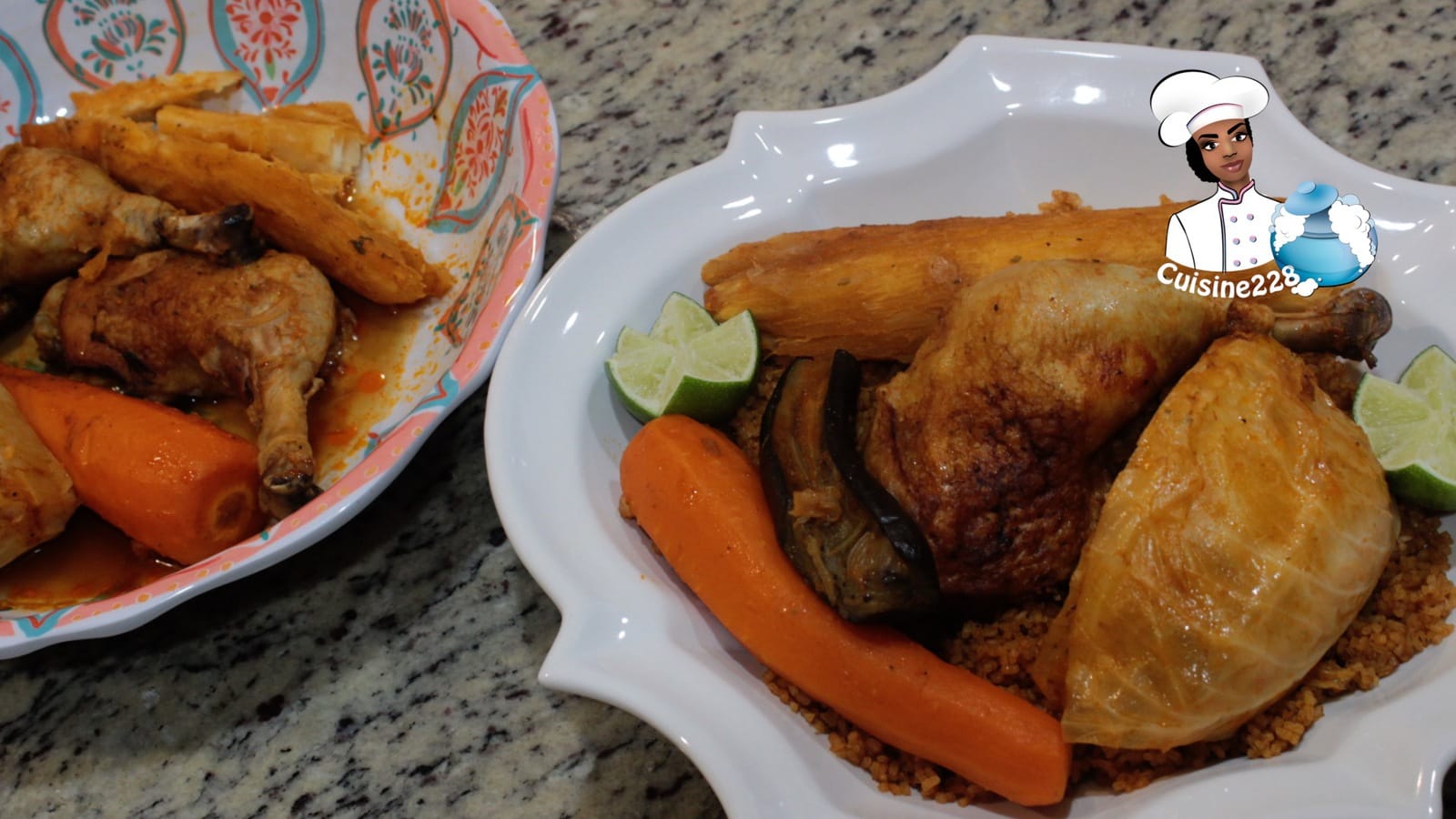
To serve your Thiébou guinar
Put the rice in a large dish and place the ingredients in the center; decorate with lemon wedges and parsley.
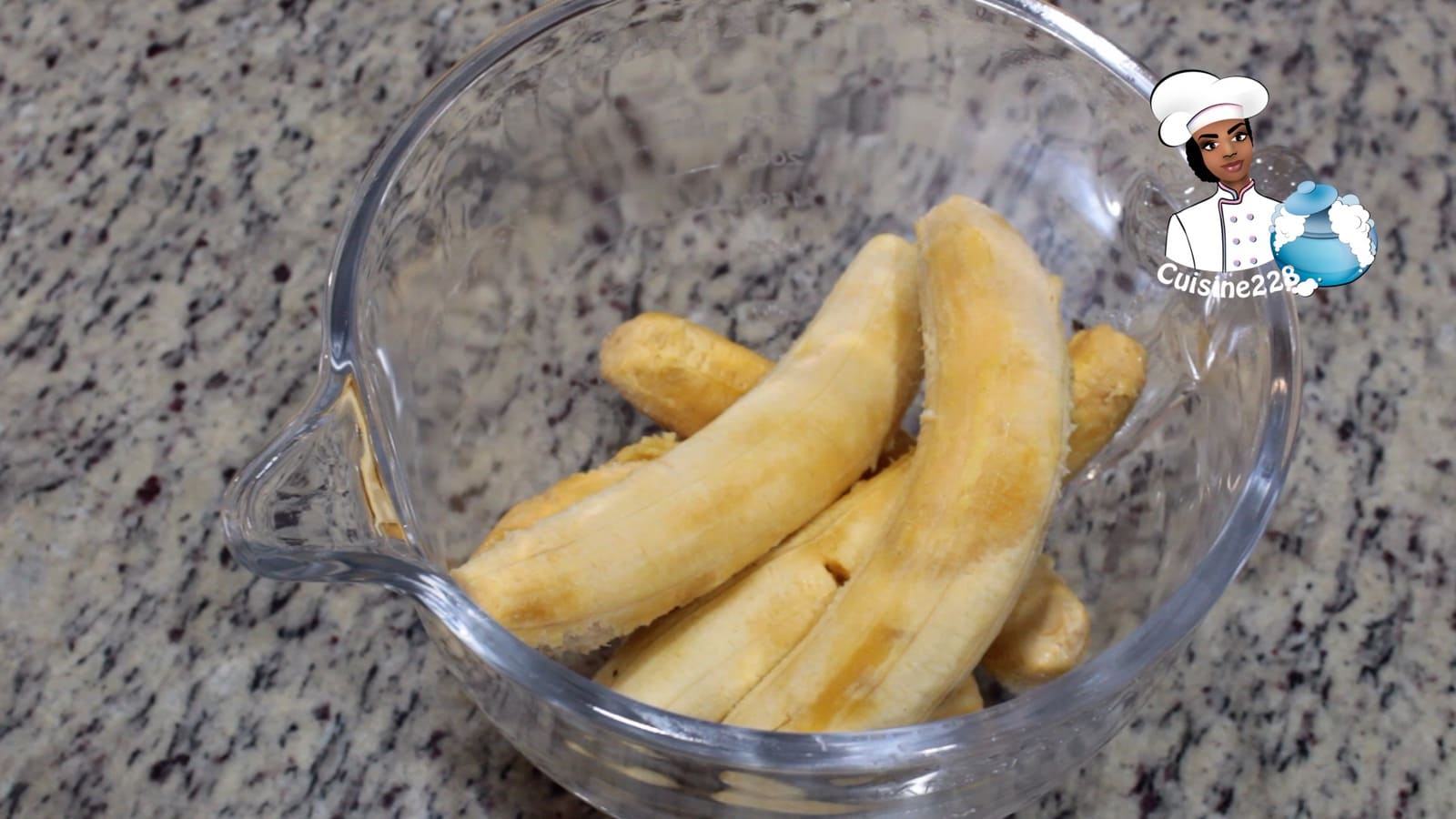
Mash plantains with a potato masher or spoon until puree or use a food processor to blend.
Add the flour, baking powder, salt. Stir until fully combined.
Adjust seasonings and let rest for 30 minutes.
Heat oil to 350 degrees in a skillet or saucepan.
Carefully place spoonful of the batter into the hot oil and fry for 3-4- minutes, or until the fritters are crisp and golden-brown (you may need to do this in batches).
Remove from the pan with a slotted spoon and set aside.
You may drain on paper napkin to remove any excess oil
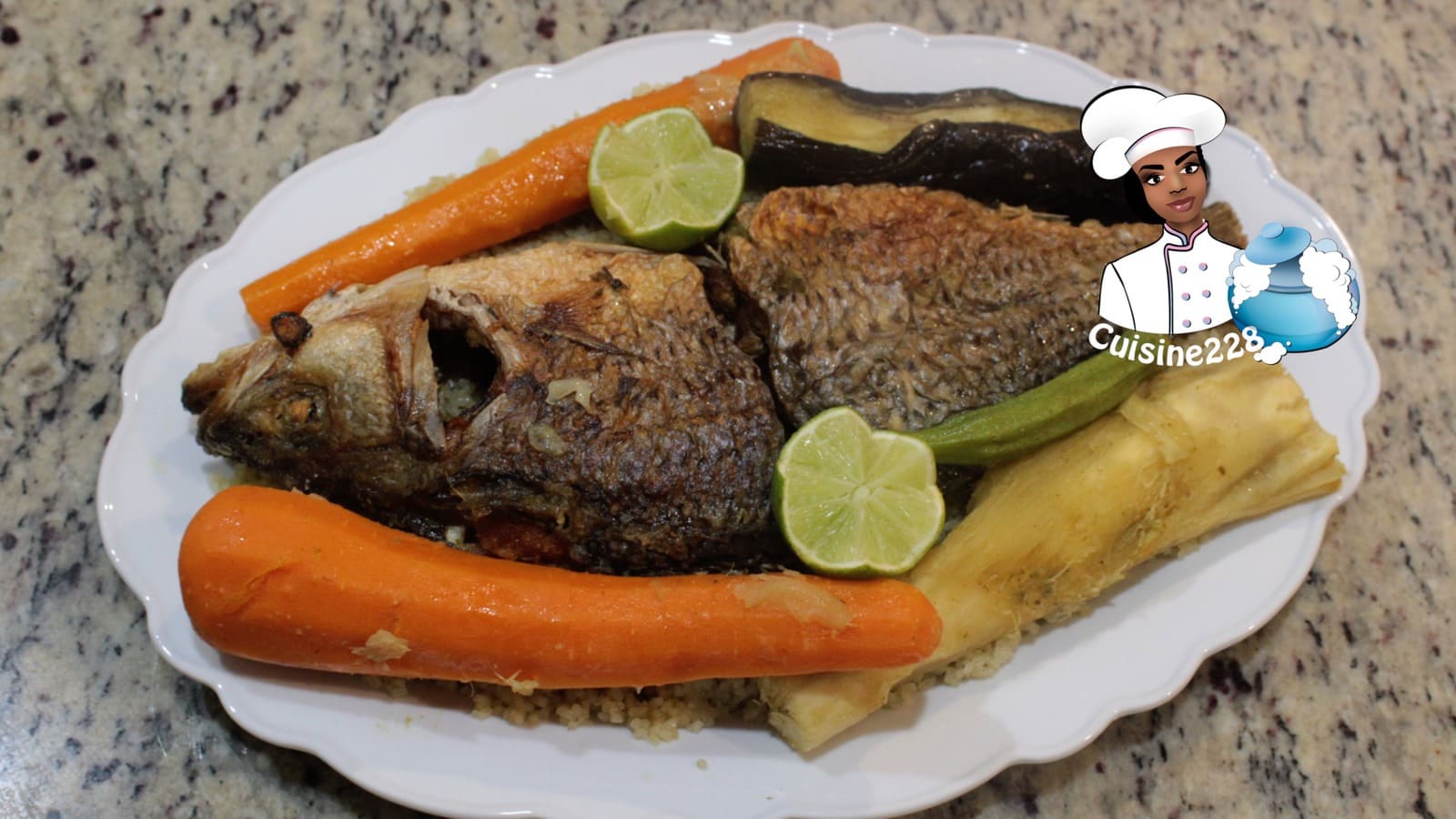
Thiéboudiène, Thiéboudienne, tieb bou dien, tieb, chèp , ceebu jën? Senegalese or Malian? I’m not sure, but I know it’s one of the most delicious dishes in Africa. This wolof rice with fish is the national dish of Senegal. In Mali, for example, it is a dish called zamè. Thiéboudienne comes from Wolof “Rice” (ceeb) and “fish” (jën).
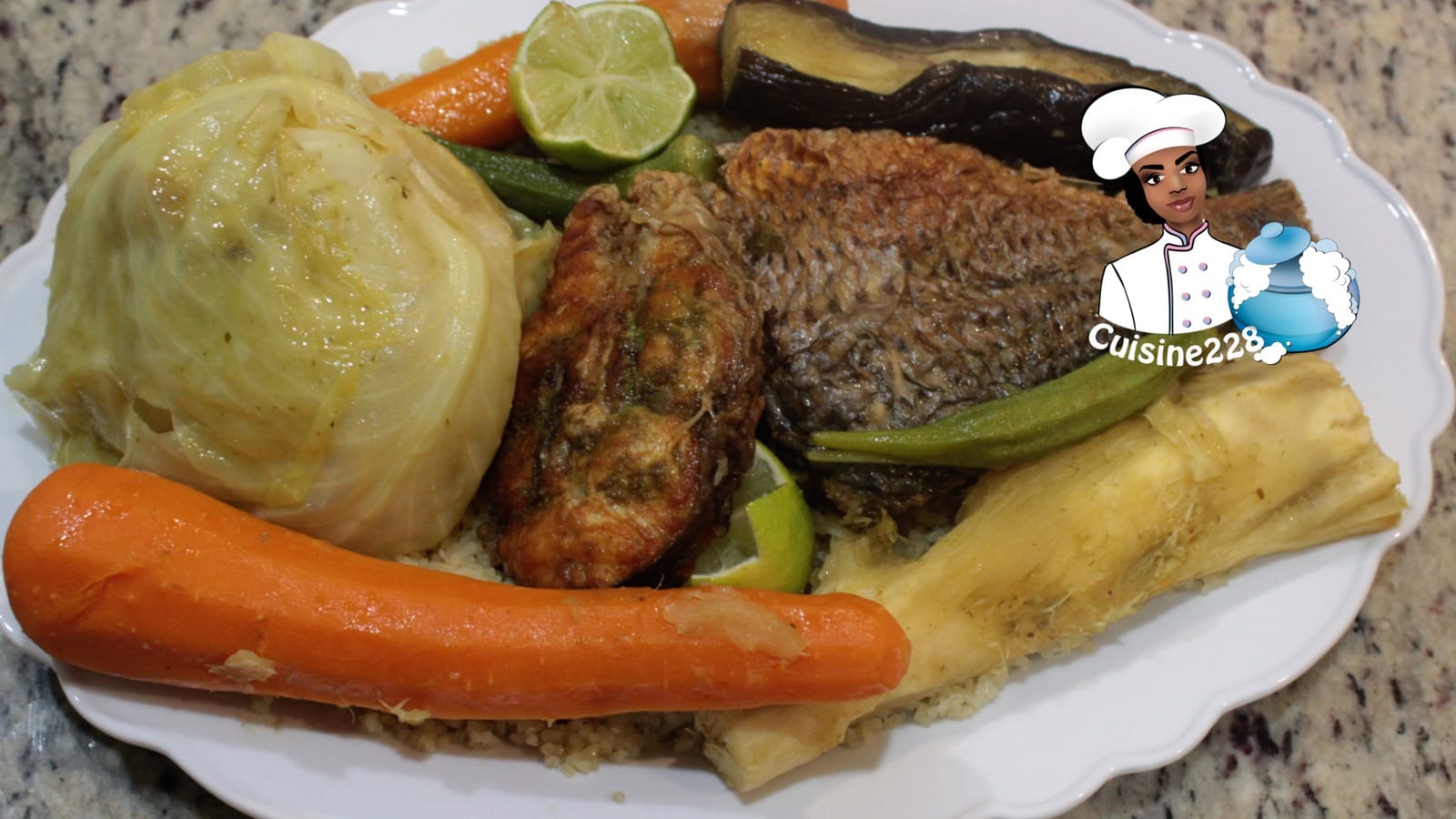
Thiéboudienne is made with rice, fish, tomato sauce, and vegetables (cabbage, carrot, cassava, eggplant, onion …).
1 thiof (or 2 seabreams)
2 onions
2 cloves garlic
3 carrots
1/2 white cabbage
1 cassava tuber
2 African eggplant
1 pepper lantern
1 piece of guedjef and yete for connoisseurs (dried fish and shellfish)
1 bunch of parsley
2kg rice (if possible broken 2 times)
2 cubes of broth
1 cup oil
5 okra
Salt pepper
Preparation of Tiep:
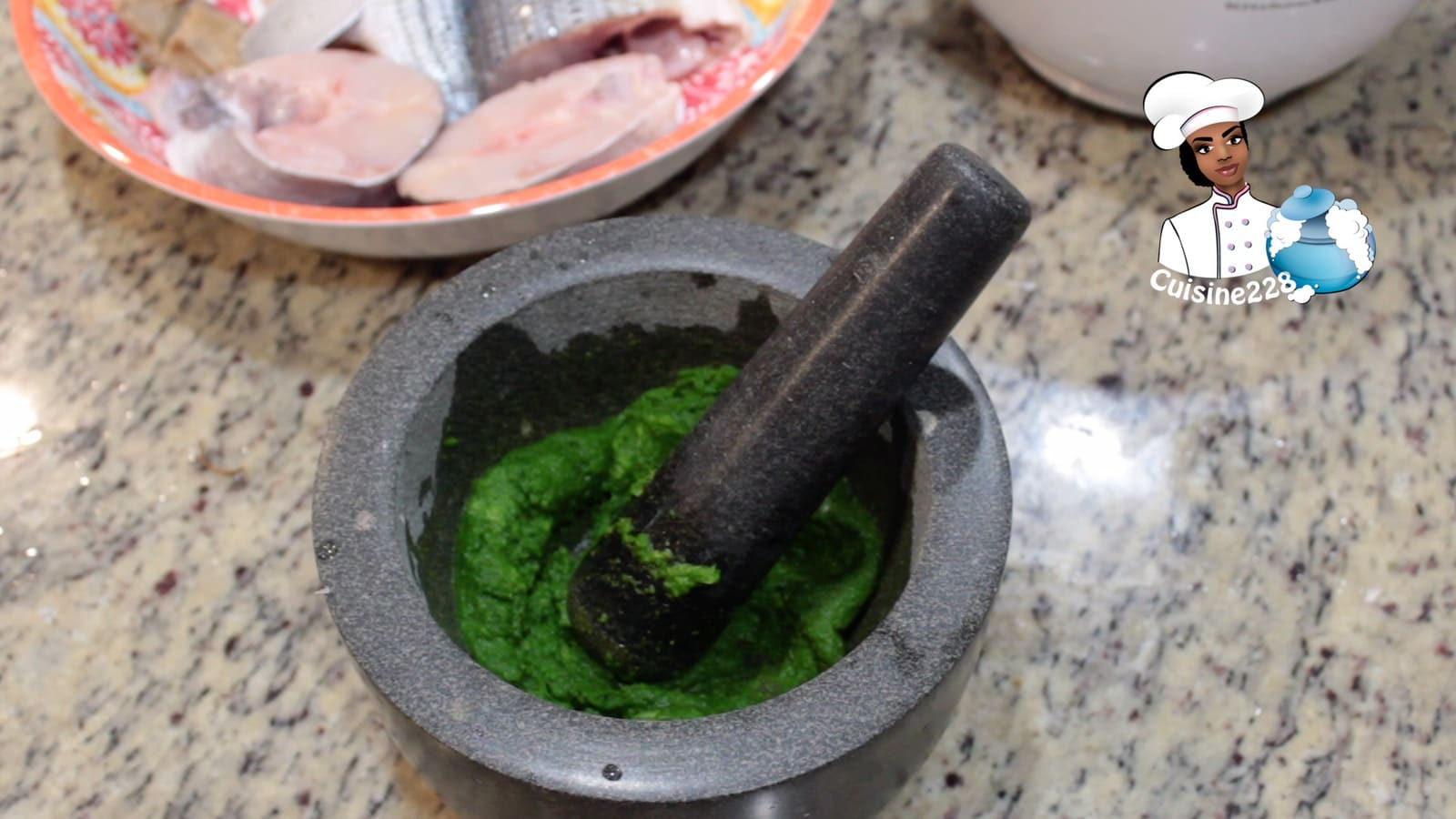
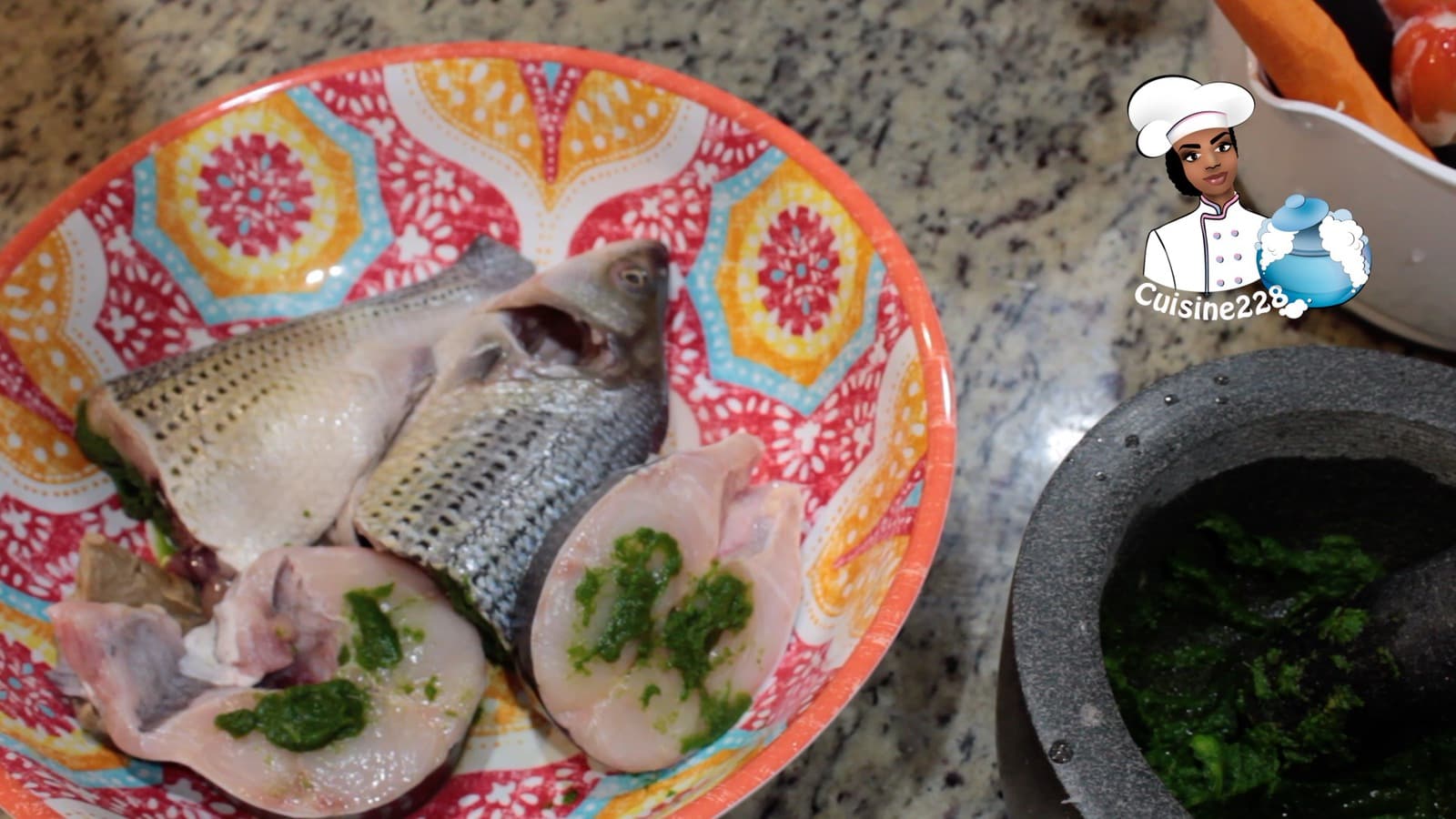
Prepare the stuffing (Roff): Finely chop the parsley, garlic and onion, 1 cube; add chilli to make a more tasty stuffing.
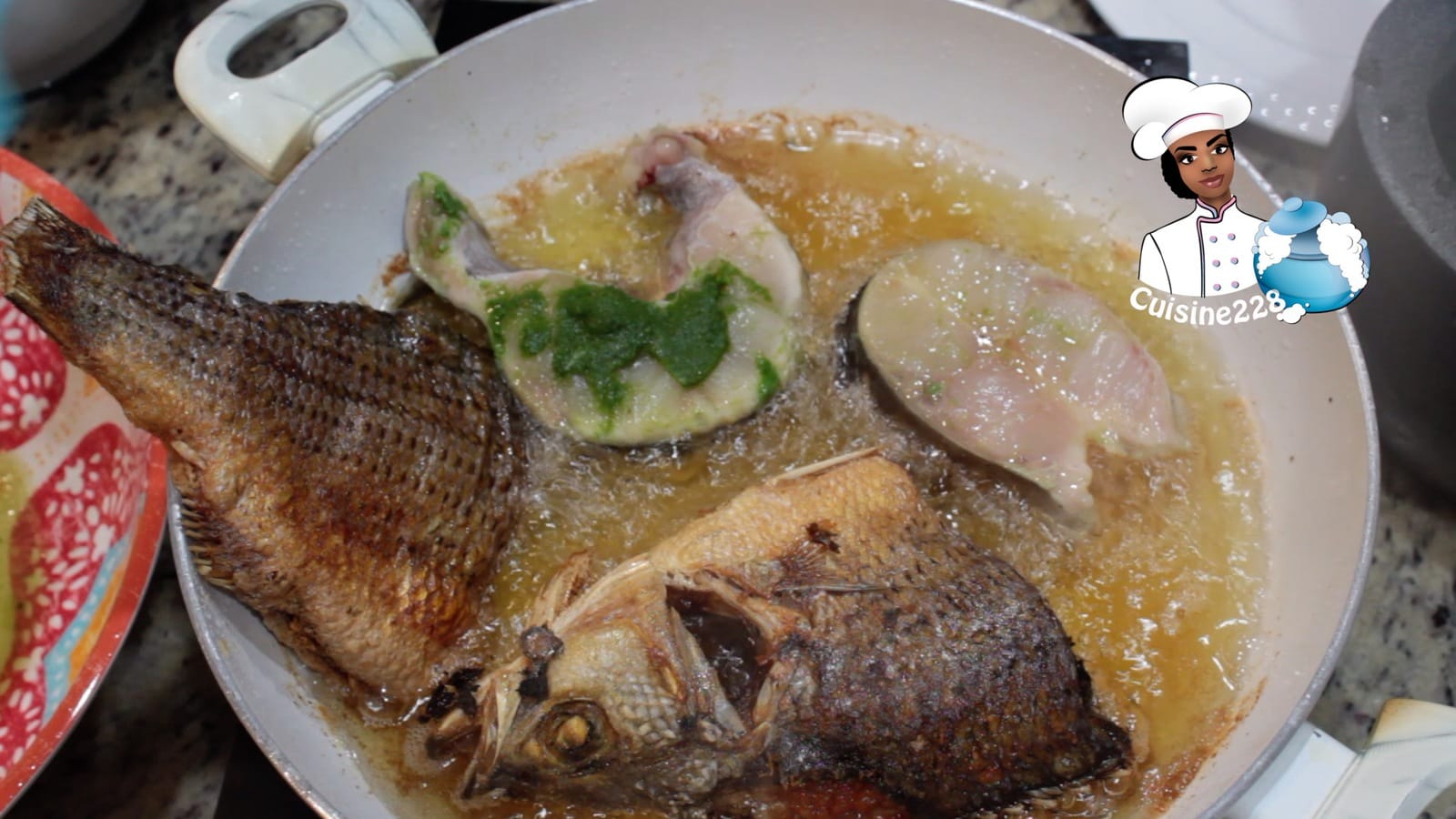
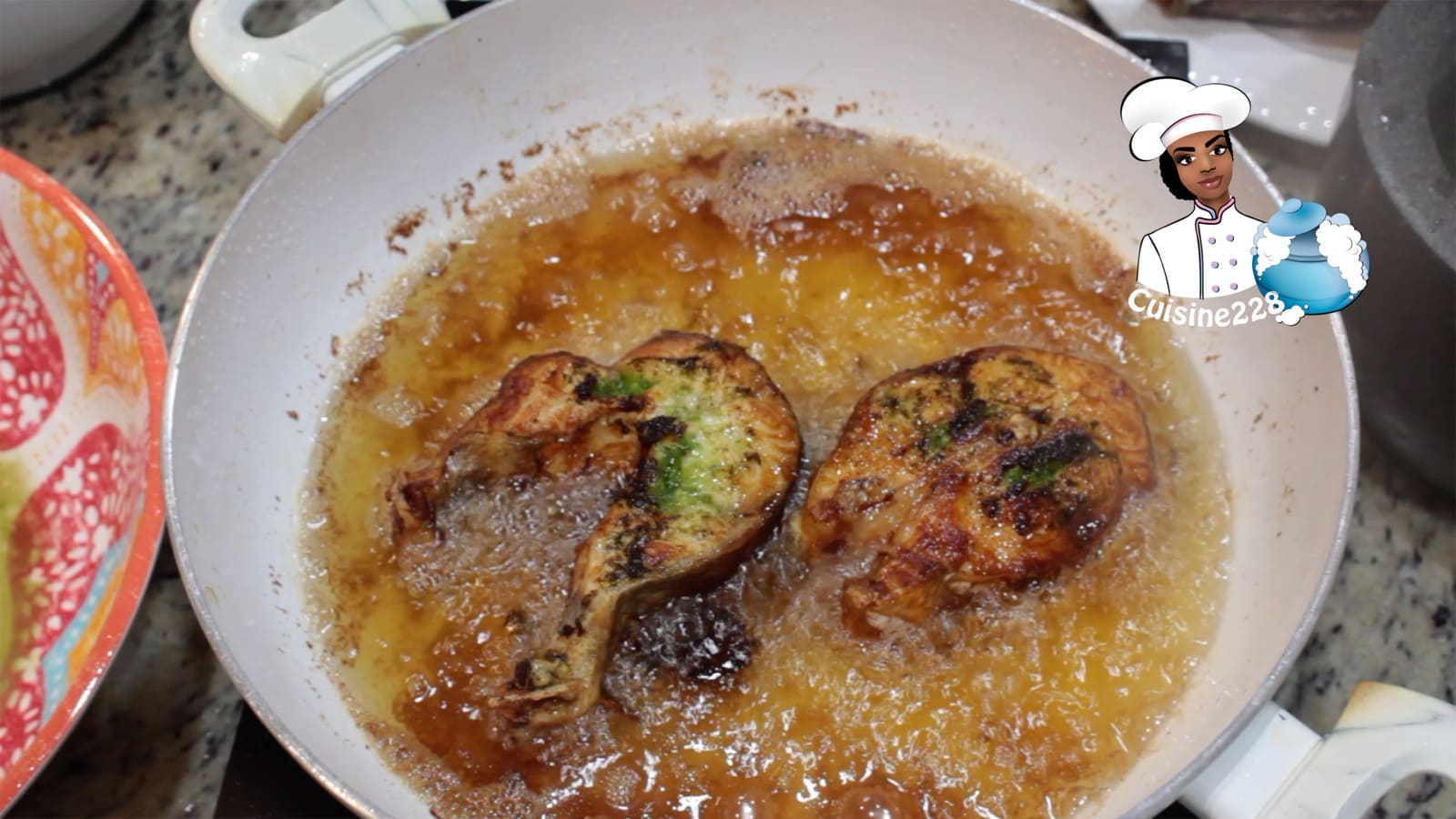
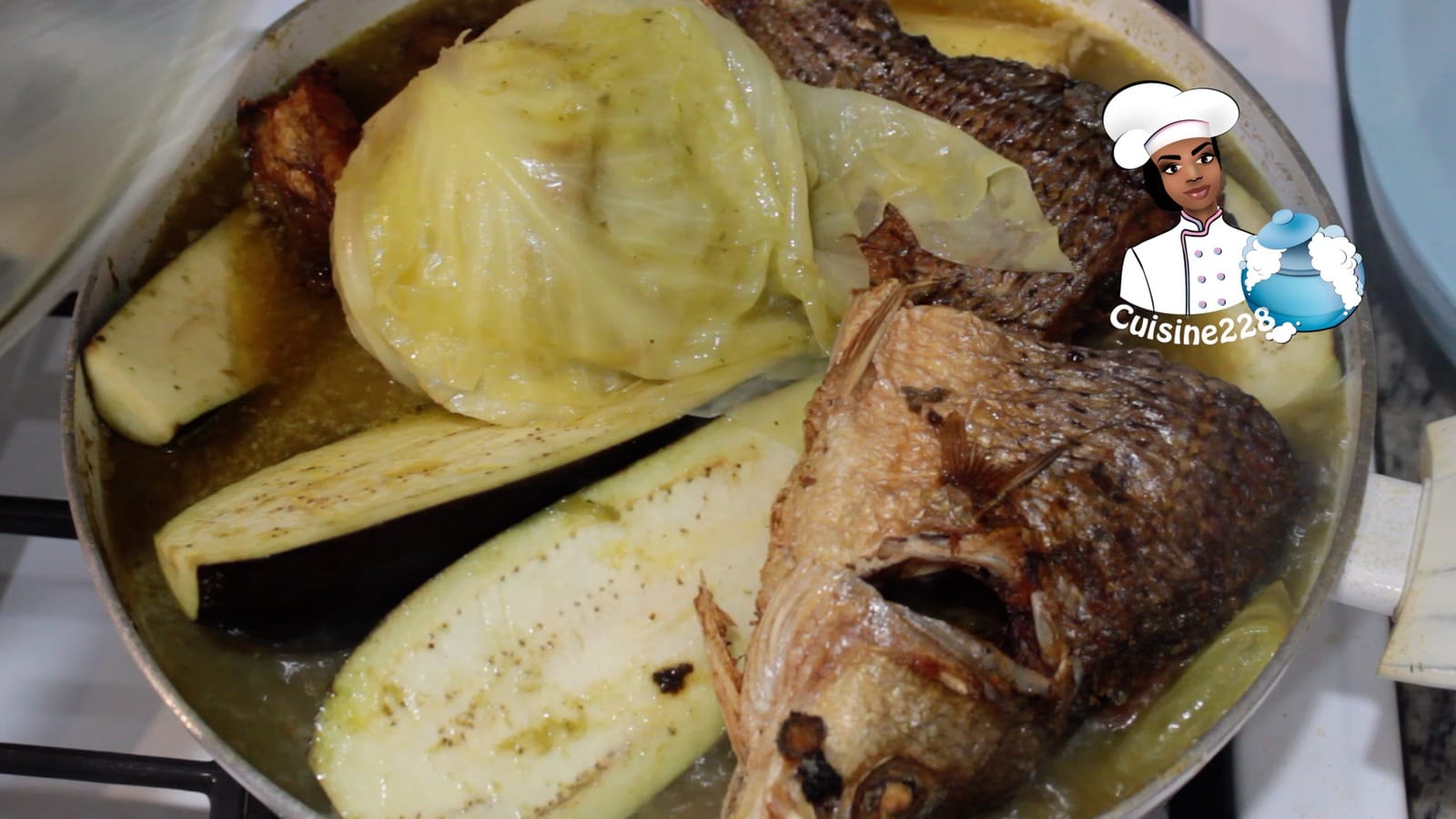
Put the stuffing into the fish and fry; then Fry.
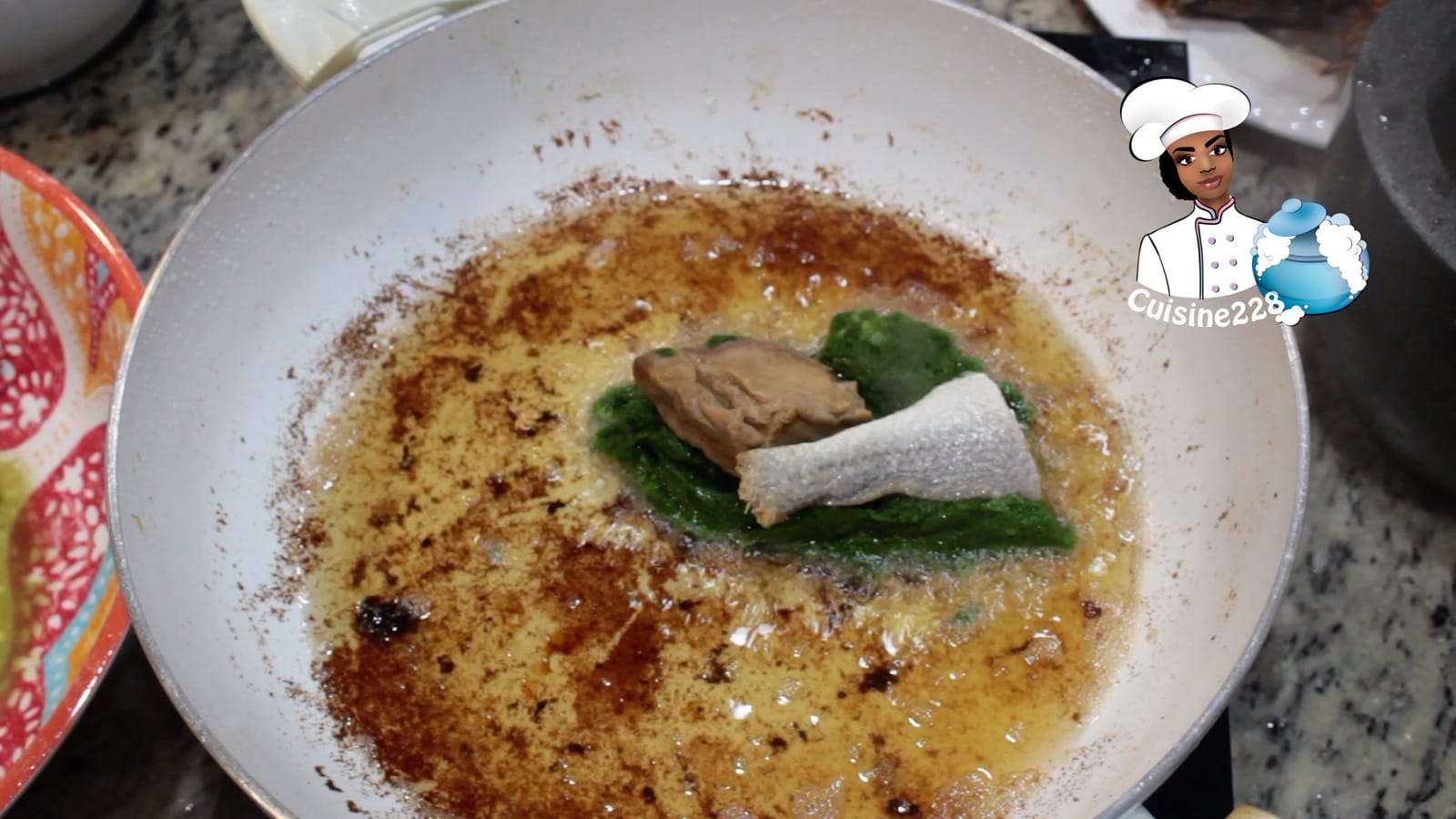
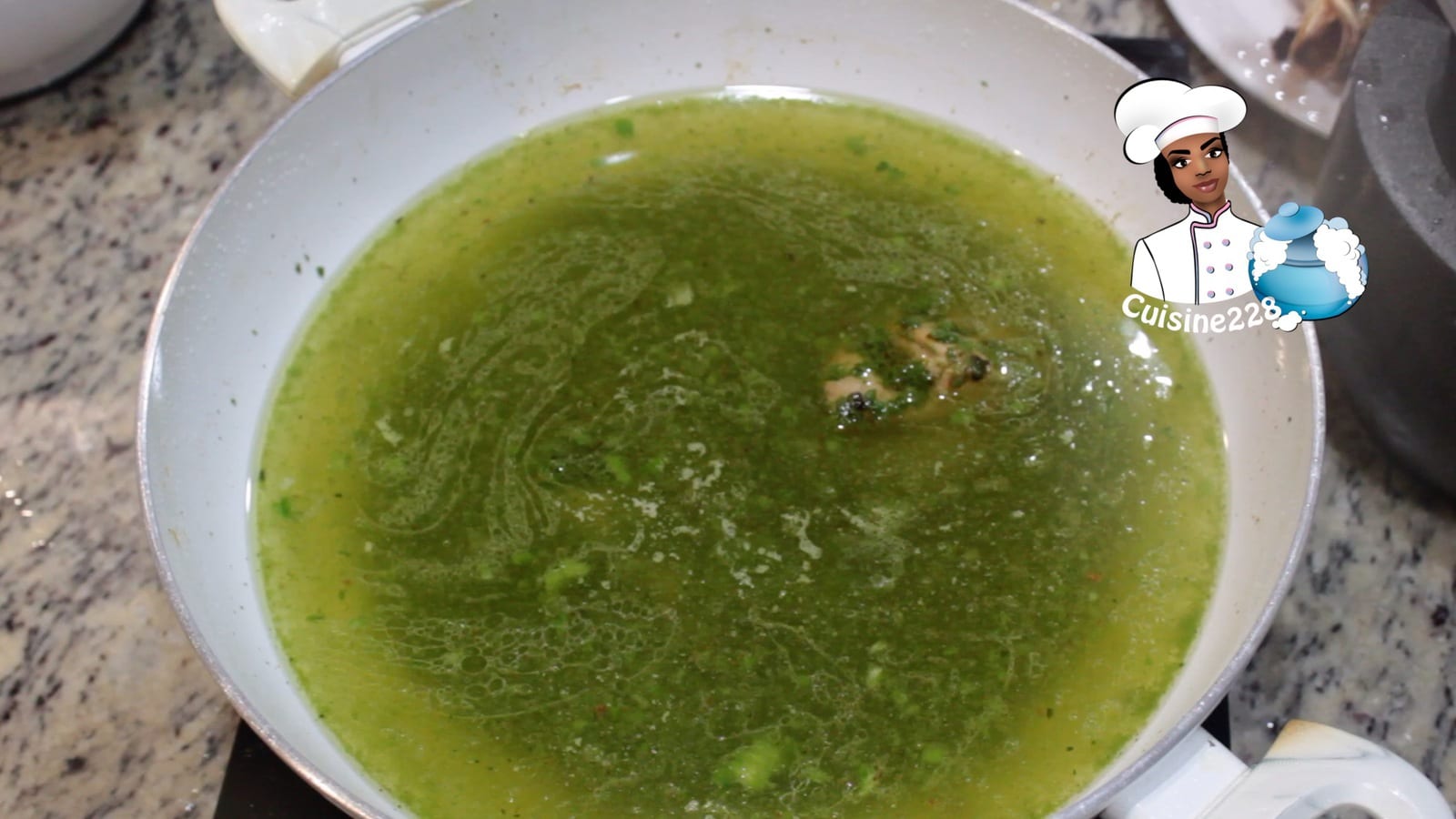
In a large pot, fry the remaining Roff , 1 piece of guedjef and yete. Leave to cook on low heat 2 min. Add the water.
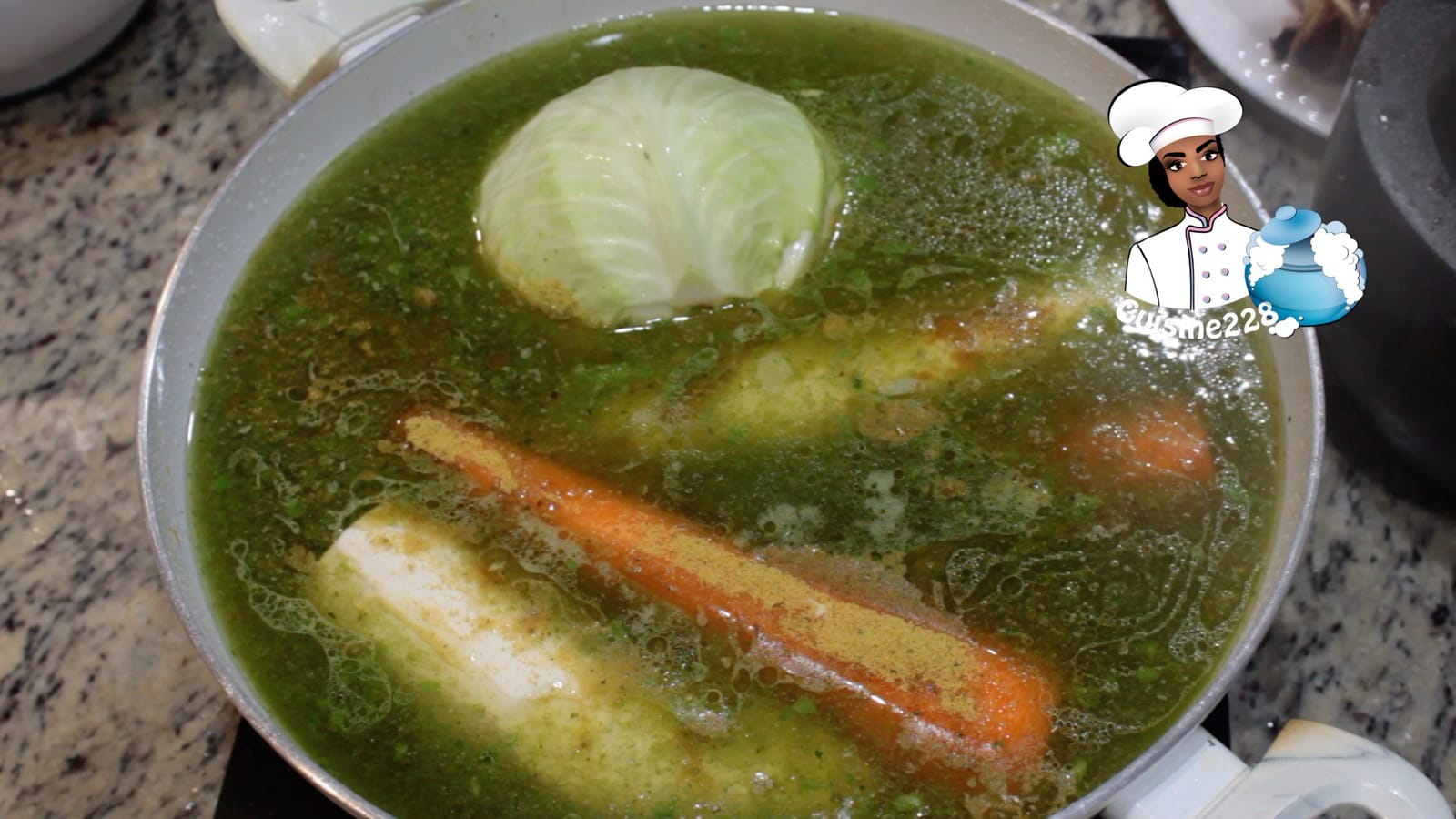
Add the vegetable, the fish to the pot and cover with water.
Add the maggi cubes, salt and chill, being careful not to burst it
Simmer for at least 45 minutes.
Meanwhile, rinse the rice and put it in a couscous pot. Preheat the rice with steam.
Remove the fish and vegetables add to the rice.
Cook the Tiep over medium heat until the rice is cooked through and sale to taste.
Stir in the cooked leaves with chilli and a little maggi and add a little sauce taken from the pot.
To serve your Tiep bou dienn:
Put the rice in a large dish and place the ingredients in the center; decorate with lemon wedges and parsley.
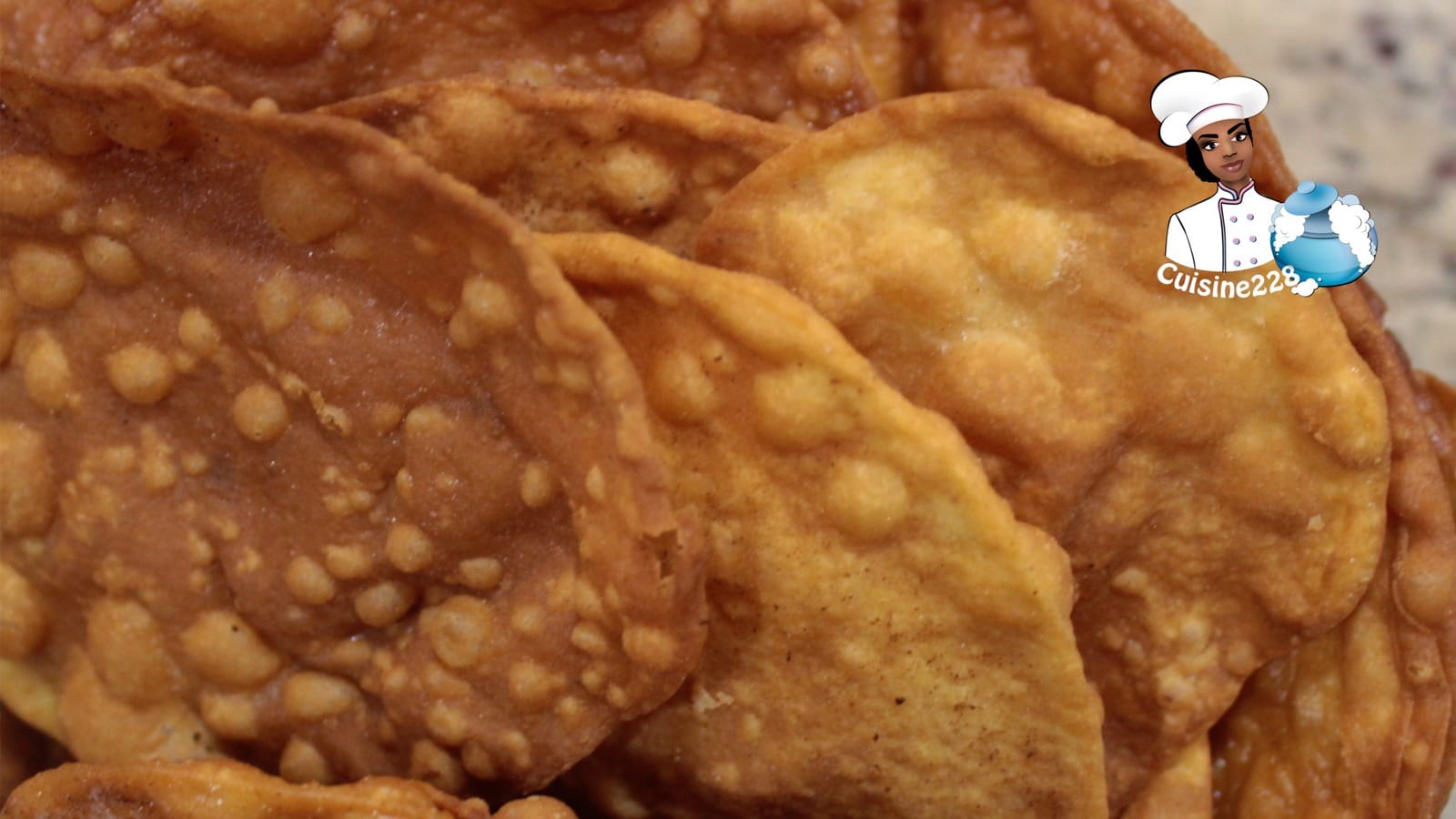
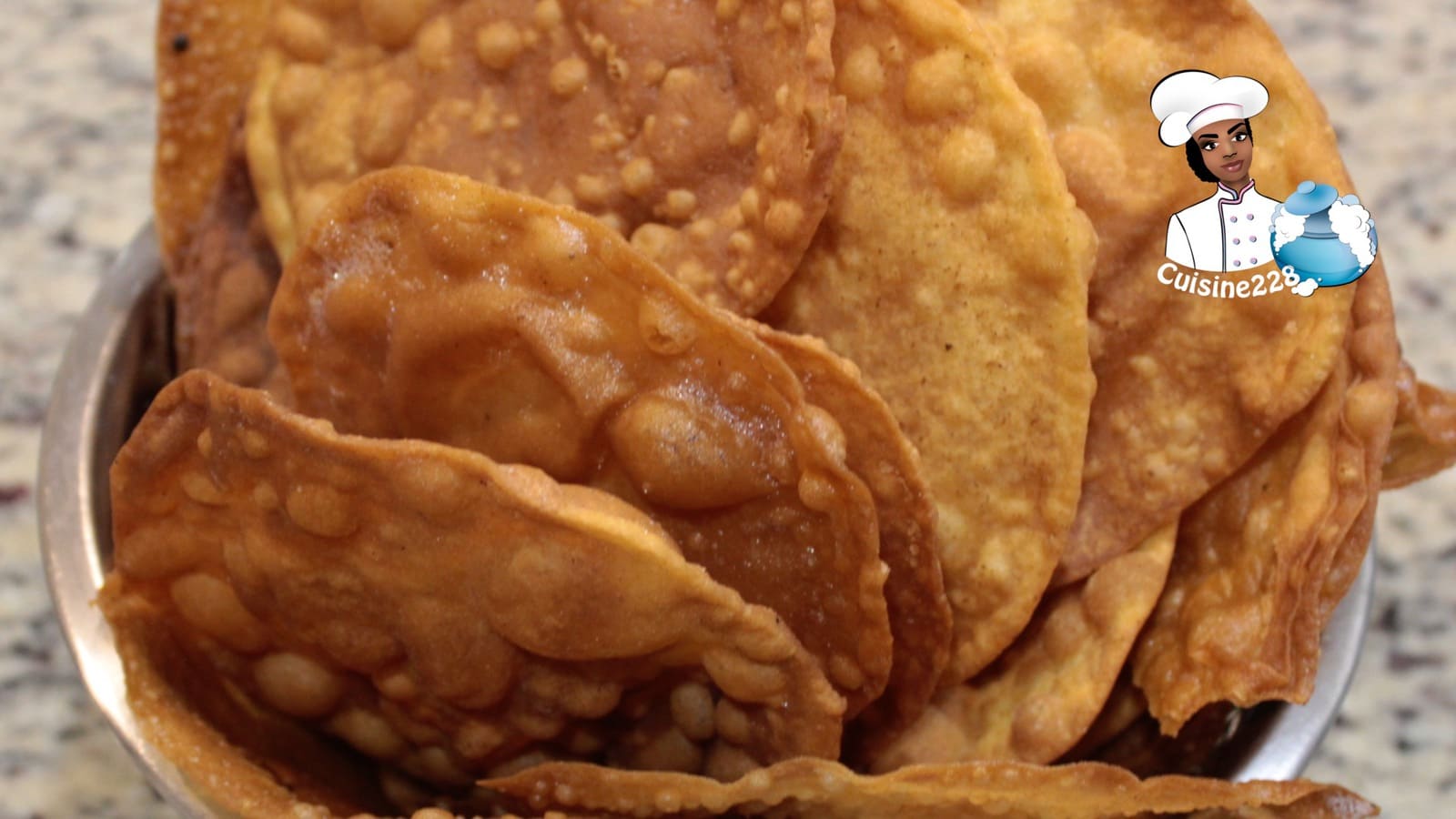 Gbanplè, Bugnes, oreillettes, merveilles, ganses