Posted on Leave a comment

Original Yogurt Thiakry

Original Yogurt Thiakry

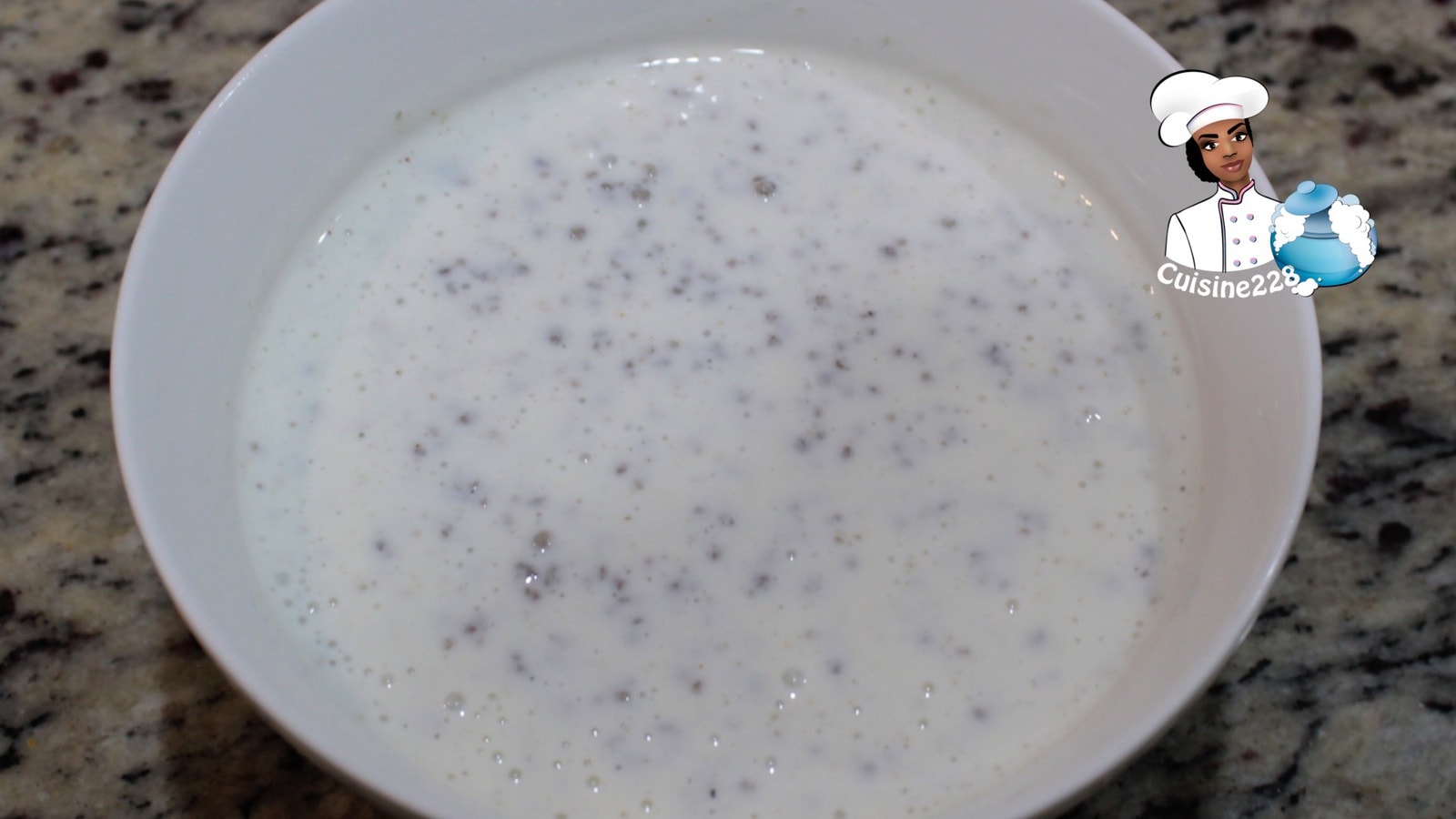
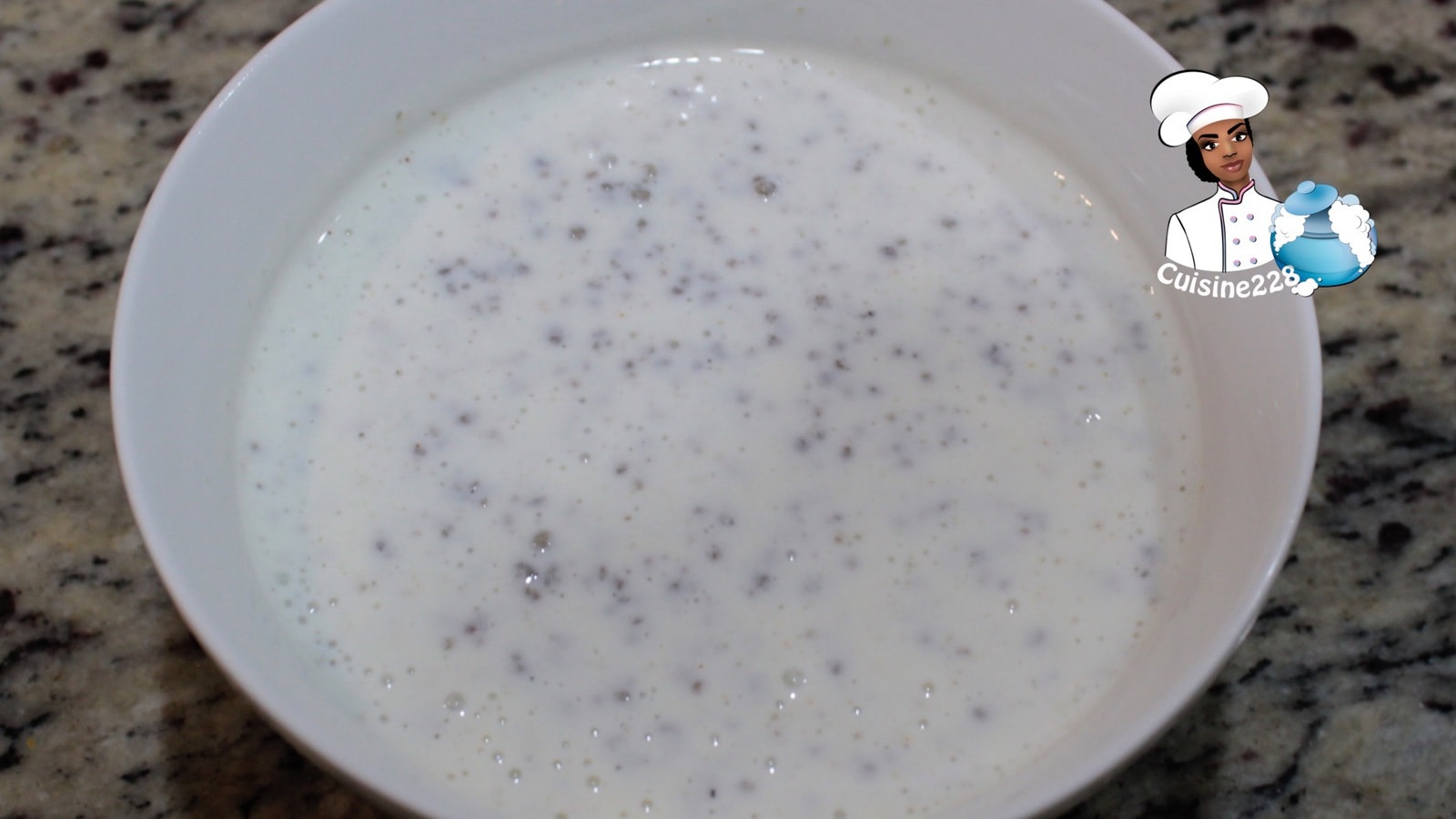
Thiakry (also called dégué, thiacry or chakery) is a West African dessert that originated from Senegal. The Thiakry consist of millet semolina of the size of couscous. The millet is tasteless therefore, it soak up the taste of the yogurt. My Yogurt Thiakry is made with homemade yogurt, milk, sugar, sour cream and or heavy cream. I also added nutmeg or vanilla extra for aroma.

Unlike my husband, I prefer the “Thiakry Couscous” to the “Yogurt Thiakry”. What make the “Yogurt Thiakry” different from the “Milk Thiakry” is the difference in milk to yogurt to milk ratio. The Thiakry is sold on the street in West Africa and in some supermarket. You should also try my “Rum Thiakry

The Thiakry can be cook in a saucepan on the stove but I take a shortcut and I add enough boiling water to cover the millet semolina, cover and let the millet absorb the water for about 20 mins and heat in the microwave for 3 mins. The cooked Thiakry should be fluffy and moist.

The Yogurt Thiakry should be served cold.

5 cup of milk

1 cup plain yogurt

1 cup of powder milk

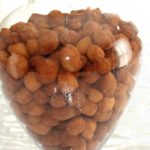
2 cup dèguè (Thiakry)

1/2 cup commercial plain yogurt

1 tablespoon vanilla extract 

1 teaspoon nutmeg 

Warm the milk to right below boiling, about 200°F. Stir the milk gently as it heats to make sure the milk doesn’t boil over.

Cool the milk. Let the milk cool until it is just warm to the touch, 112°F to 115°F

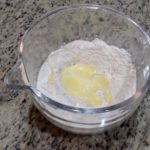
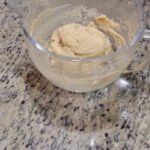
Add the yogurt and powder milk and whisking gently. Place in warm water overnight

Cook the millet with steam or microwave

When it is well cooked, put in a calabash, crush, because the small grains form a single ball, work until the small balls are detached from each other.

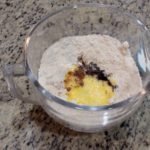
Add nutmeg, sugar and vanilla extract

Pour into bowls, put in the fridge. Serve as Cold
Posted on Leave a comment

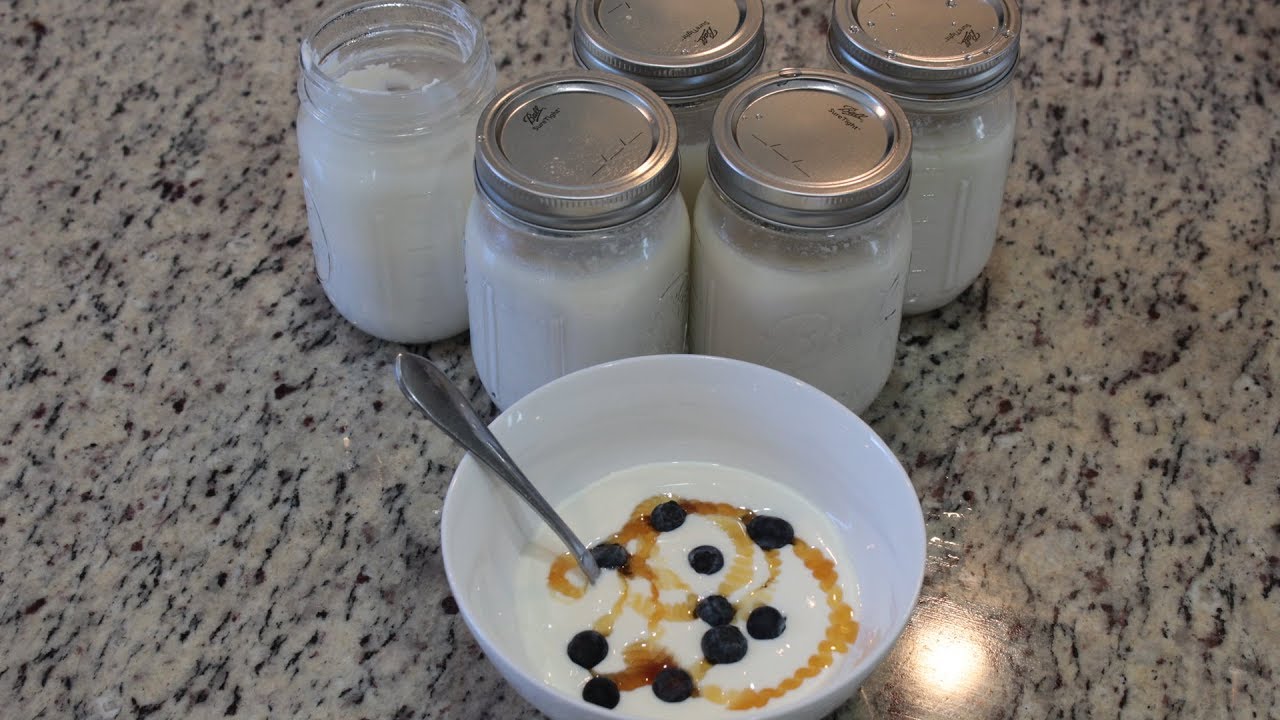
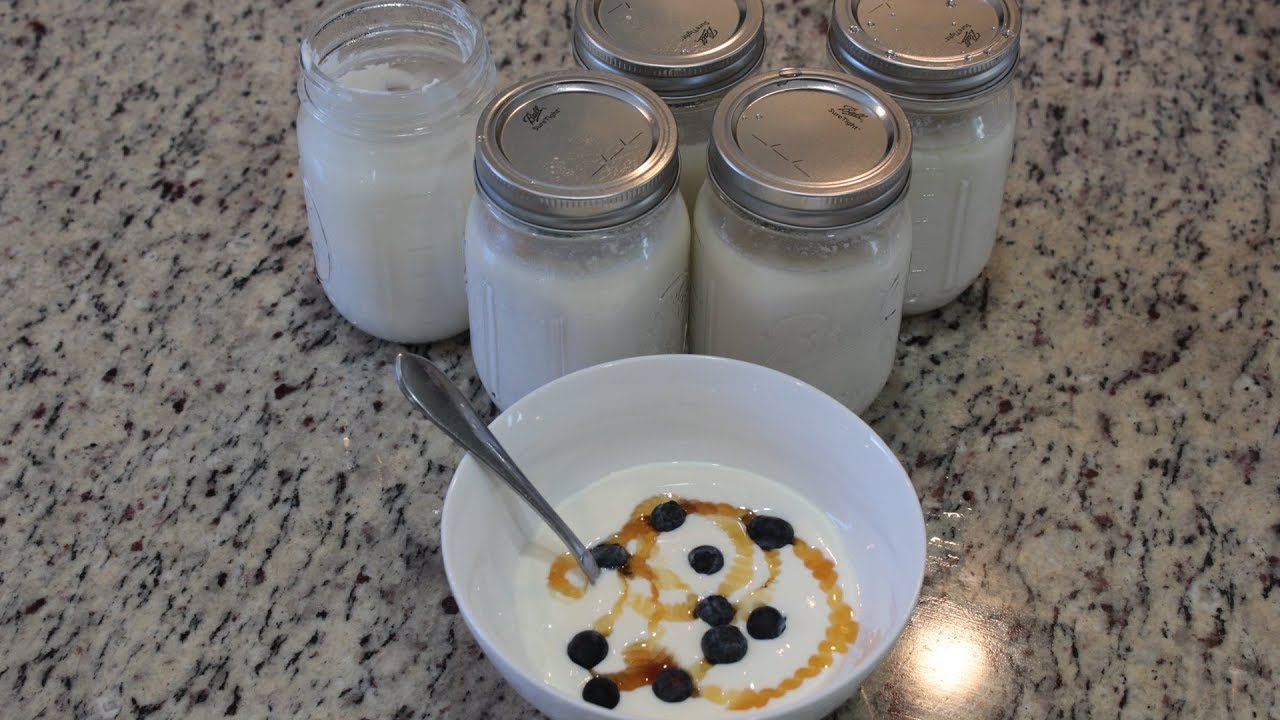
How to Make Thick & Creamy Yogurt without yogurt maker

How to Make Thick & Creamy Yogurt


1/2 gallon milk — whole or 2% are best, but skim can also be used
Warm the milk to right below boiling, about 200°F. Stir the milk gently as it heats to make sure the bottom doesn’t scorch and the milk doesn’t boil over.
Cool the milk. Let the milk cool until it is just warm to the touch, 112°F to 115°F
Add 1/2 cup commercial yogurt containing active cultures and 1 cup of powder milk
Then whisking gently
Transfer the to storage containers
Place in warm water overnight

Serve with some sugar (or honey) and some fruits
You can also use to make this beautiful “Blueberry Lemon Yogurt Cake”

Posted on Leave a comment

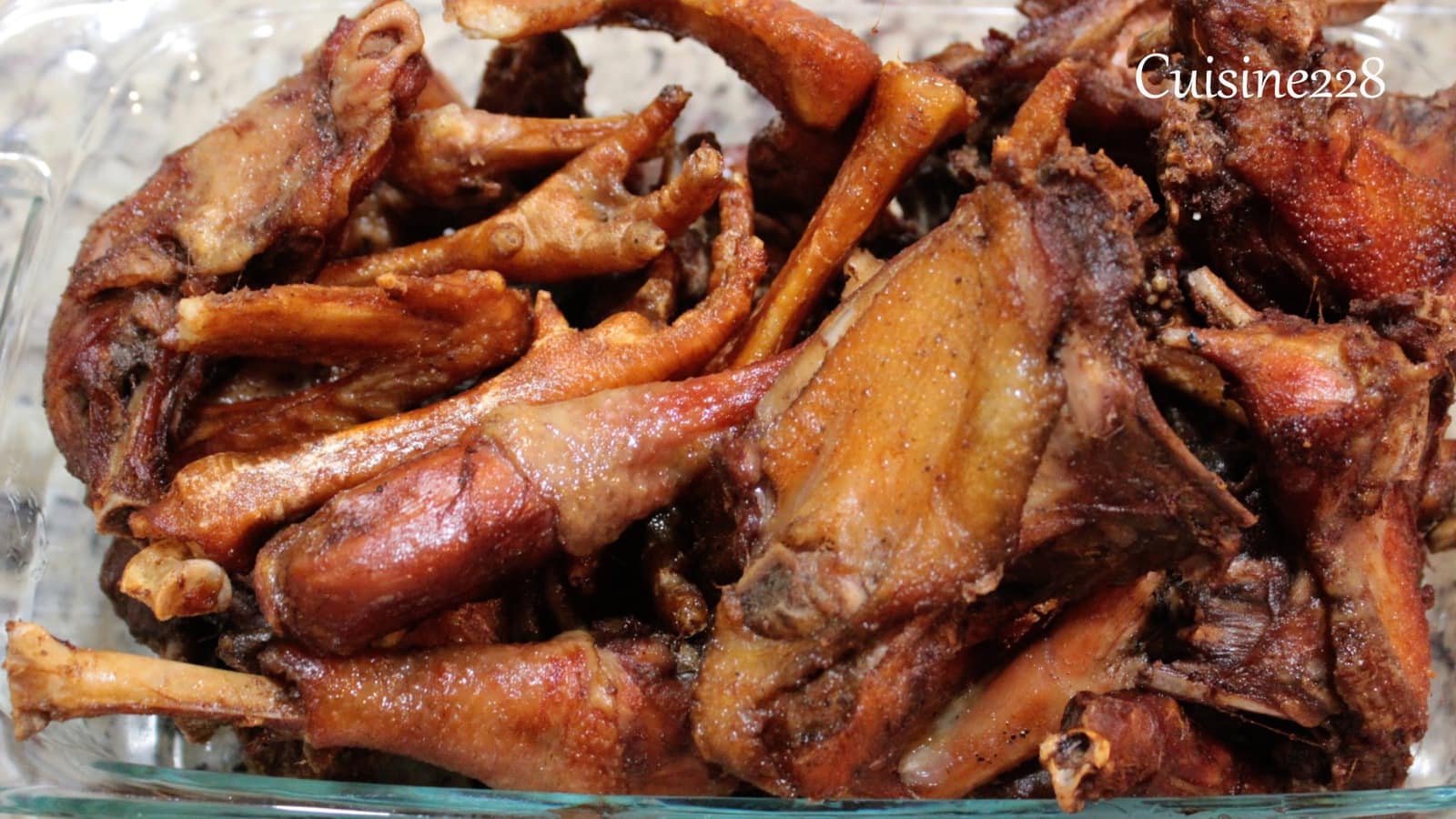
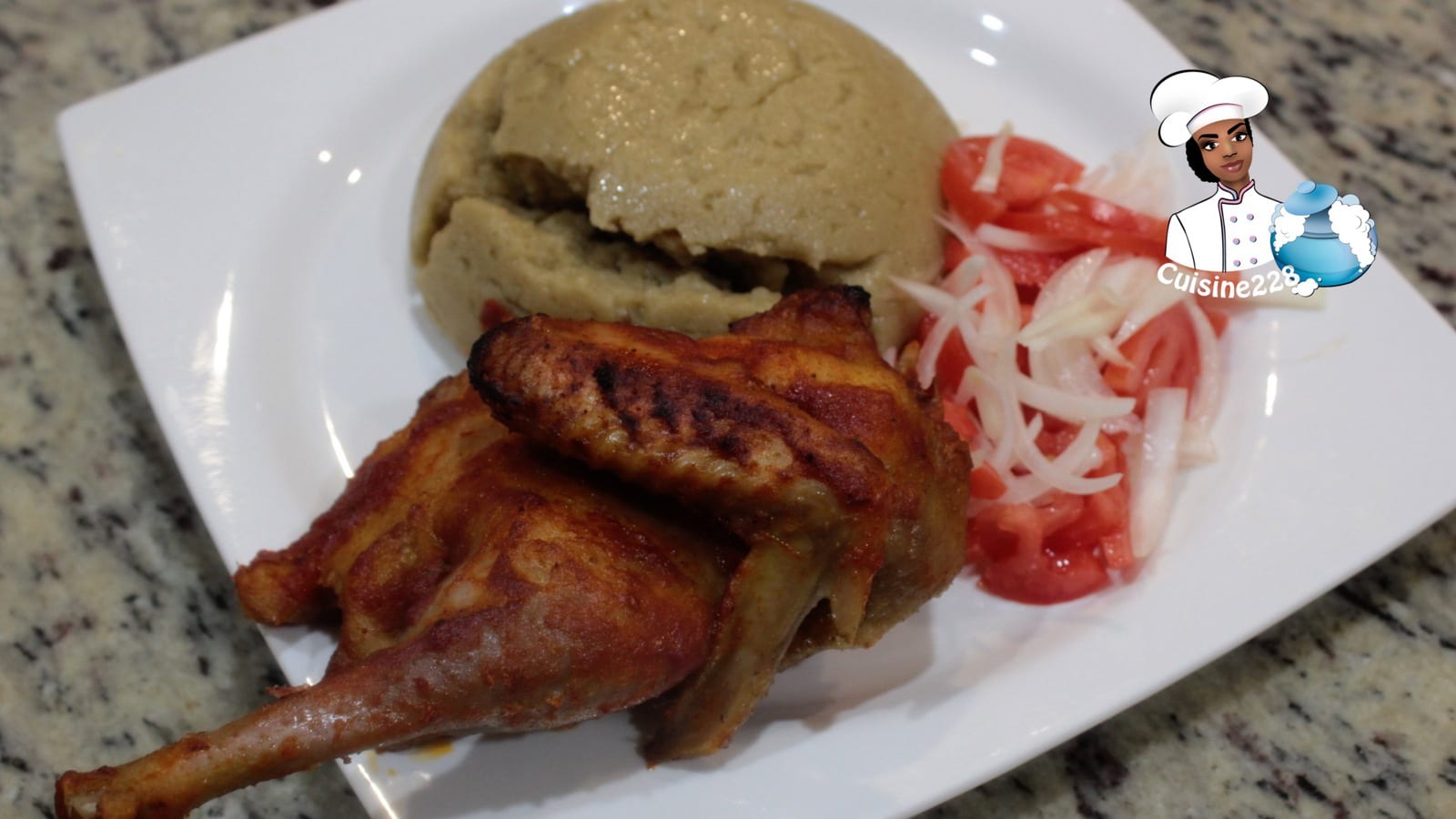
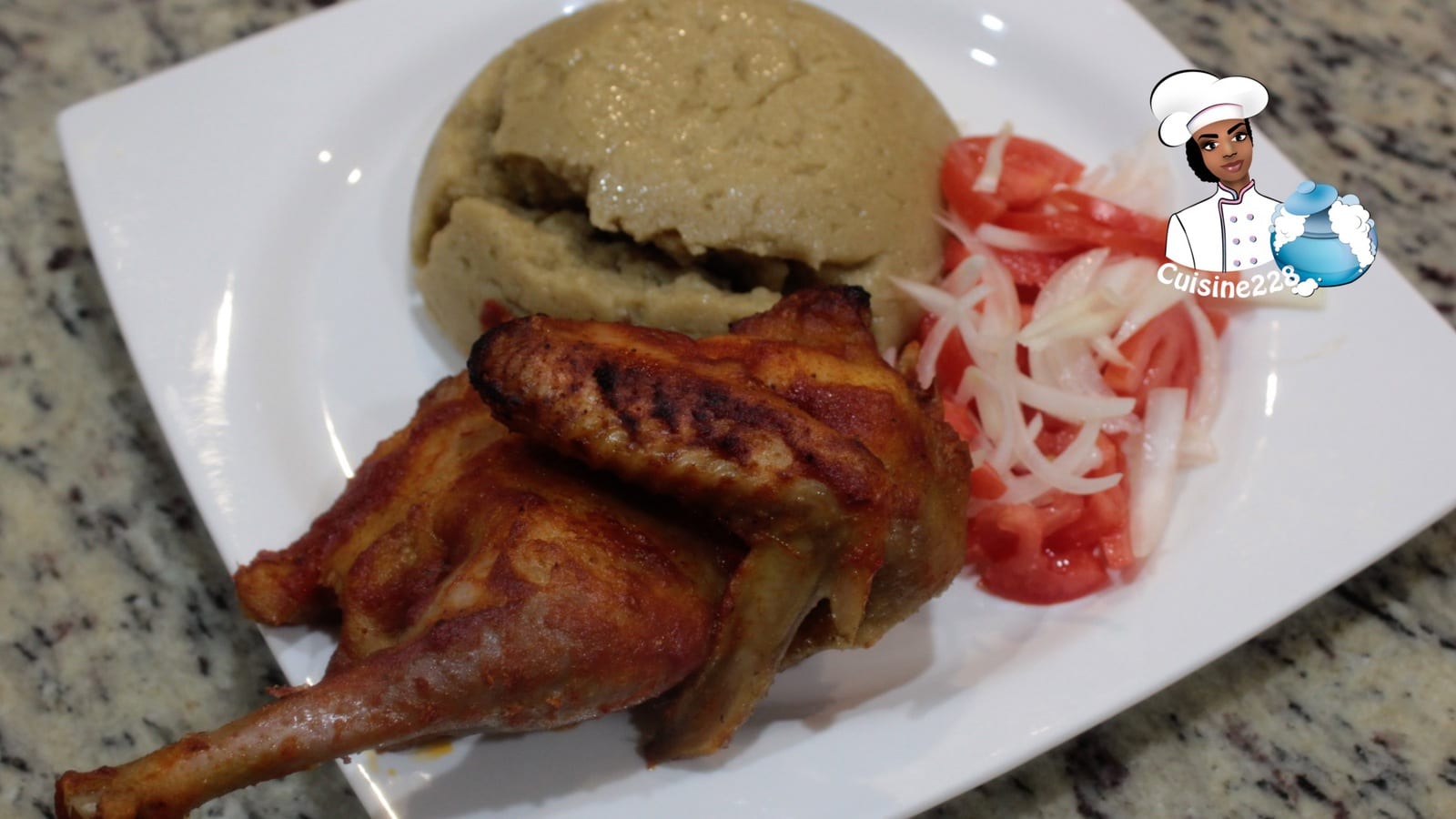
African Fried chicken


African Fried chicken

If your mother in law is in the same zip code, follow this recipe to the T! this is very close to the traditional recipe.usually a motor is use to grind the spices but, you can pay me to do manual labor!!! A blender work just fine.Back to the recipe, if you want your mother in law to love and respect you don’t skip a step. This fry chicken can accompany Jollof rice , tomato sauce, Ablo or in soups. You can blend the spices, keep it in the fridge and use it on other meats (goat, beef and chicken)

  • 2 chicken
  • 1 onion (1/2 sliced)
  • 1 tablespoon ginger
  • 2 ~5 cloves
  • 2 ~5 whole all spice
  • 2 tablespoon garlic
  • 1 cube
  • 1 Bay leave
  • Salt to taste
  1. Grind the spices with the least amount of water as possible.
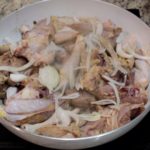
  2. In a pot, mix the chicken, cube and the blended spices, broil to a boil.
  3. After 10 min add the sliced onion, cook for another 5 mins
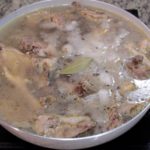
  4. Add water to cover the chicken, salt and the bay leave
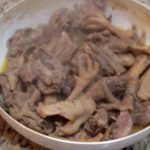
  5. Cook until the chicken is tender
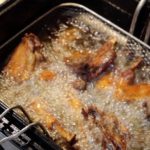
  6. Fry in batches until golden

Posted on 1 Comment

Chin Chin recipe

Chin Chin

Chin Chin

These African croquettes are also known as “Atchomon” or “Achonmon” in Togo and Benin; “Chin Chin” in Nigeria, Ghana or “cakes” in other African countries. They are very easy to make and very appreciated during an aperitif with friends! Chin Chin is similar to the Scandinavian klenat snack, a crispy dough of cooked or fried donuts made from wheat flour and other traditional bakery items.

  • 3 cups 450g all purpose Flour
  • 2/3 cup 150g of butter (or margarine)
  • ¾ cup 150g of granulated sugar
  • ½ cup of milk
  • 2 eggs
  • 1 teaspoon of vanilla extract
  • 1 teaspoon nutmeg
  • 1/2 teaspoon baking powder
  • ¼ teaspoon Salt
  • vegetable oil
  1. Measure and mix dry ingredients in a bowl and set aside.
  2. Measure and mix the wet ingredients together except the butter.
  3. Add the butter to the dry ingredients and mix with your fingers until everything is combined.
  4. Pour in other moist ingredients and mix until dough is obtained. It should form a perfect dough, but if it feels a bit stiff, add a tablespoon of water or milk. If you feel too sticky, add a tablespoon or 2 more flour. Do not overwork the dough.
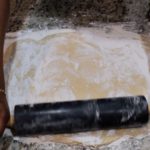
  5. Let stand on the counter for about 5 minutes. Unpack the dough and lay the dough about a quarter of an inch thick because the dough will increase when you fry them.
  6. Using a knife or pizza cutter or even a dough divider, cut the dough horizontally and vertically, forming small squares.
  7. Put the small squares in a bowl and sprinkle some flour on them and shake to prevent them from sticking.
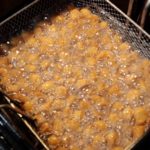
  8. Heat the oil. Fry until the light is golden brown. Remove with a spoon to drain and spread on a tray lined with paper towel to cool. Chin Chin will be soft to warm but will harden as it cools.

Posted on Leave a comment

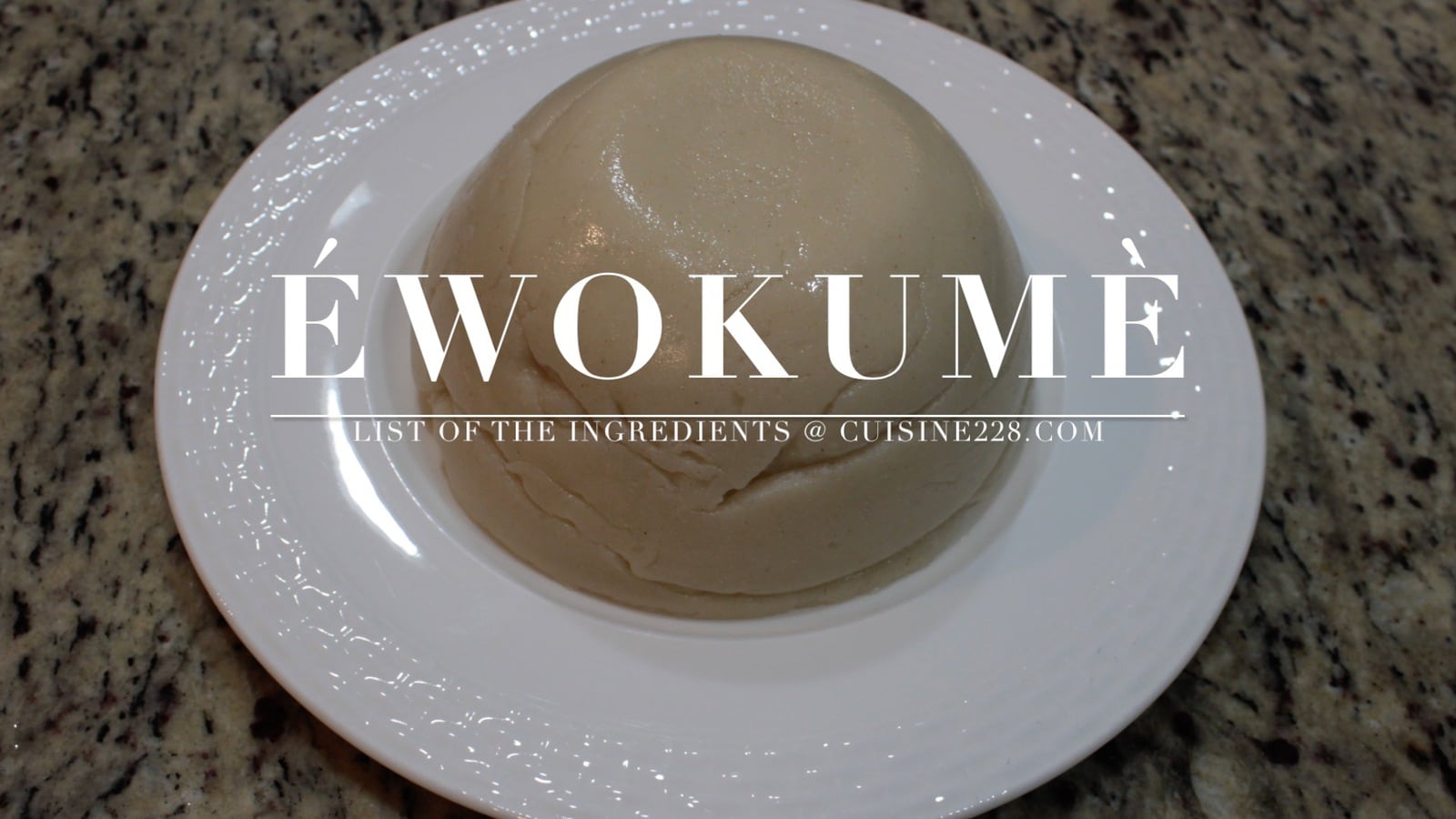
Éwokoumè (Éwokumè)


Éwokoumè (Éwokumè – Akplè)

  • 2 ~3 cup corn flour
  • 1 cup agbélima (grind cassava)
  1. Mix 1 cup corn flour and 2 cup water, set aside
  2. Mix 1 cup agbélima and 1 cup water, set aside
  3. In a saucepan, pour 3 cups of water, bring to a boil and add the corn and water mixture.
  4. When the mixture starts to boil reserve the 1/3.
  5. Add 1~2 cup of corn flour and mix with a wooden spoon. Stir vigorously.
  6. Add the reserved liquid as needed.
  7. Try your best to clean your work area clean.
  8. Add the agbélima and Stir vigorously for 2-3 minutes. Cover the pot and cook over medium heat for 5 minutes.
  9. To know that the dough is cooked, rinse your finger and touch the dough. If it does not stick to your finger, it is ready.
  10. Once the dough ready, it’s time to shape. To do this, take a ball of dumpling and place it in an empty bowl.
  11. Serve with Adémè, Fétri, gboma…ebessessi..

Rotate the bowl a few times to obtain a uniform ball. Serve dessi gboma on top of this dumpling in the bowl or you can place the dumpling in a banana leaf and serve gboma dessi on the side.

Posted on Leave a comment

Togolese Braised chicken with Djinkoumè

Togolese Braised chicken with Djinkoumè

8 cups flour

2 chicken 

8 cloves garlic

2 tablespoons ginger

2 cloves

bay leaf

1/2 onion 

2 cubes

Salt

4 tbsp tomato paste

3 large fresh tomatoes

1 big onions

A red pepper

Clean and cut the chicken in half, marinate with the spices, cube and salted to taste. Cook for 1 hour (30 minutes on each side) – Add enough water to cover the chicken at all time.

Once chicken is cooked, remove from  the broth and set aside

Mix the tomato paste, 1 tomato and 1/2 onion , 2 tablespoons chili puree, 1 cup chicken broth and salt.

Brush the chicken with the tomato mixture.


Faites-le braiser sur le barbecue en prenant soin de retourner les morceaux de temps en temps pour ne pas les brûler.

While the chicken is cooking,  add you flour to a dry pot .

Grill it by turning regularly on a medium heat while turning with a spatula for 20 minutes, then reserve.

When the flour takes a “café au lait” color, remove it from the heat and reserve it. 

-If you are roasting too much flour, it does not matter because you can keep it in an airtight container.-

Remove excess oil

Mix 1 cup of water and 1 cup of the roast the corn flour and set aside.

A soon as the water start boiling add the corn and water mixture. Add the salt.

When the liquid start to boil reserve the third. 

Add 2 cups of the roast the corn flour and mix thoroughly

If it is not soft enough for you add the broth on the side.

Mix and cover for a 7 min

Cut the fresh tomato, the African pepper, the fresh onion into thin cubes.

Serve the Djinkoumè with the tomato mixture and fried chicken.

Posted on Leave a comment

Introduction to Togolese cuisine

Introduction to Togolese cuisine

The Togolese culinary know-how is an art that is transmitted from mother to daughter. Every African girl has the obligation (the kitchen being part of the arsenal of seduction) to acquire this knowledge and transmit it. The kitchen fulfills a very important function of social cohesion and is distinguished by the use of multiple products.

Indeed, the preparation of meals is a special moment during which the bonds between mothers and daughters are strengthened (keeping the notion of a large African family). Unlike western cuisine that is performed standing, Togolese cuisine is seated which explains why the area of ​​the kitchen Togolese is furnished with small stools because we sit to cook.

During this privileged moment, when women meet each other (every man who dares to enter the sanctuary is thrown out unceremoniously), long talks on various topics and small tricks are exchanged on how to use the wide range ingredients that make up the richness of Togolese cuisine (a cuisine that according to the criteria today would have the organic label). The ingredients come from farming, breeding, fishing and hunting (not important).

Agriculture provides a large part of Togolese food security. The territory of Togo is 25% cultivated. The rural sector still supports about 80% of the population. The crops are very diverse: vegetables (corn, tomato, eggplant, pepper, pepper, tomato, green beans, carrots, okra, ademe), fruits (lemon, orange, grapefruit, olive, avocado, banana, kiwi, mango, avocado, pomegranate, date, cashew, coconut, nutmeg, papaya, tangerine, tamarind, saponier, carambola, cocoa, soursop, pineapple, cherimoya, date or apple cinnamon), cereals (millet, sorghum, rice and fonio, maize) are grown without chemicals … In Togo we use wood (and charcoal) as fuel, the cause of a high rate of deforestation.

These products are accompanied and supplemented by a protein intake from livestock (cattle, sheep, goats, poultry). Beef, mutton, goat, goat, hind, agouti rabbit are also part of the Togolese diet without forgetting poultry (chicken, guinea fowl, turkey, duck).

The food is healthy because we cook with natural products; Livestock and Poultry are fed with products of nature. The Togolese fauna consists of about forty animal species that we do not necessarily consume: elephants, antelopes, warthogs, monkeys, lions, buffaloes, horses, giant Pythons, crocodiles, caimans , varieties of birds, and many other kinds of reptiles.

We also consume saltwater and freshwater fish because the southern facade of Togo is open on the Gulf of Benin (Atlantic Ocean) in addition to many lakes, the largest of which is Lake Togo; To the north-west of the Ouatchi plateau is the basin of the mono and north of the mountains Togo, Oti. Fishing is a very old activity in Togo. Commonly eaten fish are doevi (fry), panpan (harangue), afohome (sole) tsiyi and akpala (horse mackerel) tan (skate) gesu (mullet) sikasika (pageot), eka (bar), salomon (mackerel,) lizi ( pike), vetsim (sardinella), manvi (herring) … And crustaceans, molluscs are crabs, shrimp, oyster, mussel.
With all this wealth, the Togolese have developed a very rich repertoire of dishes, as well as a culinary art unique to the West African seaside countries. Each dish transports us into a world of unique flavor, as it relates to a particular memory and illustrates the cultural diversity of our beloved nation.
Posted on Leave a comment

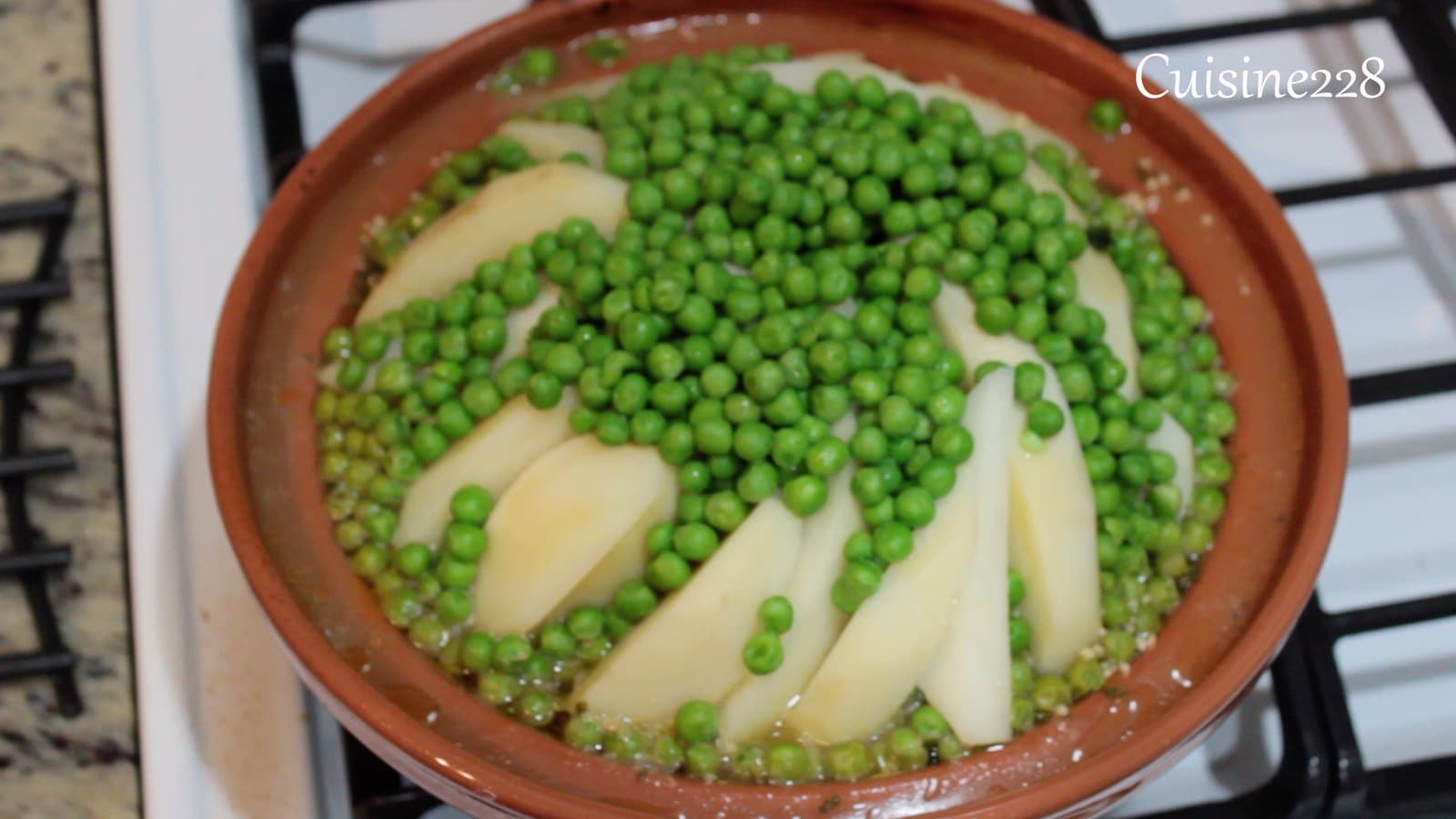
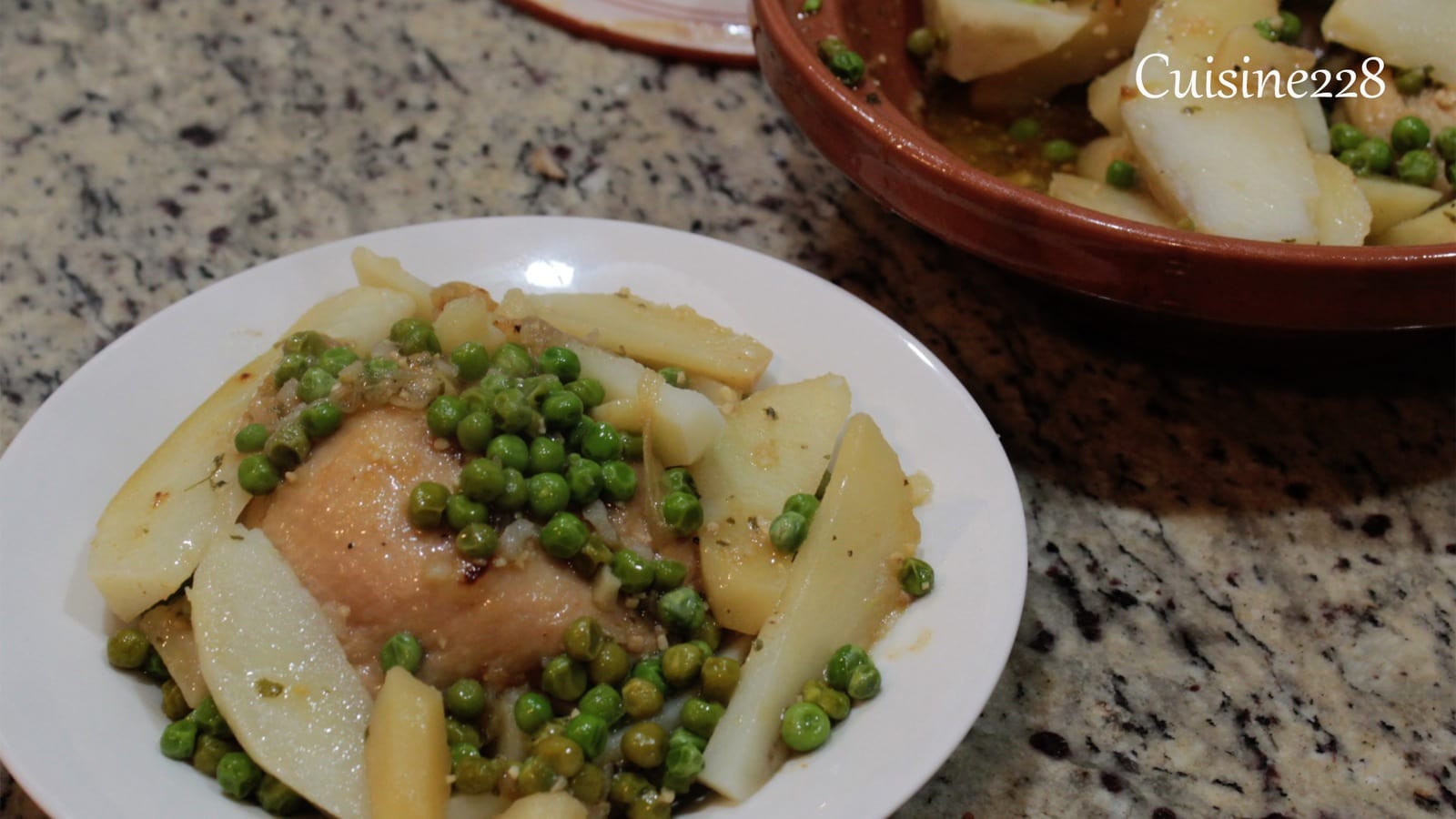
CHICKEN TAGINE WITH POTATOES AND PEAS

CHICKEN TAGINE WITH POTATOES AND PEAS

Easy tanginess recipe!

CHICKEN TAGINE WITH POTATOES AND PEAS

  • 6 chicken breasts
  • 2 onions (thinly sliced)
  • 2 garlic cloves (minced)
  • 1/4 cup extra virgin olive oil
  • 2 saffron threads
  • 1/4 teaspoon cumin
  • 1/2 teaspoon ginger
  • 1/2 teaspoon black pepper
  • 1 teaspoon paprika
  • 1/4 teaspoon salt (to taste)
  • 1/4 cup parsley (finely chopped)
  • 1/4 cup cilantro (finely chopped)
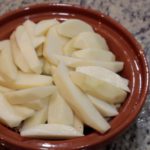
  • 4 cup potatoes (diced bite-size)
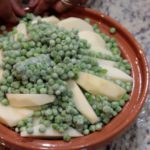
  • 2 cup green peas
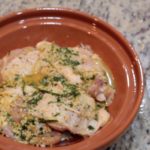
  1. In a large flameproof casserole, combine chicken, onions, garlic, oil, saffron, cumin, ginger pepper, paprika & salt, then cover with water, about 2 cups. Over medium-high heat, bring to a boil & cook, covered, for 30 minutes.
  2. Add parsley, cilantro & potatoes, then cook, covered, another 15 minutes, stirring occasionally, until potatoes are nearly done.
  3. Add peas, lower the heat & simmer for 5 minutes more.
  4. If sauce is still runny, uncover the pan & boil hard until thickened, then taste & adjust seasoning, if necessary, before transferring to a preheated serving dish ~ Serve very hot with a good bread!

Posted on Leave a comment

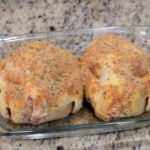
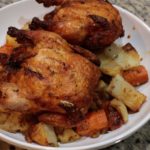
How to make Roast Chicken with Potatoes & Carrots?

ONE-PAN ROAST CHICKEN WITH CARROTS AND POTATOES

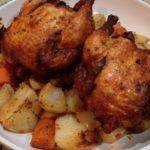
I love one pot easy recipes. For today’s recipe, I am doing a One Pot Roasted Chicken and Vegetables recipe in a glass baking dish in my oven. This type of meal is even easier than a 30 minute one pot meal, since everything goes into the baking dish and the oven just does its thing.  It takes longer to cook than a 30 minute meal, but you don’t have to do anything other than assemble the ingredients.


ONE-PAN ROAST CHICKEN WITH CARROTS AND POTATOES

  • 2 Chickens (small)
  • 1 tablespoon paprika
  • 1 tablespoon ginger
  • 1/2 teaspoon chilli
  • 3 tablespoon garlic
  • 1 teaspoon Black pepper
  • 1 teaspoon parsley
  • 1 tablespoon salt (to taste)
  • 2 tablespoon cube
  • 1 bunch carrots (scrubbed clean or peeled, cut into 2-3-inch lengths)
  • 1 pound small yukon gold potatoes (scrubbed clean and halved)
  • 1 onion
  • 3 tablespoon extra-virgin olive oil (or 1 cup mayonnaise )
  1. Preheat the oven to 425°F.
  2. Remove giblets from the chicken’s cavity. Reserve for another use (like chicken stock) or discard. Trim away excess skin and fat at the neck with kitchen shears. Remove any remaining feathers from the chicken with tweezers; pat it dry inside and out with paper towels. Using your fingertips, gently loosen the skin from the breasts and thighs and salt the meat under the skin. Generously salt the outside and the cavity of the chicken as well. Let the salt penetrate the meat at room temperature for about an hour before continuing with the recipe.
  3. Season the chicken with the paprika, ginger, chilli, garlic, Black pepper, parsley, salt and cube.
  4. Add the carrots, potatoes and onion to a large (4-quart) casserole dish. Season with salt to taste. Add the chickens.
  5. Roast for 35-40 minutes or until golden brown. Flip, and roast breast-side-up for another 30-50 minutes or so, or until the juices run clear when you cut between a leg and thigh. (If you have a small chicken, start with the shorter cook times; large birds will need longer.)

  6. Transfer the chicken to a cutting board and rest for 15 minutes before carving. If the vegetables aren’t as tender as you’d like, roast them a bit longer as the chicken rests. If they’re cooked to your liking, wait until you start carving the chicken before adding the pan back to the oven (this will ensure that the vegetables are hot, but aren’t cooked much more).
  7. Arrange the vegetables and chicken on a platter.

Posted on Leave a comment

How to make fried patties?

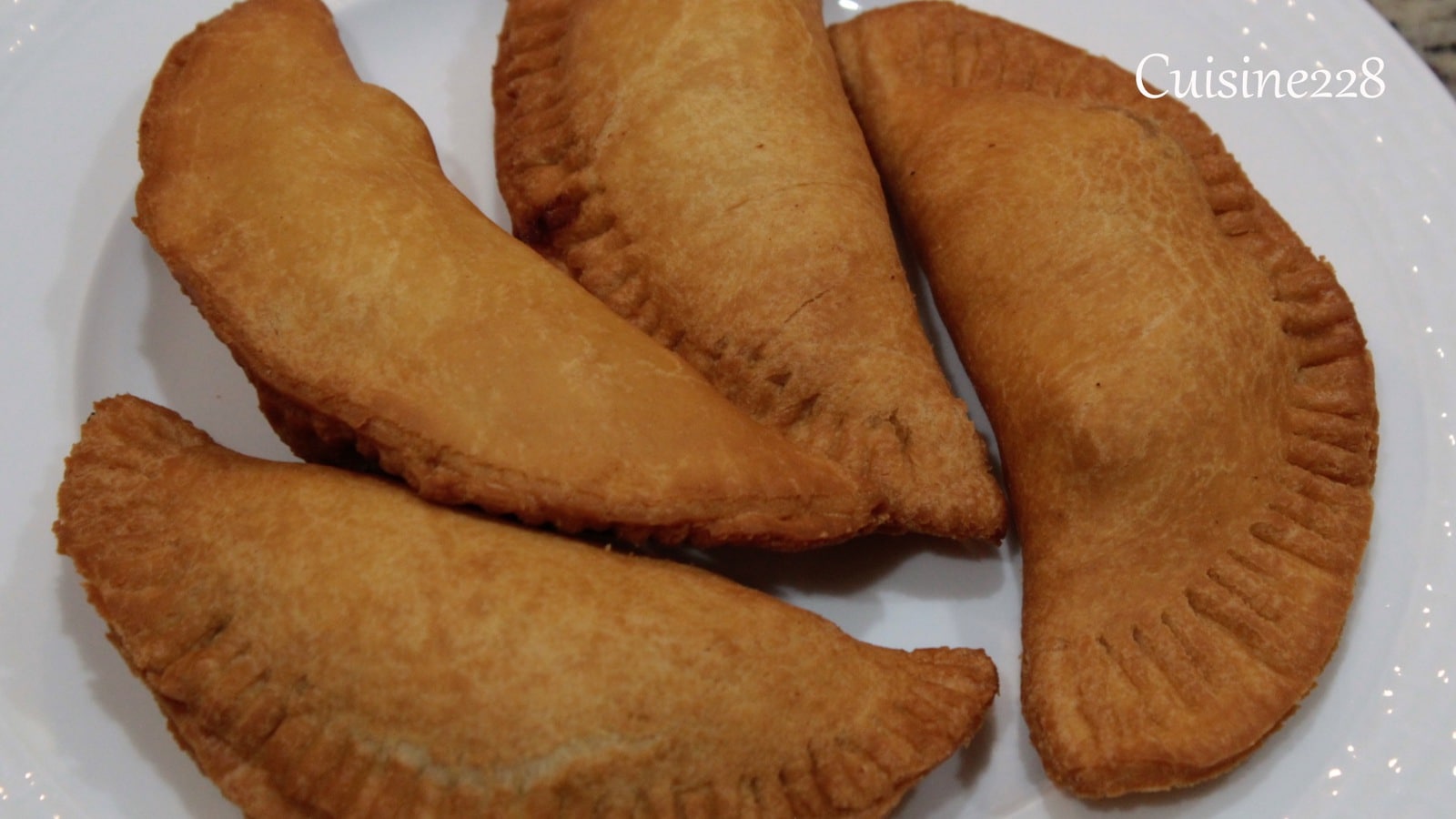
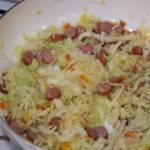
Cabbage and hot-dog fried patties  || Cabbage and hot-dog fried empanadas

This is my easy recipe for homemade empanada dough for frying. The process to make this empanada dough for frying is very similar to the empanada dough for baking. A few differences are that this dough has a little bit less butter, but adds baking powder. The empanadas are light fluffy texture when you fry them.

Fried patties

Dough

  • 4 cup all-purpose flour (, plus more for dusting)
  • 2 teaspoon baking powder
  • 2 teaspoons salt
  • 1/2 cup butter ((1 stick) melted)
  • 1 cup water (cold)

Filling

  • 4 cup cabbage (shredded)
  • 5 hotdogs (sliced)
  • 1/2 cup onion
  • 1/2 Maggie cube
  • 1/2 cup bell pepper (diced)
  • 1/2 cup carrot (diced)
  • 2 eggs (boiled)
  • hot peppers ((optional))
  • 1 Tablespoon olive oil (to sautee the hotdogs and veggies)

Make the dough

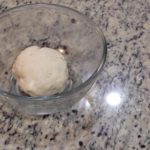
  1. In a bowl, combine flour, baking powder, and salt. Mix in cut in butter until mixture is crumbly. Add just enough cold water so dough comes together. Wrap and refrigerate for 1 hour.

Make the filling

  1. On medium heat sautée the onion. Keep turning mixture with a spatula, as if cooking hash, until onion is softened and browned, about 5 minutes. Add cabbage cut until tender and add the hotdogs, and stir well to incorporate. (Add a little more fat to pan if mixture seems dry.) Add bell pepper and carrot. Season with cube, salt and pepper and let mixture fry for 2 more minutes. Turn heat to simmer, stirring well to incorporate everything.

Time to make your patties

  1. Divide chilled dough into 1-ounce pieces and form into 2-inch diameter balls. Roll each piece into a 4 1/2-inch circle. Lay circles on a baking sheet lightly dusted with flour.
  2. Put about 2 tablespoons filling in the center of each roundand some hard-cooked egg to each. Moisten outer edge of each round with water. Wrap dough around filling to form empanada, pressing edges together. Fold edge back and finish by pinching little pleats or crimping with a fork
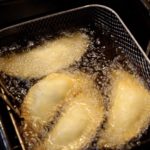
  3. Heat oil in a deep-fryer to 365 degrees F (180 degrees C). Place 3 or 4 pies into the fryer at a time. Cook for about 5 minutes, turning once to brown on both sides. Draion paper towels, and serve hot.